Tirzepatide Common Side Effects: What You Should Know?

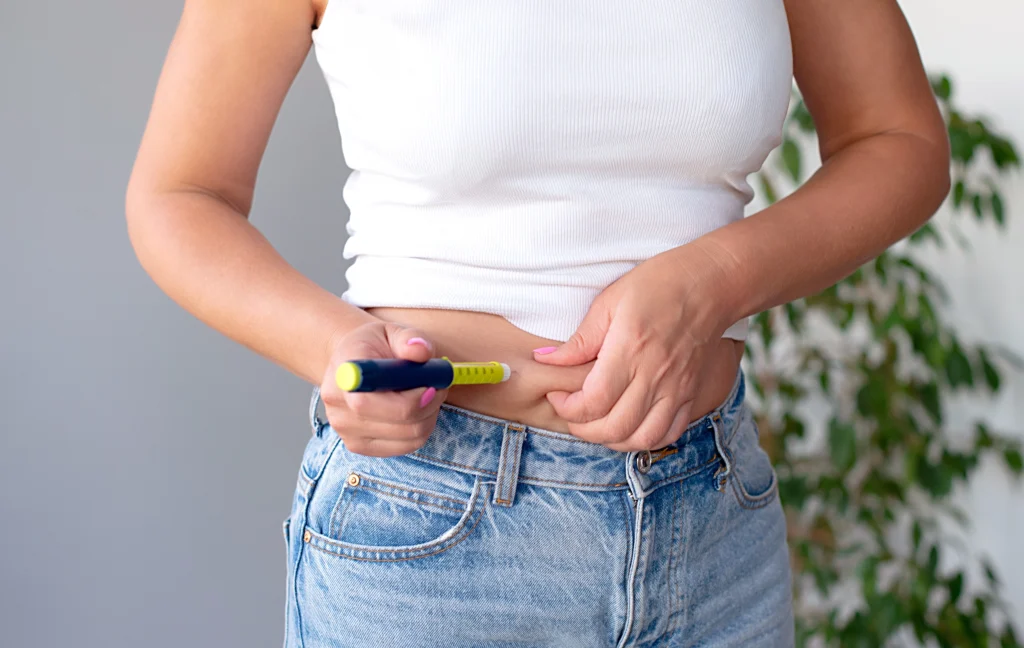
Table of contents
1.
2.
5.
6.
7.
8.
9.
Tirzepatide is a medication that has gained attention for its effectiveness in managing type 2 diabetes and supporting weight loss. While many people tolerate this medication well, understanding its potential side effects is crucial for anyone considering or currently using this treatment. Most people experience gastrointestinal symptoms like nausea, diarrhea, and decreased appetite, especially when first starting the medication or increasing the dose. These effects typically decrease over time as your body adjusts. However, there are also less common but more serious side effects to watch for, including pancreatitis, thyroid tumors, and complications related to gallbladder disease.
This comprehensive guide will help you understand what to expect when taking tirzepatide, how to manage common side effects, and when to contact your healthcare provider about concerning symptoms.
Understanding How Tirzepatide Works
Tirzepatide belongs to a newer class of medications that mimics two naturally occurring hormones in your body: GLP-1 (glucagon-like peptide-1) and GIP (glucose-dependent insulinotropic polypeptide). By activating receptors for both of these hormones, tirzepatide helps regulate blood sugar levels and reduce appetite, which explains why it helps people lose weight while managing diabetes.
The medication is administered as a once-weekly injection, typically starting at a low dose that gradually increases over time. This gradual titration helps minimize side effects while allowing your body to adjust to the medication’s effects.
Common Gastrointestinal Side Effects of GLP-1 and GIP
The most frequently reported side effects of tirzepatide affect the digestive system. These symptoms occur because the medication slows gastric emptying, meaning food stays in your stomach longer than usual.
- Nausea is the most common complaint, affecting up to 20-30% of people taking tirzepatide. This sensation is usually most pronounced shortly after starting the medication or after dose increases. Eating smaller, more frequent meals and avoiding fatty or spicy foods can help manage this symptom.
- Diarrhea and constipation are also common, with some people experiencing one or both at different times. Staying well-hydrated and maintaining a balanced diet with adequate fiber can help regulate digestive function.
- Decreased appetite is actually considered both a side effect and a therapeutic effect, as it contributes to the medication’s ability to help people lose weight. While this can be beneficial, it’s crucial to ensure you’re still getting adequate nutrition.
- Vomiting and abdominal pain occur less frequently but can be more distressing. If vomiting becomes severe or persistent, contact your healthcare provider, as this could indicate a more serious problem.
Will a Missed Dose Make It Harder to Lose Weight
Life gets busy, and occasionally you might miss a dose of your medication. If you miss a dose of tirzepatide, the appropriate action depends on timing. If you remember within 4 days of your scheduled dose, take it as soon as possible. Then resume your regular weekly schedule.
However, if more than four days have passed since your missed dose, skip it entirely and take your next dose on your regularly scheduled day. Don’t double up on doses to make up for the one you missed, as this could increase your risk of side effects.
To avoid missing doses, set reminders on your phone, mark your calendar, or use a medication tracking app. Some people find it helpful to associate their injection with a specific day and activity, like “Sunday mornings before breakfast.”
Serious Side Effects Requiring Medical Attention
While less common, some side effects of tirzepatide require immediate medical attention.
Pancreatitis and Gallbladder Disease
Severe abdominal pain that doesn’t go away and radiates to your back could indicate pancreatitis or gallbladder disease. Tirzepatide has been associated with an increased risk of both conditions. If you experience persistent, severe abdominal pain, especially if accompanied by nausea, vomiting, or fever, seek medical care immediately.
Diabetic Retinopathy Complications
For people with type 2 diabetes who already have diabetic retinopathy, rapid improvements in blood sugar control can sometimes worsen eye problems. If you notice changes in your vision, increased floaters, or eye pain while taking tirzepatide, contact your eye doctor and healthcare provider promptly.
Thyroid Concerns
In animal studies, tirzepatide increased the risk of thyroid tumors. While this hasn’t been confirmed in humans, tell your healthcare provider if you notice a lump in your neck, hoarseness, trouble swallowing, or shortness of breath.
Kidney Problems
Dehydration from vomiting and diarrhea can lead to kidney problems. Warning signs include decreased urination, swelling in your legs or feet, confusion, or feeling unusually tired.
Severe Allergic Reactions
Though rare, some people experience allergic reactions to tirzepatide. Seek emergency help if you develop hives, difficulty breathing, swelling of your face or throat, or a rapid heartbeat.
Managing Side Effects While Taking Tirzepatide
Successfully managing side effects can make your experience with tirzepatide much more comfortable and help you stay on track with your treatment plan.
- Dietary adjustments play a crucial role. Eat smaller portions more frequently throughout the day rather than three large meals. Avoid greasy, fried, or very sweet foods, which can worsen nausea. Stay hydrated by sipping water throughout the day.
- Timing matters when it comes to injections. Some people find that administering their injection before bedtime helps them sleep through the peak of nausea. Others prefer morning injections. Experiment to see what works best for you.
- Gradual dose escalation is built into tirzepatide treatment protocols for good reason. Follow your healthcare provider’s dosing schedule carefully, and don’t rush to increase your dose if you’re experiencing significant side effects at your current level.
Drug Interactions and Other Medicines
Before taking tirzepatide, inform your healthcare provider about all other medicines you’re taking, including prescription drugs, over-the-counter medications, vitamins, and supplements.
Tirzepatide can slow the absorption of oral medications because it delays gastric emptying. This is particularly important for drugs that need to be absorbed quickly or at specific times. Birth control pills may be less effective when first starting tirzepatide, so discuss additional contraceptive measures with your healthcare provider.
If you take insulin or other diabetes medications that can cause low blood sugar, your healthcare provider may need to adjust those doses when you start tirzepatide to prevent hypoglycemia.
Consulting Your Healthcare Provider
Your healthcare provider is your partner in managing both your condition and any side effects from treatment. Schedule regular follow-up appointments to monitor your progress and discuss any concerns.
Contact your healthcare provider between scheduled visits if you experience severe or persistent side effects, signs of an allergic reaction, symptoms of pancreatitis or gallbladder problems, vision changes, or if you’re unable to keep food or fluids down for more than 24 hours.
Don’t stop taking tirzepatide without consulting your healthcare provider first, even if you’re experiencing side effects. They may be able to adjust your dose, provide medications to manage symptoms, or suggest strategies to make the treatment more tolerable.
The Benefits of Weight Loss with Tirzepatide Outweigh the Risks
While this article has focused extensively on side effects, it’s important to remember that many people tolerate tirzepatide well and experience significant benefits. Clinical trials have shown impressive results for blood sugar control and for helping people lose weight, with average weight loss ranging from 15-20% of body weight.
Most side effects are mild to moderate, improve over time, and can be managed with simple strategies. By staying informed, communicating openly with your healthcare provider, and following recommended guidelines, you can maximize the benefits of tirzepatide while minimizing potential complications.
Understanding what to expect empowers you to use this medication safely and effectively as part of your overall health management plan.
Conclusion
Tirzepatide, a glucose-dependent insulinotropic polypeptide (GIP) and GLP-1 receptor agonist, represents a significant advancement in how we treat diabetes and support chronic weight management. This medication, which is injected under the skin of your stomach area, upper arm, or thigh, works through a dual mechanism to help regulate blood sugar levels and reduce appetite. While the tirzepatide side effects risk profile includes common issues like severe nausea, severe stomach pain, stomach cramps, and problems digesting food, these symptoms typically improve as your body adjusts to the medication. Starting at lower doses and gradually working up to the maintenance dose of 15 mg helps minimize discomfort.
It’s essential to follow your regular dosing schedule; if you miss a dose, skip it if more than 4 days have passed rather than doubling up. Be aware of injection-site reactions and monitor for signs that require immediate medical help, including severe stomach problems, inflammation of the pancreas, severe pain that radiates to your back, trouble breathing, severe obstructive sleep apnea complications, or serious allergic reactions.
More serious concerns, though less common, require vigilant monitoring and prompt medical attention. Watch for symptoms of acute kidney injury or kidney failure, such as unusual tiredness, decreased urination, or swelling. People with existing kidney disease should be especially cautious. Low blood sugar levels and severe hypoglycemia can occur, particularly when tirzepatide is combined with other diabetes medicines, so keep glucose tablets on hand and know the warning signs like blurred vision, abnormal behaviors, and severe weakness. The medication carries warnings about thyroid cancer risk based on animal studies, so report any neck lumps or swallowing difficulties immediately. Other serious risks include gallbladder problems and changes in blood pressure. Before starting treatment, inform your healthcare provider about all prescription medicines and over-the-counter drugs you take to avoid dangerous interactions, and discuss the potential effects on an unborn baby if you’re pregnant or planning to become pregnant.
Successfully using tirzepatide to treat moderate to severe type 2 diabetes or for weight management requires partnership between you and your medical team. While drinking alcohol should be limited as it can increase the risk of low blood sugar and stomach problems, most people can continue their normal activities with some dietary modifications. Pay attention to your body’s signals and don’t hesitate to seek medical help if you experience severe symptoms. Remember that this medication has helped thousands of people achieve better blood sugar control and significant weight loss. With proper monitoring and management, the benefits often far outweigh the risks. By understanding the full spectrum of potential side effects, from minor injection-site reactions to serious complications requiring immediate attention, you’re better equipped to use tirzepatide safely and effectively as part of your comprehensive health care plan.