Who Is a Good Candidate for Eyelid Surgery?

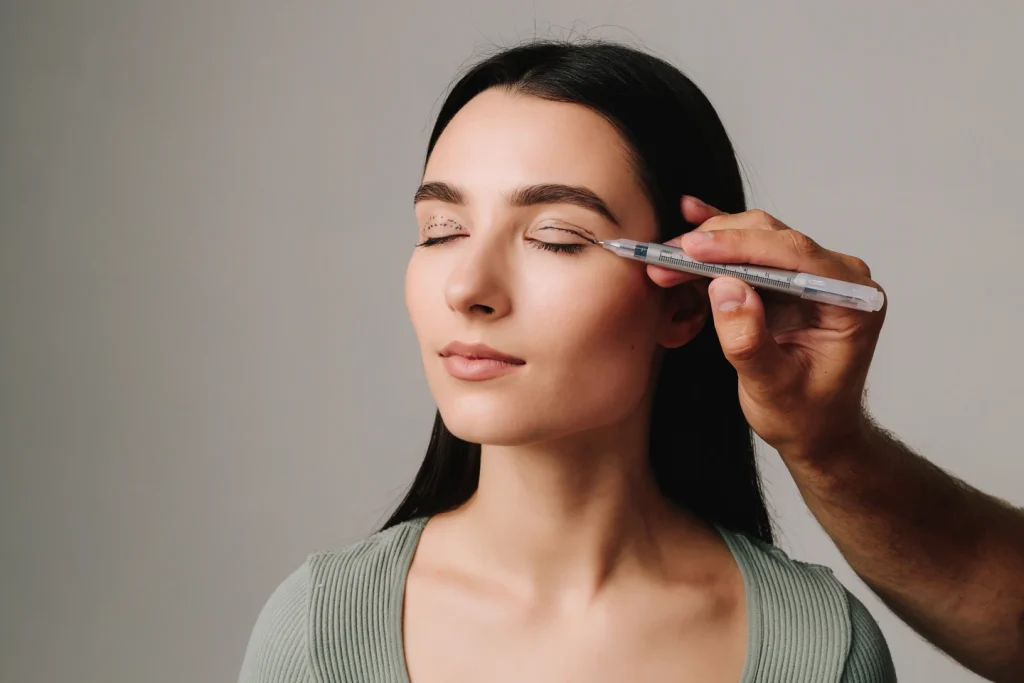
Table of contents
1.
Understanding Eyelid Surgery Procedures
2.
5.
6.
7.
8.
9.
Final Thoughts
Aging is inevitable, but the way it shows up on your face, particularly around your eyes, doesn’t have to define how you look or feel. If you’ve been staring in the mirror at drooping upper lids, puffy bags under your eyes, or a permanently tired expression that no amount of sleep seems to fix, you’ve probably wondered whether surgery could help. Most people who are good candidates for eyelid surgery are healthy adults with realistic expectations who experience drooping, sagging, or excess skin around the eyes that affects their appearance, their eyesight, or both. Candidacy isn’t one-size-fits-all, though, and understanding what surgeons look for can help you figure out whether this procedure is right for you.
Understanding How Tirzepatide Works
Eyelid surgery, medically known as blepharoplasty, is among the most commonly performed cosmetic surgeries worldwide. It involves removing or repositioning excess skin, fat, and muscle around the eyelids to create a more alert, refreshed appearance. But “eyelid surgery” is actually an umbrella term. Depending on your concerns, a surgeon might recommend operating on the upper lids, the lower lids, or both.
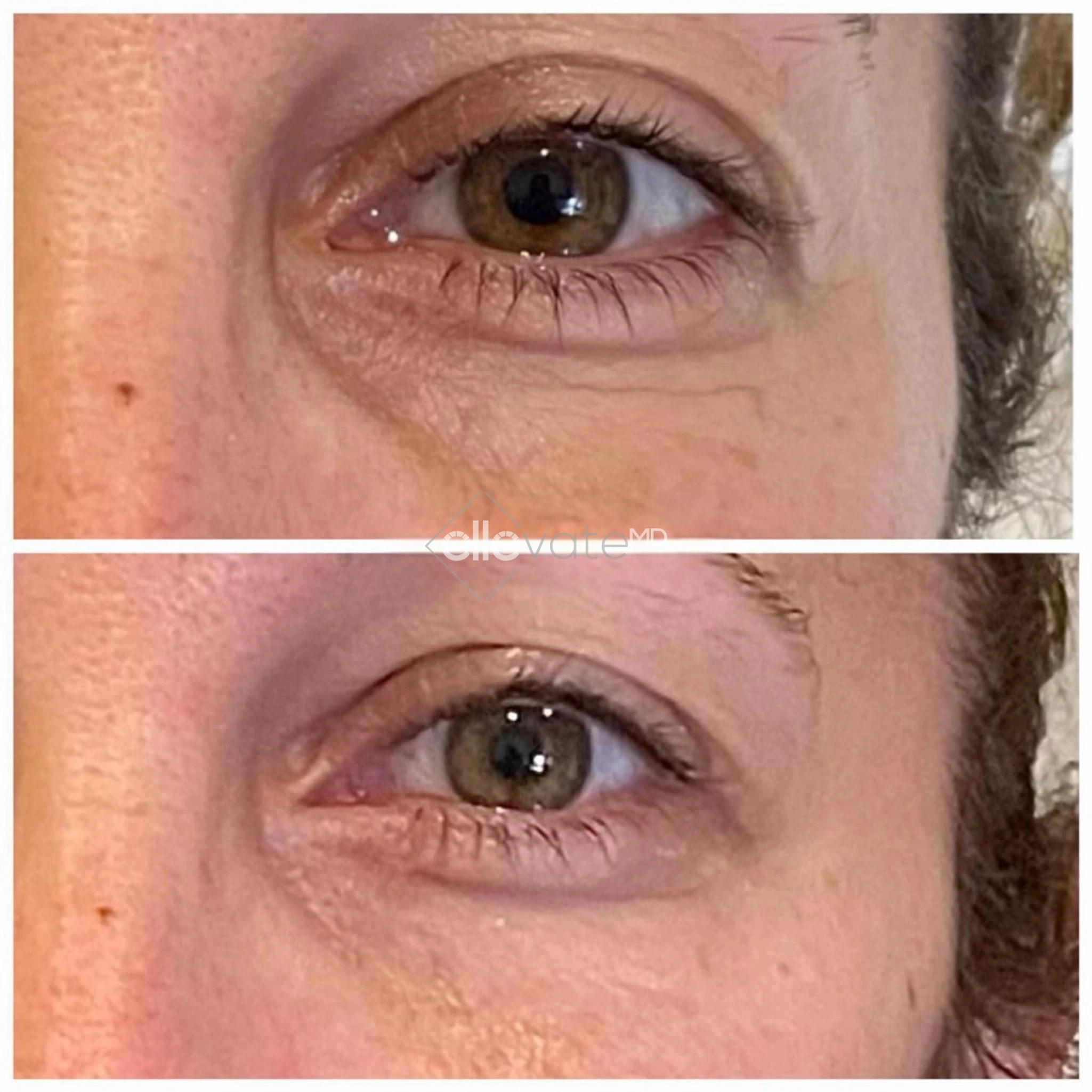
Upper eyelid surgery typically addresses hooding, the excess skin that folds over the lid crease, and can make eyes appear smaller or heavier. Lower eyelid surgery, on the other hand, tends to target puffiness and bags. In some cases, a combination approach gives the most natural-looking result.
Who Makes a Strong Candidate for Blepharoplasty Surgery?
The short answer is: someone who is bothered by their eyelid appearance, is in good general health, and has consulted with a board-certified surgeon to confirm their concerns are addressable through surgery. But there’s more nuance involved than that.
Surgeons generally look for candidates who:
Are at least in their mid-30s to 40s, when age-related eyelid changes typically become noticeable (though there’s no strict age cutoff)
Do not smoke, or are willing to quit well before and after surgery
Have no active eye infections or serious eye conditions like glaucoma or dry eye syndrome
Have realistic expectations; surgery will refresh and improve, not completely transform
Are not currently taking blood thinners or medications that could complicate healing
Have stable overall health, with no conditions like uncontrolled diabetes or hypertension that would raise surgical risk
It’s equally important to be emotionally ready. Candidates who are pursuing surgery for their own reasons, not to please a partner or meet a cultural standard, tend to report higher satisfaction with their results.
What Happens During the Blepharoplasty Procedure?
The surgery itself is typically performed under local anesthesia with sedation, though general anesthesia may be used in more complex cases. For upper eyelids, the incision is made along the natural crease so any scarring remains hidden. Excess skin and sometimes a small amount of fat or muscle are removed before the incision is closed with fine sutures.
Most patients are surprised by how manageable the recovery is. Swelling and bruising peak around days 2 or 3 and gradually subside over the following 2 weeks. Many people feel comfortable returning to work within ten to fourteen days, though strenuous activity should be avoided for several weeks.
Addressing the Lower Eyelids
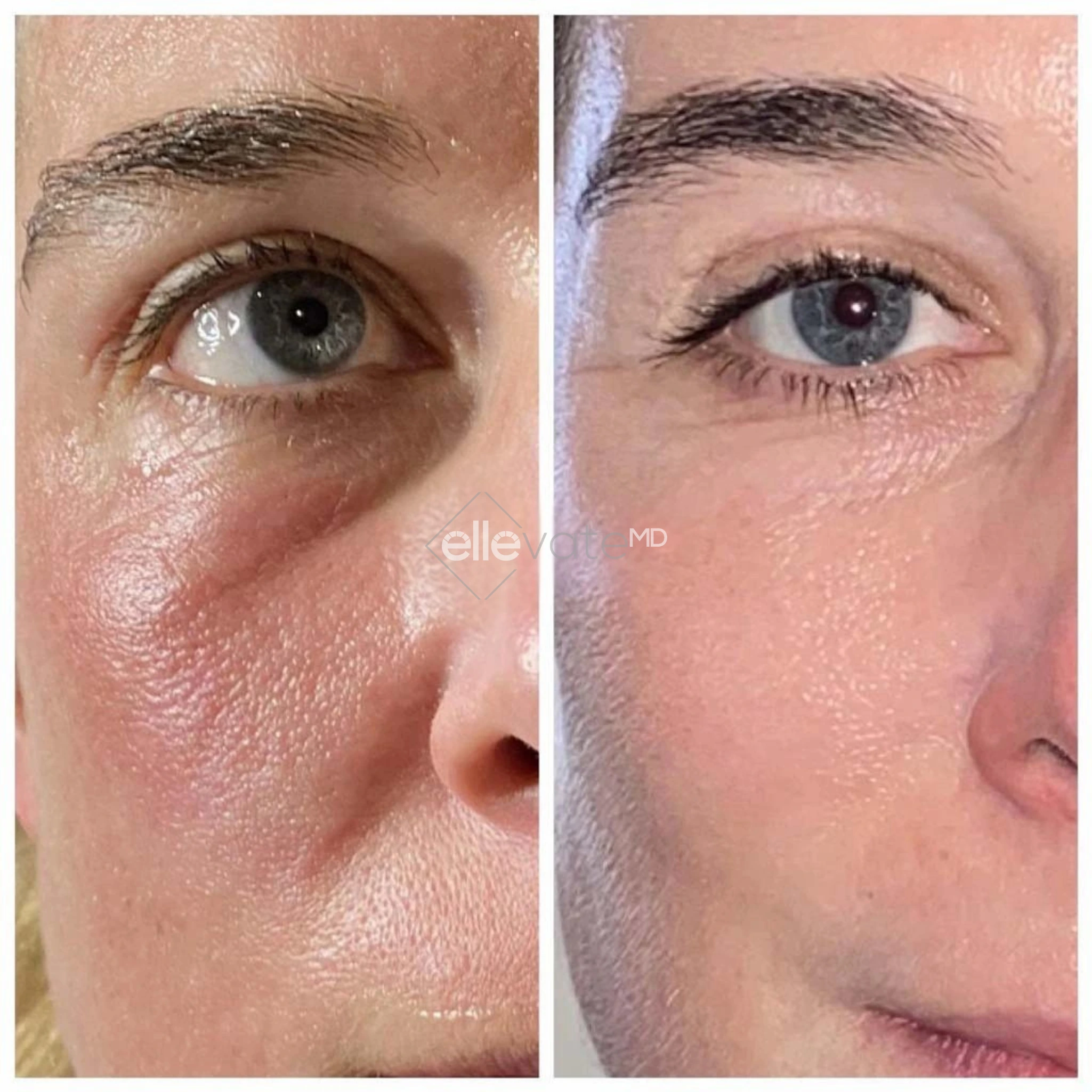
Not everyone who considers eyelid surgery has concerns about their upper lids. Bags and puffiness beneath the eyes are among the most common cosmetic complaints in adults over 40, and they can make a person look perpetually exhausted regardless of how much rest they actually get.
Surgery on the lower eyelids is technically more delicate than surgery on the upper eyelids. The two main approaches are a transcutaneous incision (made just below the lash line) and a transconjunctival incision (made inside the lower lid, leaving no visible external scar). The transconjunctival approach is often preferred for younger patients or those with minimal skin laxity whose primary issue is fat prolapse rather than excess skin.
Good candidates for lower lid surgery specifically tend to have:
Persistent under-eye bags that are not improved by sleep, hydration, or skincare
A hollowed or sunken appearance beneath the bags (a “tear trough” deformity)
Minimal skin laxity (if there’s significant loose skin, the external approach may be necessary)
Should You Consider a Brow Lift Instead?
This is a question surgeons hear often, and it’s an important one. Many people who believe their upper eyelids need surgery are actually experiencing brow ptosis – a drooping of the brow that pushes skin downward onto the lid. Operating on the eyelid alone in these cases can sometimes yield an unsatisfactory result because the underlying cause hasn’t been addressed.
A brow lift elevates the forehead and brow, which can indirectly open the eye area without touching the lids. In other cases, a combination of a brow lift and upper blepharoplasty gives the most balanced outcome. A good surgeon will always assess brow position as part of the pre-operative evaluation and be honest about which procedure – or combination – will genuinely serve you best.
When Improved Vision Is the Goal
Not everyone seeking eyelid surgery is motivated by aesthetics. For some patients, severely drooping upper eyelids can actually obstruct the upper visual field, making it difficult to read, drive, or even walk safely. This condition is called functional ptosis, and when it’s documented and confirmed through visual field testing, surgery may be medically justified rather than purely elective.
This distinction matters enormously for patients weighing their options, particularly when it comes to cost and coverage.
Will Insurance Cover the Cost?
Whether your plan will cover blepharoplasty depends almost entirely on medical necessity. Purely cosmetic procedures (surgery performed solely to improve appearance) are not covered by standard health insurance plans. However, if your surgeon can document that drooping eyelids are significantly impairing your vision, your insurer may cover the upper lid portion of the surgery.
To build this case, you’ll typically ned evisual field testing performed by an ophthalmologist, photographs documenting the obstruction, and a letter of medical necessity from your physician. Even then, approval isn’t guaranteed, and navigating the pre-authorization process can be time-consuming. It’s worth making a few phone calls to your insurance provider before your consultation so you understand where you stand.
Exploring Non-Surgical Treatments First
Surgery isn’t always the first step, and many people benefit from trying non-surgical treatments before committing to a procedure. Options such as neurotoxin injections (such as Botox), dermal fillers, radiofrequency skin tightening, and laser resurfacing can improve the appearance of the eye area to varying degrees.
These approaches work best for:
Mild to moderate hooding or puffiness
Patients who are too young for surgery or not ready to commit
People wanting to “preview” a more open-eyed look before going under the knife
That said, non-surgical treatments have their limits. They can soften and delay, but not replicate what surgery can achieve, especially for significant skin excess or pronounced fat herniation.
How Lifestyle Factors Affect Your Candidacy
Even if you check every other box, certain lifestyle factors can complicate your candidacy or recovery. Chronic sun exposure accelerates skin laxity and can affect healing. Significant alcohol consumption can impair recovery and increase bleeding risk. Poor sleep habits and high stress levels, while not disqualifying, can affect how your results look during the healing process.
Surgeons will also want to know your full medication list. Supplements like fish oil, vitamin E, and aspirin can all increase bruising and should typically be paused several weeks before surgery
Book Your Eyelid Surgery with Dr. Jayaram
Dr. Ann Jayaram is a board-certified ophthalmologist and fellowship-trained cosmetic surgeon with deep expertise in both the functional and aesthetic aspects of the eye area. Whether you’re concerned about excess eyelid skin weighing down your upper or lower eyelids, or you’re exploring facial plastic surgery for the first time, Dr. Jayaram brings a uniquely informed perspective to every case. During your personal consultation, she takes the time to review your health history, assess your facial structure, and conduct a thorough medical evaluation to determine whether you are an appropriate candidate for surgery.
From there, Dr. Jayaram develops a customized treatment plan tailored to your specific anatomy and goals. She walks you through every detail of your surgical plan – from what to expect on the day of the procedure to post-operative care, such as when to use cold compresses and how to manage swelling during recovery. Her dual background in ophthalmology and plastic surgery means she approaches each patient with both precision and artistry.
To take the first step toward a more refreshed, confident appearance, schedule your consultation with Dr. Jayaram today.
Final Thoughts
Eyelid surgery offers a meaningful solution for anyone struggling with sagging upper eyelids, drooping lower eyelids, or excess fat and drooping skin that has accumulated as part of the natural aging process. Whether the goal is to remove excess skin that impairs peripheral vision, address dark circles and puffiness beneath the eyes, or simply restore facial harmony, eyelid surgery can achieve what no cream or non-surgical treatment realistically can. For many patients, the procedure doesn’t just improve appearance – it relieves chronic eye strain and restores a level of confidence that droopy eyelids had quietly eroded over the years.
Candidacy begins with an honest conversation. A qualified oculocosmetic surgeon will review your medical history, screen for serious medical conditions, and ask about certain medications or any bleeding disorder that could affect your safety during a surgical procedure. Patients with generally good health and realistic expectations tend to see the best outcomes. Your surgeon will provide detailed instructions before and after the operation, covering everything from how to keep your head elevated during early healing to which other procedures might complement your results for a more complete rejuvenation.
The recovery process is more manageable than many people expect. Bruising and swelling around the upper and lower eyelids typically improve within about a week, and most patients feel comfortable resuming normal activities within about two weeks. Following your post-operative instructions carefully throughout the recovery period makes a significant difference in how smoothly and quickly you heal. If you’ve been living with drooping skin, impaired vision, or a tired appearance you no longer recognize as your own, taking the time to consult with the right surgeon may be the most important step you take.