How Much Does Sofwave Cost?
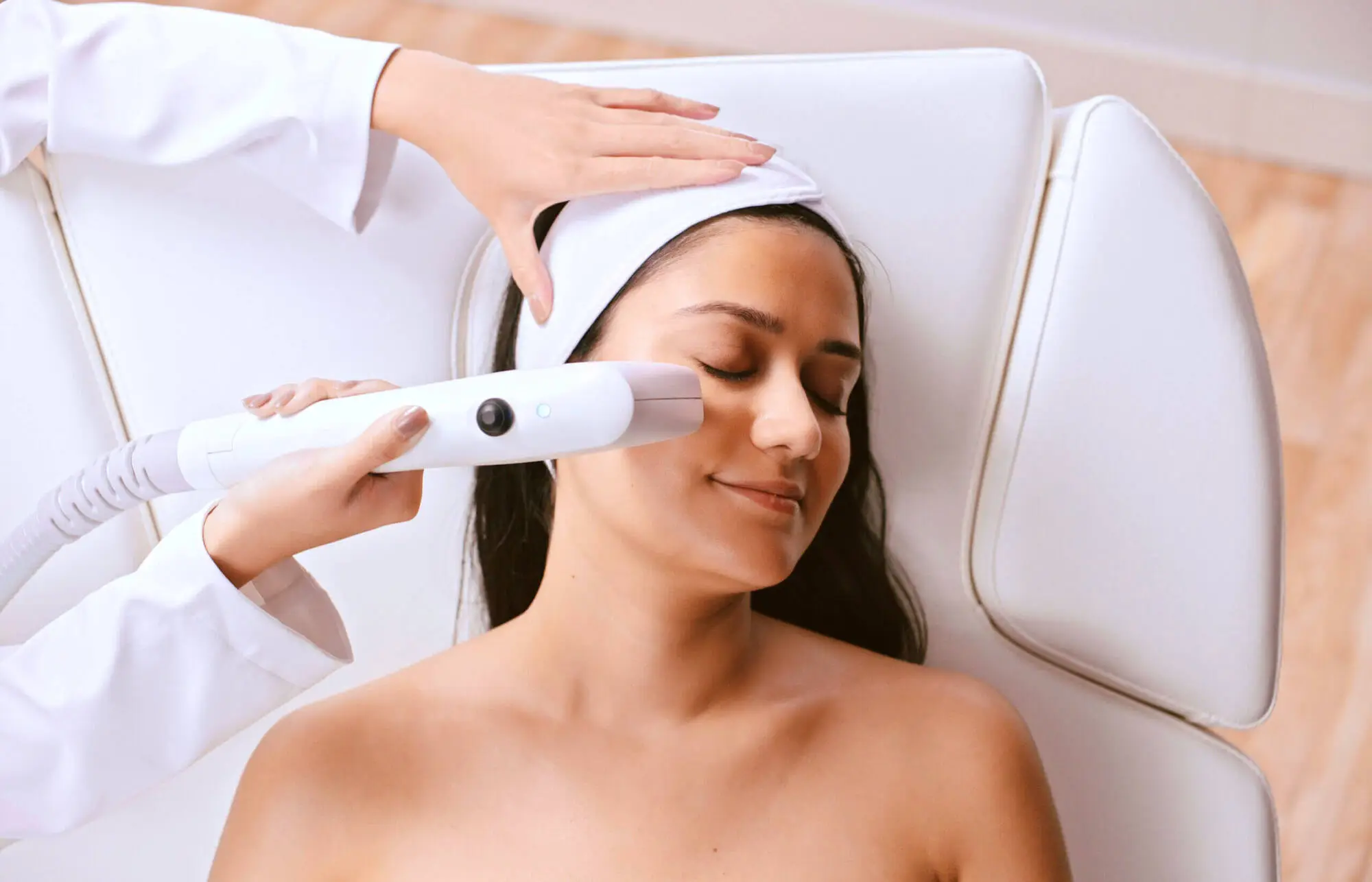
For most people, Sofwave is tolerable but not completely sensation-free. You can expect brief waves of heat and a “zing” or prickly feeling during each pulse, with discomfort that typically lasts only a few seconds. The experience varies by treatment area and individual sensitivity, but Sofwave is designed with comfort in mind, including integrated cooling to help reduce heat at the skin’s surface.
Sofwave uses ultrasound energy delivered in a series of pulses. Sensations are usually described as:
Short bursts of heat that build quickly and then fade
A brief prickly, stinging, or “electric” snap feeling during a pulse
More intensity over bony areas (like the forehead or jawline) versus fleshy areas (like parts of the cheeks)
A helpful way to think about it: the discomfort tends to be intermittent – it comes and goes with each pulse – rather than one continuous painful feeling. Many patients find that once they understand the rhythm, it becomes easier to relax through the session.
At Ellevate MD, treatment planning is typically individualized, and comfort is an important part of the experience. If you’re exploring Sofwave alongside other options offered through the Aesthetics menu, it’s worth discussing which areas you want to treat and your personal comfort threshold during a consultation.
One reason Sofwave is often considered more manageable than people expect is its built-in cooling mechanism. Cooling is designed to help protect the skin’s surface and reduce the “hot” feeling that can make energy-based treatments uncomfortable.
Here’s how cooling tends to help in real life:
Less surface heat: Many people worry they’ll feel “burning” on the skin’s surface. Cooling helps lessen that sensation.
More tolerable pulses: Even if you feel the deeper heat during a pulse, cooling can make the overall experience feel less intense.
Better ability to complete the session: Comfort matters because a steady treatment is part of a smooth patient experience.
Even with cooling, some areas can still feel sharp or spicy, especially if you’re sensitive or if the area being treated is naturally more reactive.
While everyone’s pain tolerance is different, Sofwave discomfort is commonly described as brief, pulse-by-pulse heat rather than a prolonged burning sensation.
At Ellevate MD, other treatments available in the skin center include options like Fraxel Laser and RF Microneedling. Here is how they compare:
Sofwave: quick, intense pulses of heat; discomfort tends to be momentary and comes in waves.
Fraxel Laser: can feel hot and prickly during passes, and some patients find the “after feel” more noticeable for a short period.
RF Microneedling: can feel deeper and more pressure-based, depending on the area.
Preparation can make a real difference in how you experience the session. A few practical tips to consider before your appointment:
Arrive well-hydrated and well-rested. When you’re tired, stressed, or dehydrated, sensations can feel more intense.
Avoid stacking stressful appointments. If you can, schedule when you don’t have to rush in or out – being tense can increase perceived discomfort.
Tell your provider what you’re feeling in real time. A common misconception is that you should “tough it out.” In reality, communication helps guide a more comfortable pace.
Plan around sensitivity. If you tend to be sensitive around certain areas (like the forehead), mention it upfront so your session can be approached thoughtfully.
Just as important as physical prep is expectation-setting: Sofwave is often described as a “lunch break” style treatment, but that doesn’t mean you won’t feel it. Most patients do feel distinct pulses – just typically in a way that’s manageable and short-lived.
If you want to learn more about Sofwave at Ellevate MD specifically, you can read the treatment overview on the Sofwave page.
After Sofwave, the most common immediate “sensations” are usually mild and temporary. While individual experiences vary, patients often describe:
Warmth in the treated areas for a short period
Mild tenderness to touch (similar to having worked out or having mild sun exposure)
Temporary redness that may fade the same day
In many cases, patients feel comfortable returning to typical daily activities quickly. That said, your skin can still feel a bit reactive right after treatment – so it’s smart to keep the rest of the day gentle.
A few easy, after-treatment comfort strategies:
Keep your skincare simple for the rest of the day unless you’re instructed otherwise
Avoid aggressive rubbing or facial massage immediately after treatment
Be mindful of heat exposure (for example, very hot showers or saunas right after) if you notice lingering warmth
It’s also normal for people to overanalyze every sensation afterward, especially if they were nervous going in. The most intense sensations generally happen during the pulses, not for days afterward.
Sofwave treatment can be uncomfortable, but for many patients it’s a quick, pulse-by-pulse heat sensation that’s generally tolerable, especially with built-in cooling. With good expectation-setting and real-time communication during your visit, most people find the experience manageable, and the post-treatment feeling is relatively mild.