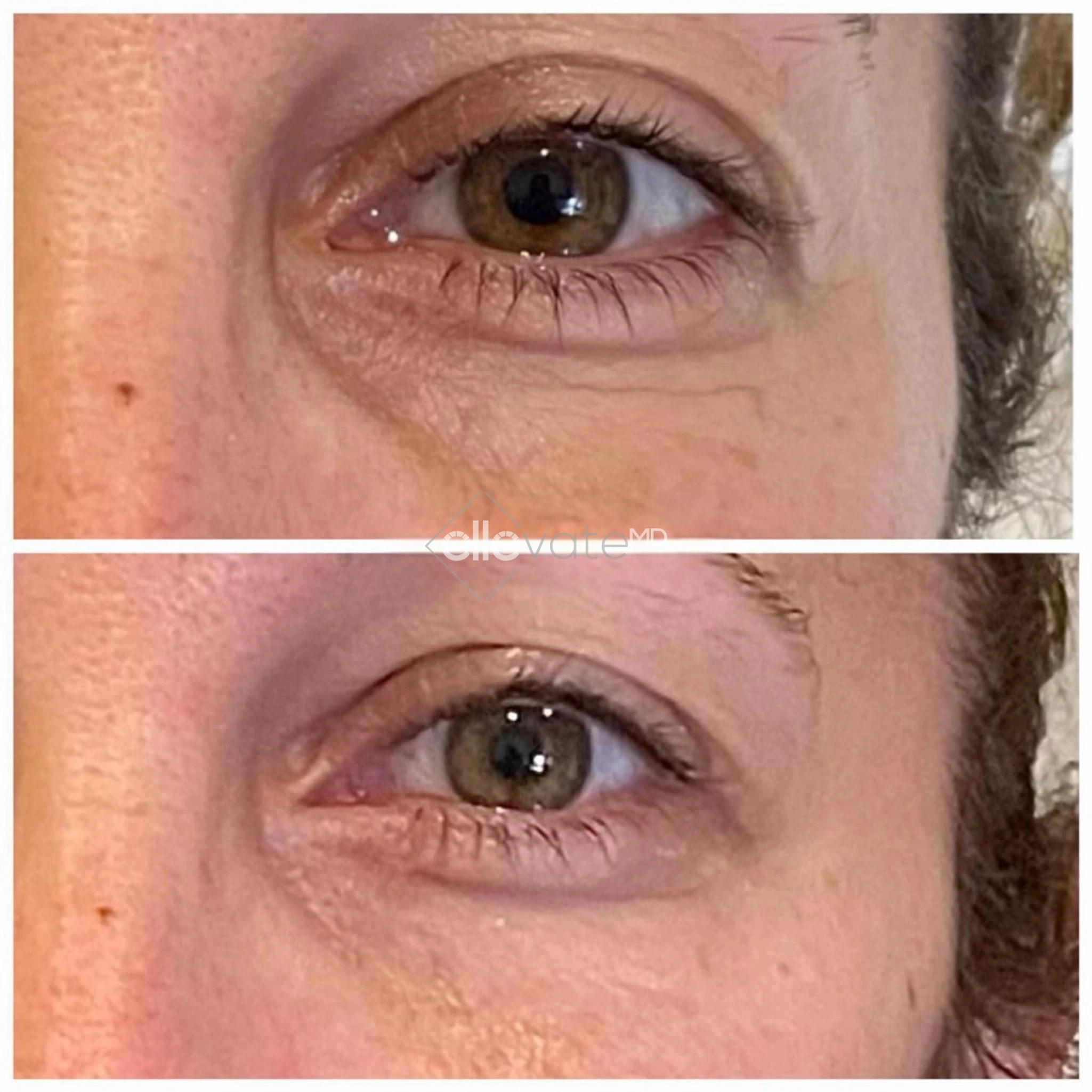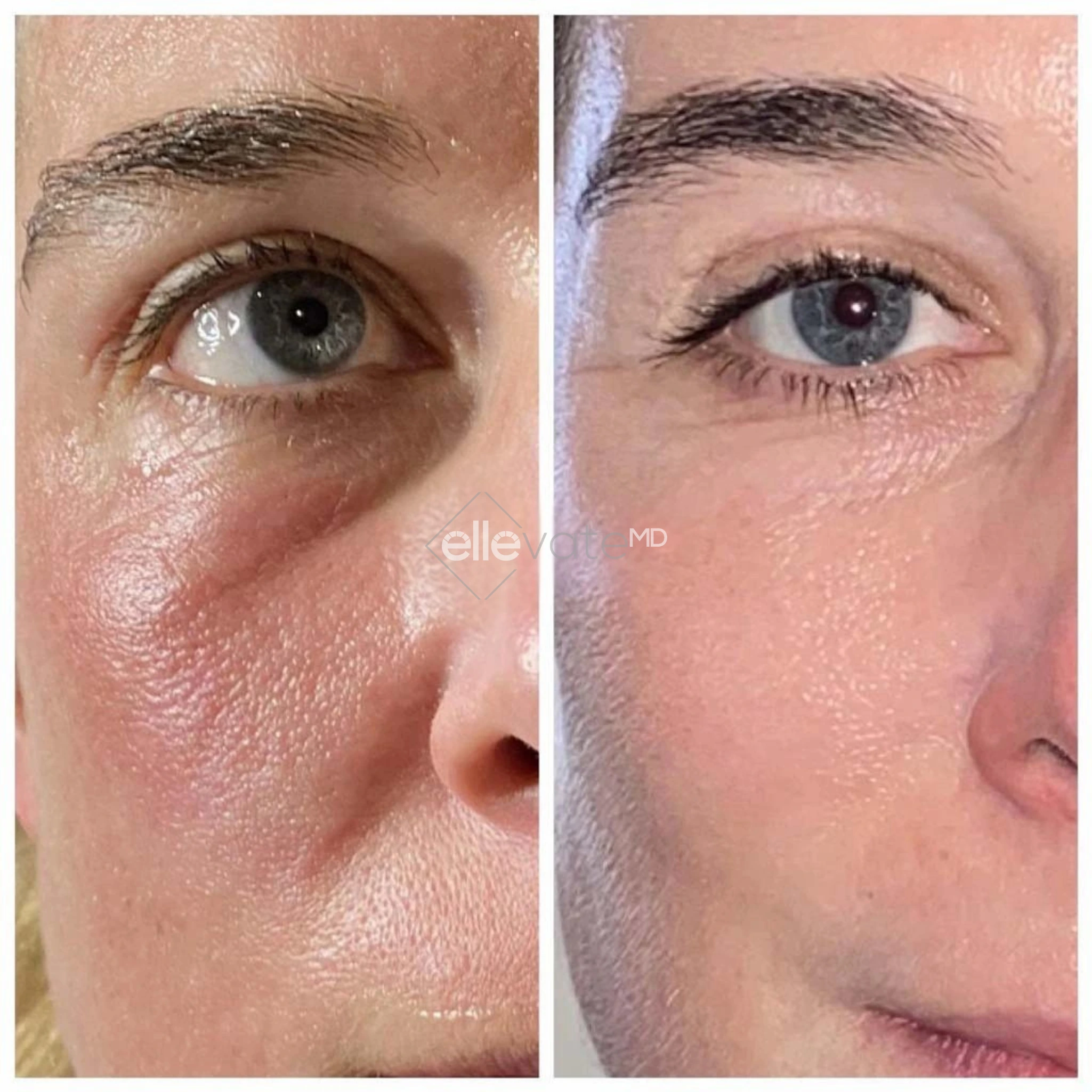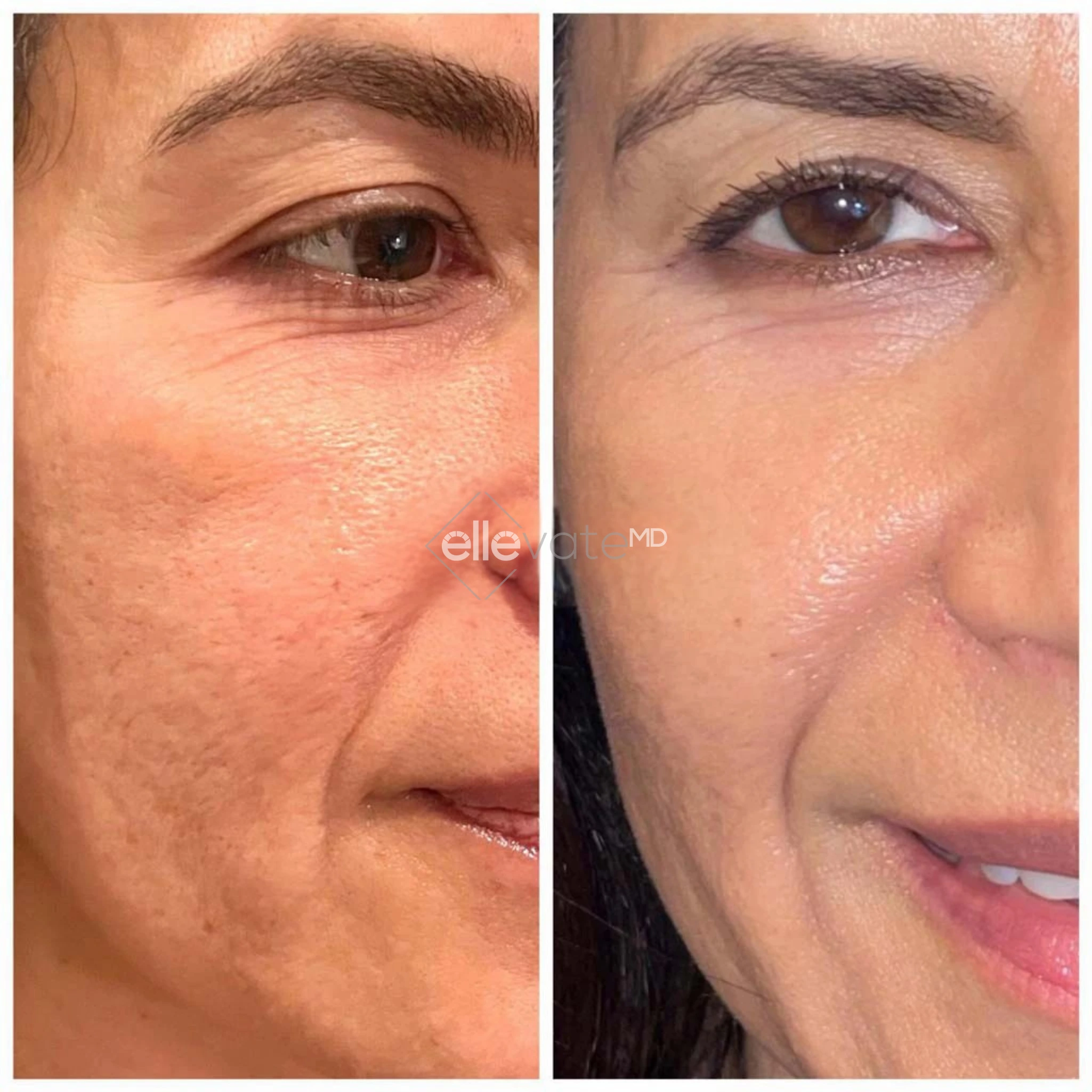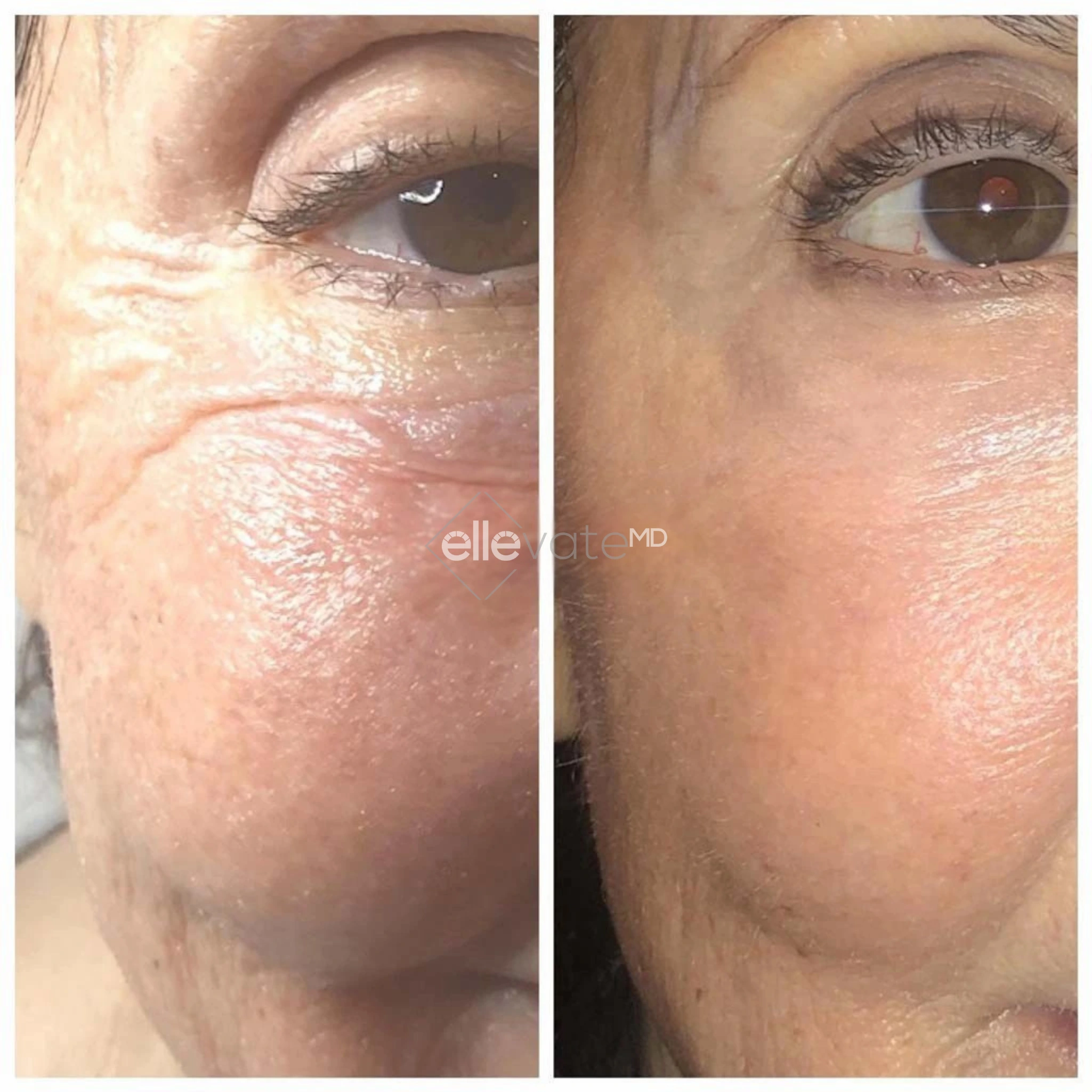
Looking tired on camera is a common concern in our video-call era. The solution to looking better combines proper lighting positioned at eye level or slightly above, camera placement at eye height, and quick fixes like eye drops or concealer under the eyes. For lasting results, skincare routines with vitamin C and retinol help, while professional treatments like fillers and blepharoplasty can address persistent dark circles and puffiness.
Video calls have become part of daily life, yet many people feel they look exhausted on screen even when well-rested. You’re not imagining it – digital cameras, especially the front-facing ones on our laptops and phones, are notoriously unflattering and can exaggerate signs of fatigue.
The wide-angle lenses common in webcams can distort facial features. They often make objects closer to the lens appear larger, subtly altering the proportions of your nose, forehead, and chin. More importantly, they aren’t designed to capture light and shadow with the same nuance as the human eye.
These cameras tend to deepen shadows, making under-eye circles, fine lines, and hollows appear much more prominent than they do in person. Most built-in laptop cameras also have lower resolution than phone cameras, capturing less detail and creating a washed-out appearance.
Poor internet connections compound the problem by reducing video quality, making skin appear blotchy or pixelated. Additionally, webcams often struggle with color accuracy, making skin tones appear dull or sallow.
The angle of your camera is one of the most significant factors in how you appear on screen. When your camera is positioned below your face – as it often is when using a laptop on a desk – it creates an unflattering upward view.
This angle casts shadows under your chin, accentuates jowls, and makes the area under your eyes look darker and puffier. It’s the visual equivalent of looking at yourself in a hand mirror held at your chest.
The ideal position is to have the camera at or slightly above your eye level. This encourages you to lift your chin slightly, elongates your neck, and lets light hit your face more evenly, minimizing shadows and creating a more alert, engaged look.
Lighting is everything in photography and videography, and your daily video calls are no exception. Poor lighting is the primary culprit in making you look tired on camera.
Overhead Lighting: A light source directly above you casts harsh shadows downward, darkening eye sockets and creating the illusion of deep-set, tired eyes and pronounced under-eye bags
Backlighting: Sitting with a bright window behind you forces your camera to adjust, plunging your face into shadow
Side Lighting: A single, strong light source from one side illuminates half your face while casting the other in shadow, highlighting skin texture and asymmetry
The best lighting is soft, diffuse light coming from in front of you. Facing a window with natural light is ideal. If that’s not possible, a ring light or even a simple lamp placed behind your camera can illuminate your face evenly.
Beyond technical adjustments, your daily habits play a huge role in how you present yourself. A consistent routine focused on skin health and strategic makeup application can make a world of difference.
A bright, hydrated complexion instantly looks more awake and vibrant on camera. At ellevateMD, we carry curated lines like ellevateMD Skincare and SkinMedica because we know the science behind them works.
Focus on hydration and exfoliation:
Hyaluronic acid serums plump the skin with moisture, filling in fine lines
Vitamin C serums brighten the skin and protect it from environmental damage
Gentle exfoliation 2-3 times weekly reveals radiant skin underneath
Dedicated eye cream hydrates the delicate, thin skin around the eyes
Caffeine-infused eye creams temporarily reduce puffiness by constricting blood vessels
Keep eye cream in the refrigerator for enhanced de-puffing effects. Apply moisturizer with subtle illuminating properties to reflect light without appearing greasy on camera.
Makeup is a powerful tool for counteracting the unflattering effects of a webcam. The goal isn’t to look heavily made up, but to strategically brighten and define your features.
Conceal and Brighten: Use color-correcting concealer in peach tones (or orange for deeper skin) to neutralize under-eye darkness. Apply in an inverted triangle shape, extending from the inner corner to the top of the cheekbone
Open Up the Eyes: An eyelash curler instantly lifts lashes, making eyes appear larger. Follow with mascara. For lasting results, consider brow lamination.
Add Life to Your Face: Cream blush in warm tones on the apples of the cheeks, blended upward. Subtle highlighter on inner eye corners and brow bones. Tinted lip balm prevents looking washed out
Ultimately, the way to look less tired is to be less tired. Prioritizing healthy habits is the most fundamental step.
Aim for 7-9 hours of quality sleep per night
Stay hydrated with at least eight glasses of water daily
Stop screen use one hour before bed to improve sleep quality
Exercise regularly to increase circulation and a natural glow
Follow the 20-20-20 rule: every 20 minutes, look at something 20 feet away for 20 seconds
Eat a balanced diet rich in antioxidants, vitamins, and minerals
If you find that you look tired regardless of sleep or lighting setup, it may be due to underlying anatomical changes. Volume loss, skin laxity, and genetic predispositions can create persistent shadows and puffiness that at-home solutions can’t fix.
For concerns related to skin texture, fine lines, and pigmentation, we offer advanced medical-grade technologies:
Fraxel Laser: Creates micro-injuries to trigger collagen production, improving texture and addressing pigmentation, including dark circles from sun damage
RF Microneedling: Combines microneedling with radiofrequency energy to tighten loose skin and improve crepiness around the eyes
Sofwave: Uses proprietary ultrasound technology to rebuild collagen and elastin, lifting brows and reducing lines with no downtime
For volume loss in the tear trough – the groove from the inner eye corner down the cheek – and structural concerns, these treatments offer dramatic results:
Dermal Fillers: Hyaluronic acid fillers precisely placed in the tear trough restore lost volume, instantly smoothing shadows and creating a rested look
Botox Injections: Reduce crow’s feet, lift the brow area slightly, and address asymmetry that’s noticeable on camera
For significant structural concerns, surgical solutions offer the most dramatic and long-lasting results:
Lid Lift: Dr. Ann Jayaram’s in-office procedure, performed under local anesthesia, removes precise amounts of skin to restore a youthful eye shape with minimal downtime
Lower Blepharoplasty: Removes or repositions herniated fat pads causing persistent bags, creating smooth contours
Eye Bag Removal: Dr. Ann Jayaram’s specialized techniques preserve natural eye shape while eliminating puffiness permanently
Mastering how to look less tired on camera is about controlling the controllables. Confidence is the ultimate accessory – when you feel good about how you look, it shows.
Start by implementing the simple tech and at-home tips:
Set up your station with good lighting and a proper camera angle
Test your setup before important calls
Practice looking at the camera lens rather than your screen for better eye contact
Sit up straight with your shoulders back to naturally lift your face
Keep backup lighting options nearby for changing conditions
If you’re still bothered by what you see, know that effective long-term solutions are available. A consultation with a professional like Dr. Ann Jayaram can provide a personalized plan to address your specific concerns.
Looking less tired on camera doesn’t require a complete overhaul – just a smarter approach. By optimizing your lighting and camera angle, maintaining a consistent skincare and makeup routine, and supporting your body with healthy habits, you can dramatically improve how rested and confident you appear on screen.
And if persistent under-eye concerns go beyond quick fixes, personalized treatments with an experienced professional like Dr. Ann Jayaram can deliver long-term results. When you control the details and invest in what works for you, every video call becomes an opportunity to look as energized as you feel.