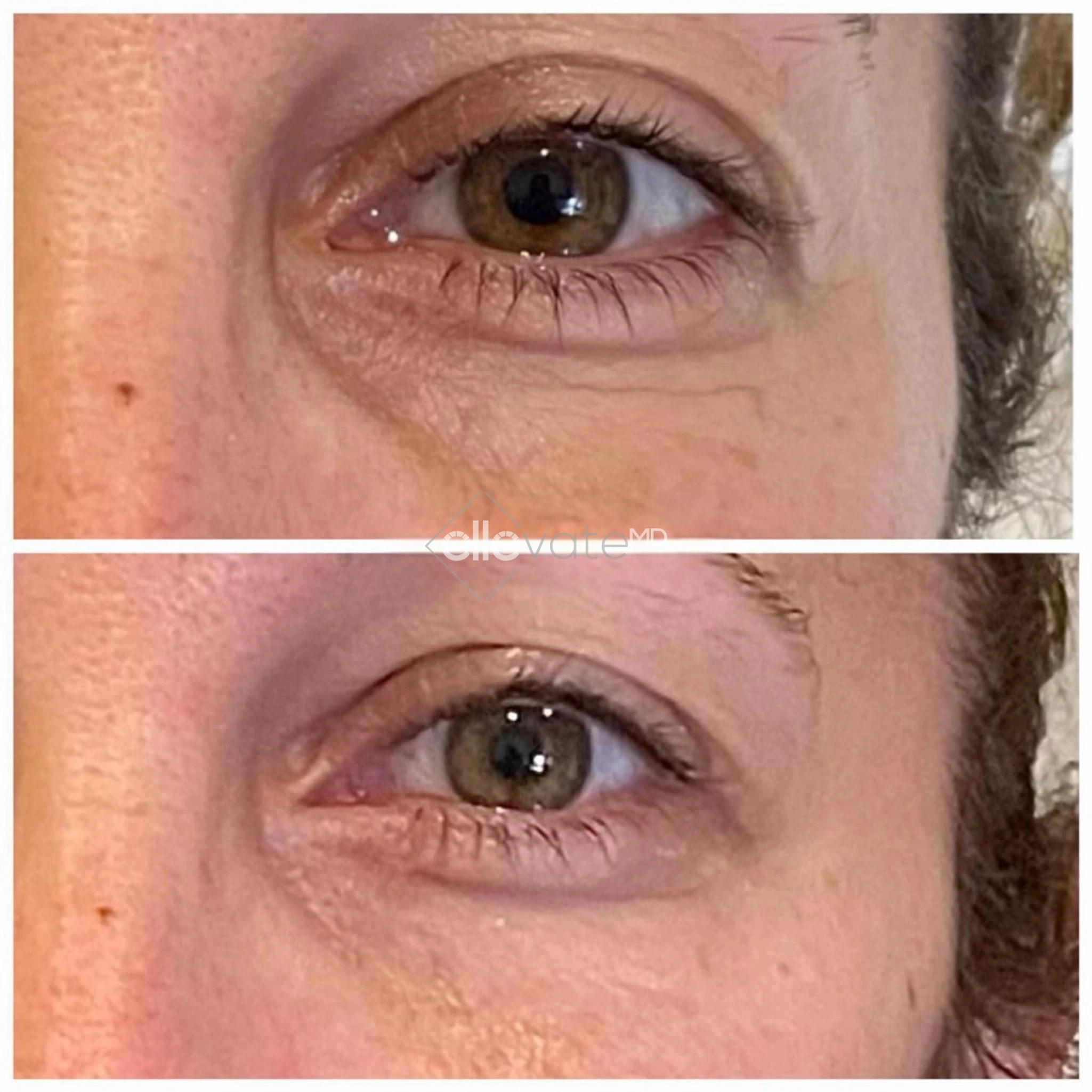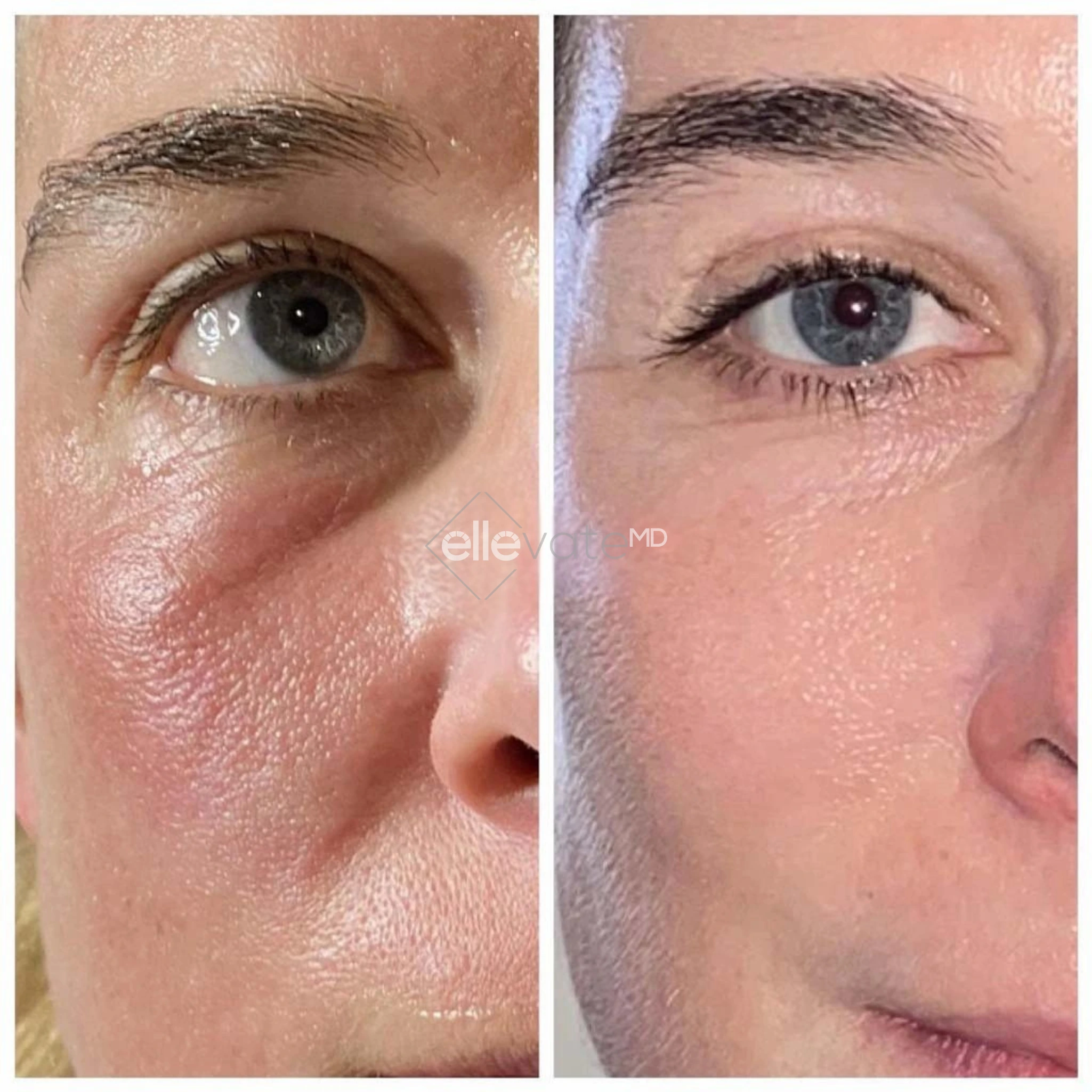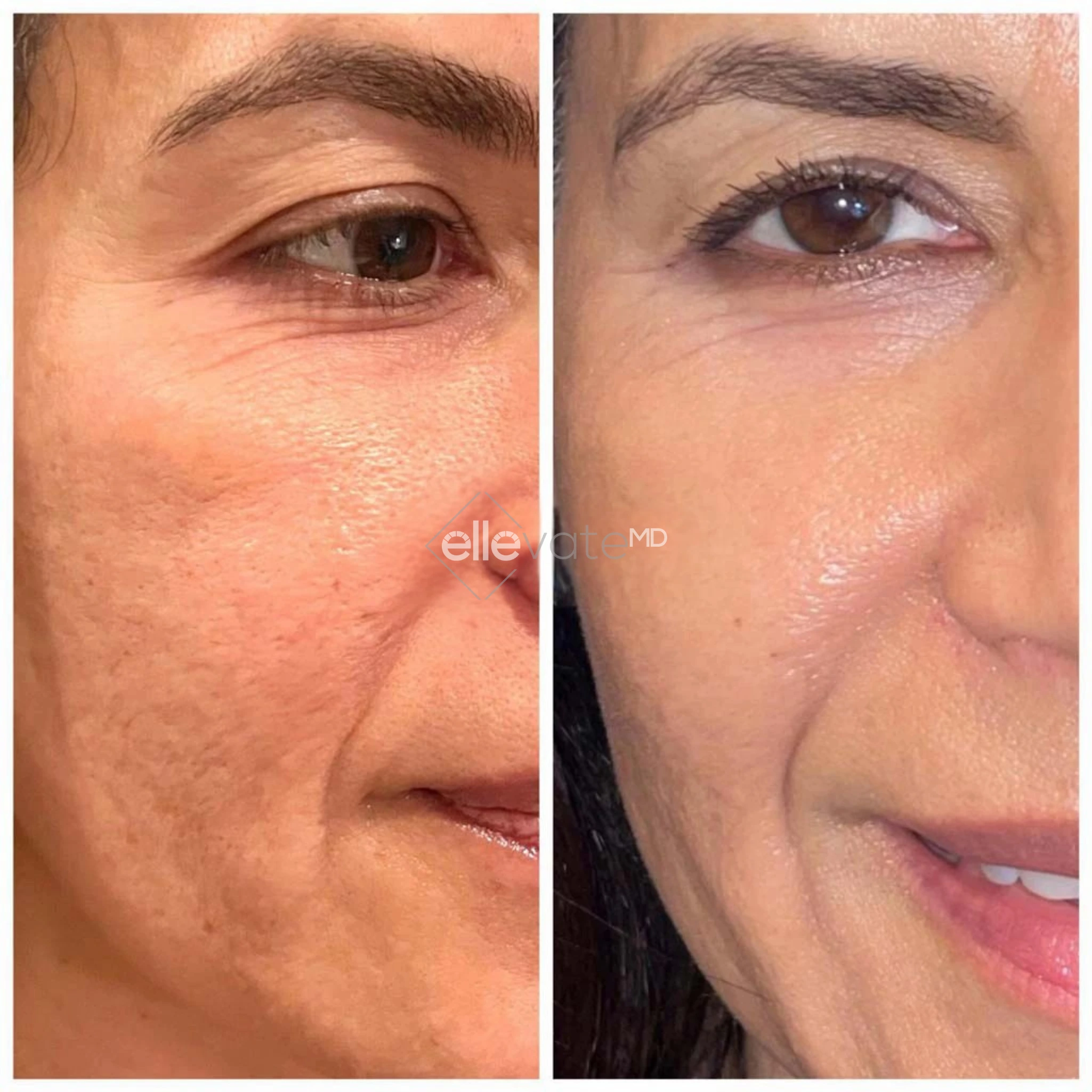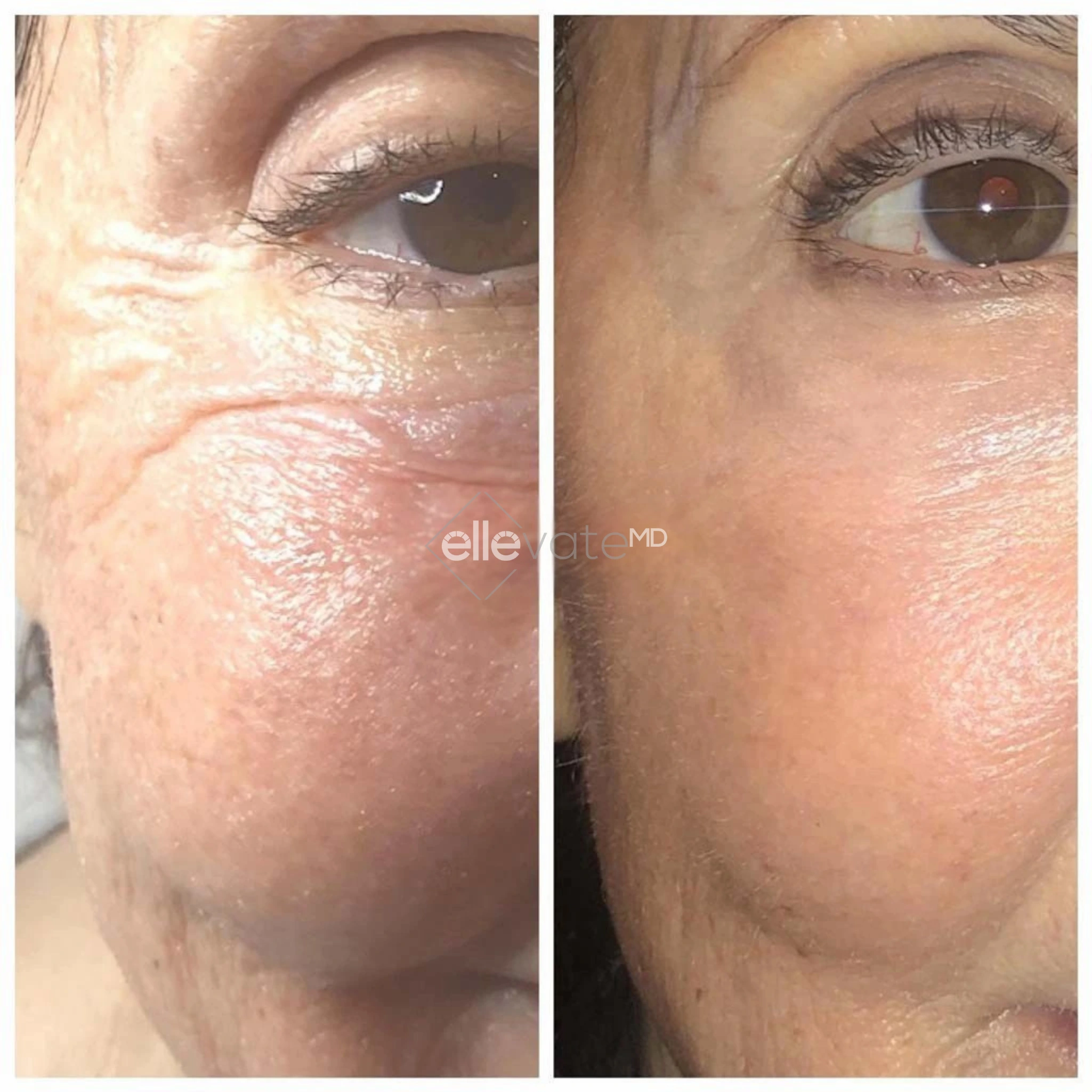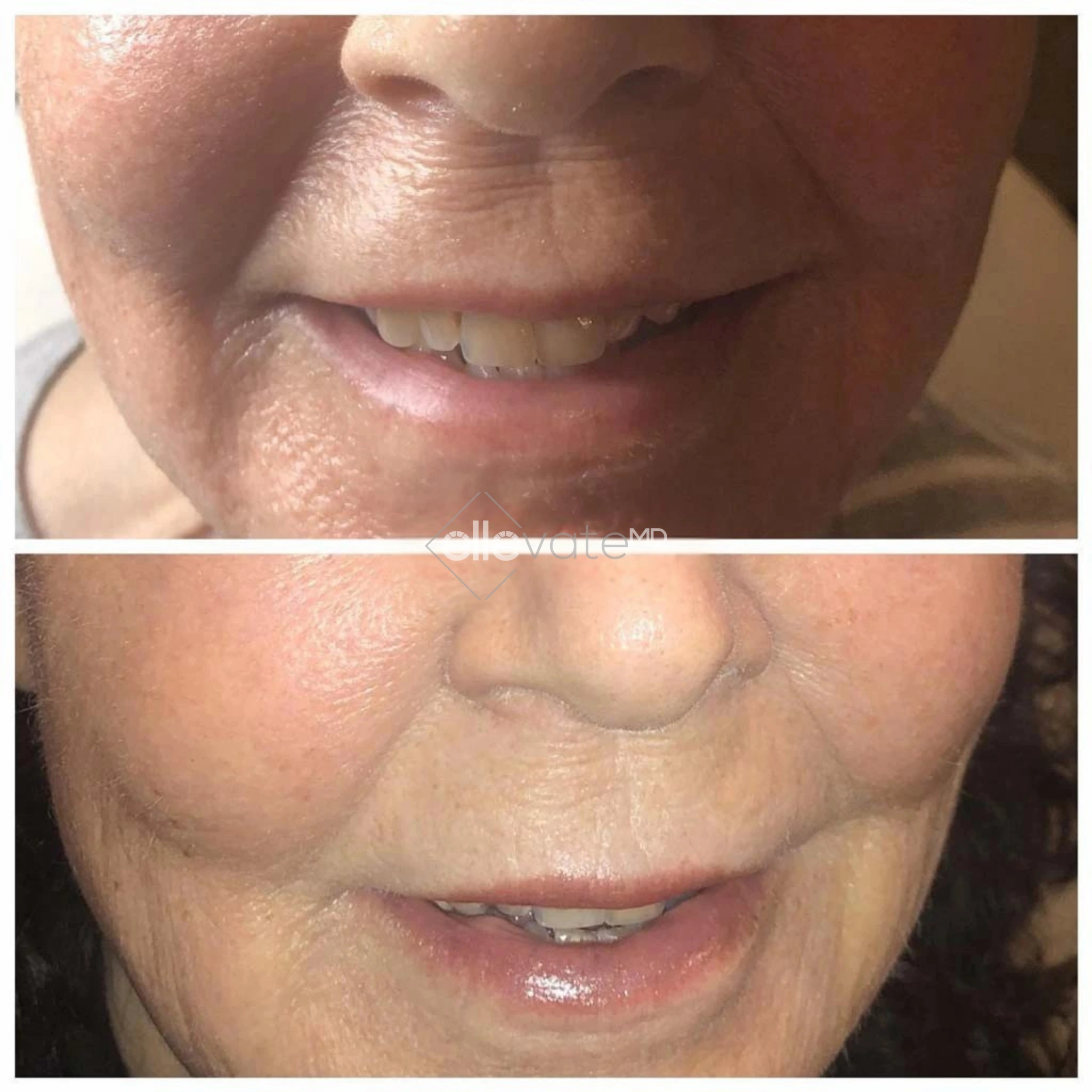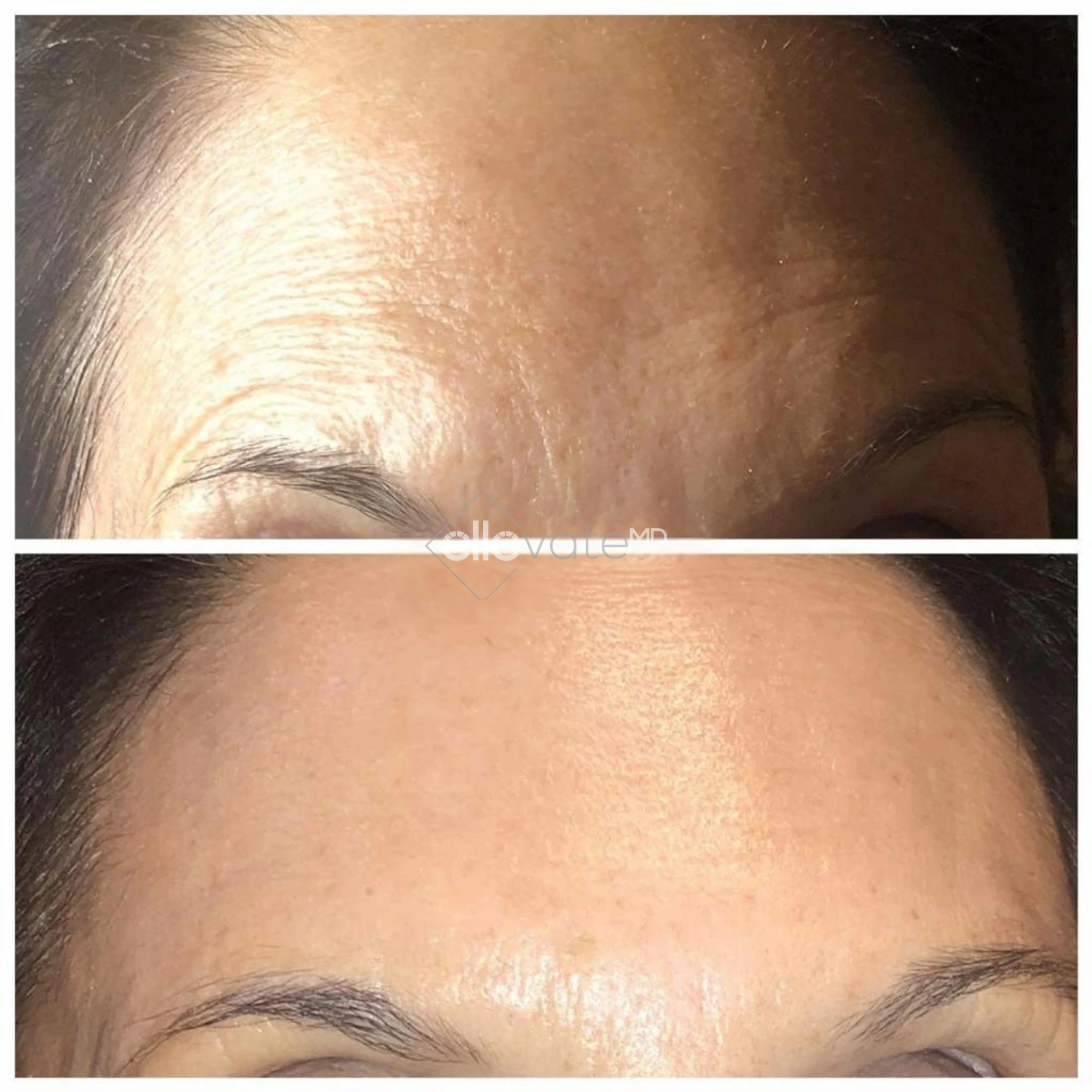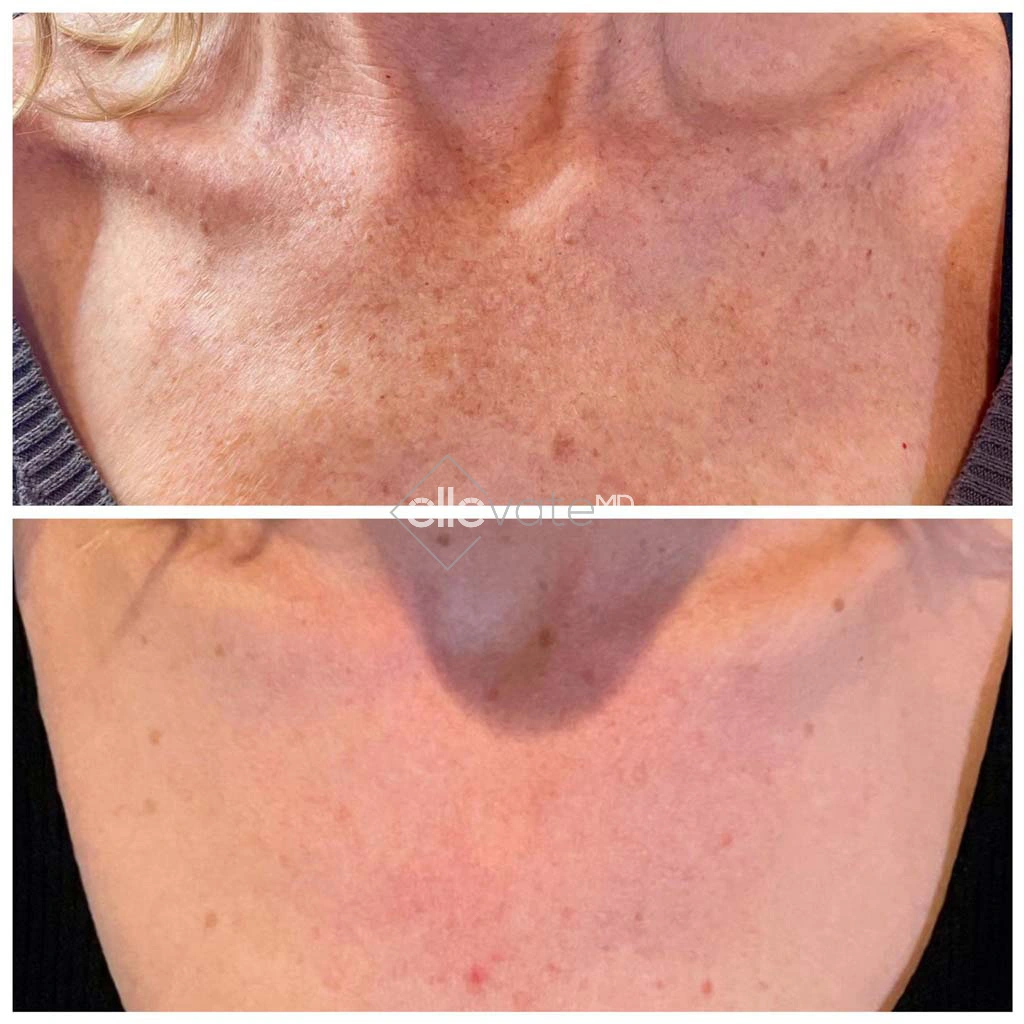
At ellevateMD in Atherton, Dr. Ann Jayaram offers both Tixel and Fraxel as part of a comprehensive skin care plan that addresses a wide range of concerns with medical-grade precision.
Tixel is a thermo-mechanical treatment – not a laser. It uses Thermo-Mechanical Ablation (TMA) technology: a small titanium plate covered in pyramid-shaped pins heated to a precise temperature. When the tip briefly contacts the skin, it transfers controlled thermal energy that creates tiny micro-channels in the outer layers.
These micro-channels trigger the body’s natural healing response, stimulating collagen and elastin production and improving texture, tone, and overall radiance. Because Tixel does not use light-based energy, it avoids pigmentation concerns associated with lasers, making it a notable option for a broader range of skin tones.
Fraxel is a fractional laser system that delivers precise microscopic columns of laser energy deep into the skin. These treatment zones penetrate deeper layers, stimulating intensive collagen remodeling while leaving surrounding tissue untouched. This “fractional” approach allows the skin to heal faster than if the entire surface were treated at once.
The body works to repair these tiny treatment zones, pushing out old, damaged skin cells and replacing them with fresh tissue. Over a series of treatments, this leads to dramatic improvement in skin tone, texture, and overall appearance. Fraxel is recognized for addressing more advanced skin concerns – including deeper wrinkles, significant sun damage, undereye pigmentation, acne scars, and textural irregularities that require a more aggressive approach.
While both treatments improve skin quality, their specific advantages guide the decision-making process.
Deeper penetration: Fraxel reaches deeper skin layers, making it highly effective for moderate-to-deep wrinkles, extensive sun damage, and stubborn pigmentation.
Effective for scarring: It is an excellent choice for improving the appearance of acne scars and surgical scars.
Proven track record for pigmentation: Fraxel has a long clinical history for treating melasma, age spots, and undereye pigmentation.
Significant collagen remodeling: The intensity of fractional laser energy stimulates a robust healing response, producing dramatic improvements in skin texture and firmness.
Versatile treatment depth: Fraxel settings can be adjusted to target surface-level concerns or reach deeper layers, depending on the patient’s needs.
Your lifestyle, comfort level, and skin tone are important factors when choosing a treatment. Dr. Ann Jayaram’s approach focuses on both precision and comfort, ensuring you have a clear understanding of what to expect.
Tixel recovery tends to be milder. A topical numbing cream is applied beforehand, and the treatment itself feels like a brief burst of warmth. Most people notice redness similar to a sunburn that fades within two to three days. Swelling is minimal, and many patients return to normal activities quickly.
Fraxel recovery requires more planning. A topical anesthetic is applied for comfort; patients often describe the sensation as warm and prickly, but more intense due to the deeper penetration of the laser energy. Dr. Ann Jayaram advises patients to stay completely out of the sun for one week. During that downtime, the skin will appear visibly treated – with redness, swelling, a bronzed look, and then peeling that takes about a week to fully resolve. Patients should plan for about one week of social downtime.
A note on skin tone: Patients with darker skin tones should discuss their options carefully during a consultation. Tixel’s non-laser mechanism may offer clear advantages, while Fraxel settings may need careful calibration to minimize pigmentation changes.
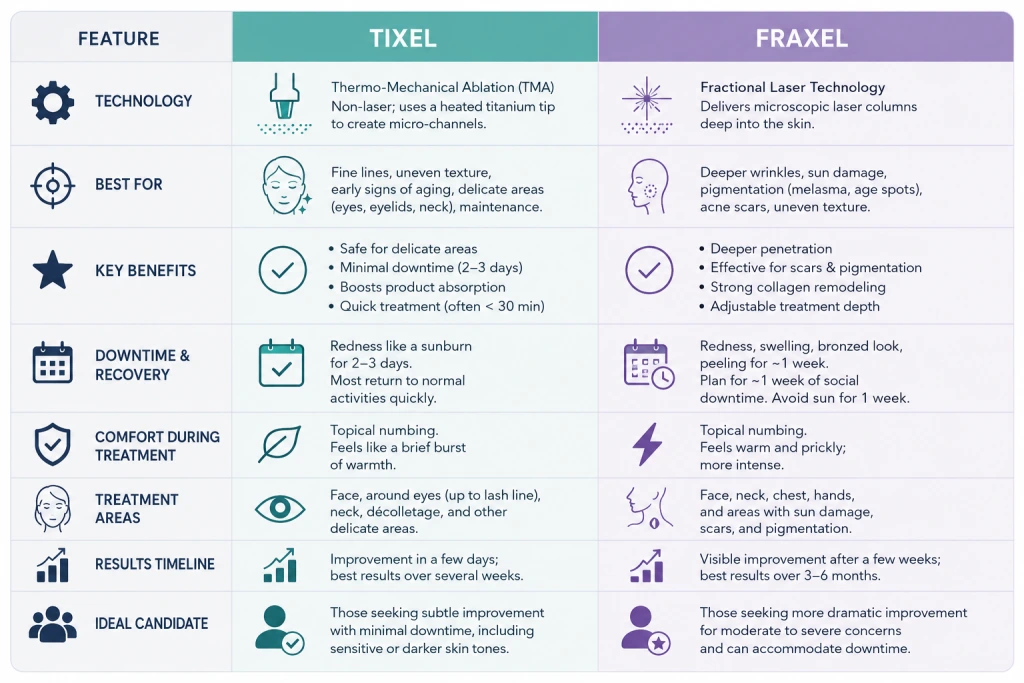
The answer depends on what your skin needs and how much downtime you can accommodate. Some patients benefit from Fraxel for deeper correction and from Tixel for maintenance or to treat delicate areas that Fraxel cannot easily reach. Dr. Ann Jayaram evaluates each patient’s skin during a consultation and recommends an approach that aligns with their goals.
Our team also offers complementary treatments like RF microneedling and Sofwave for skin tightening, which can be layered with either Tixel or Fraxel for more comprehensive results. Both virtual and in-person consultations are available – call (650) 200-8633 to schedule.
The Tixel vs Fraxel decision comes down to your skin concerns, your tolerance for downtime, and the areas you want to treat. Tixel excels at gentle resurfacing with minimal recovery time – especially around the eyes and on sensitive skin. Fraxel goes deeper, delivering more aggressive correction for sun damage, pigmentation, and textural issues.
Both are medical-grade treatments available at ellevateMD under the supervision of Dr. Ann Jayaram, whose surgical background and experience with over 7,000 procedures inform her approach to every skin resurfacing recommendation. A consultation is the clearest path to determining which treatment – or combination – will deliver the results you are looking for.
Request a consultation with Dr. Ann Jayaram at ellevateMD in Atherton or call 650-200-8633.