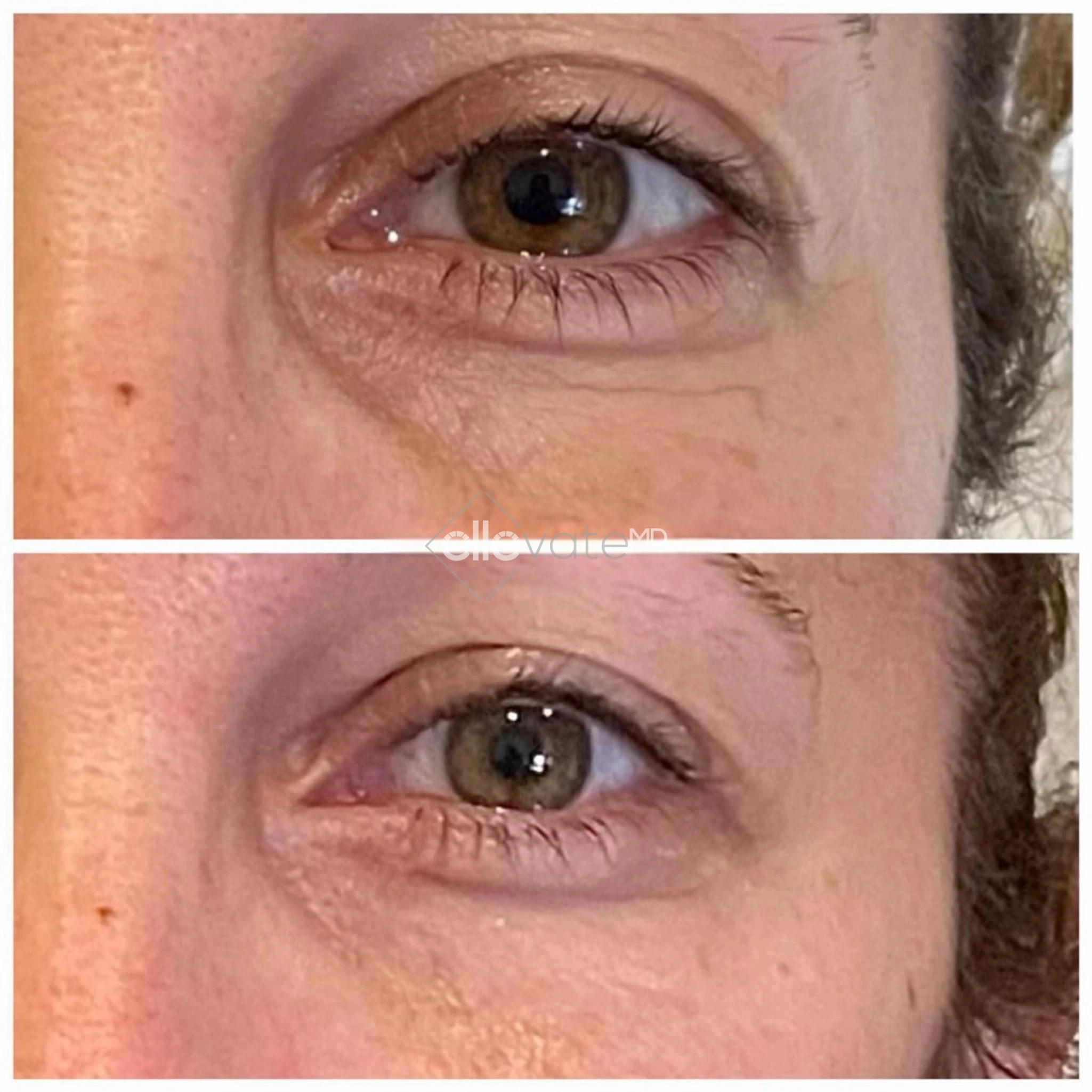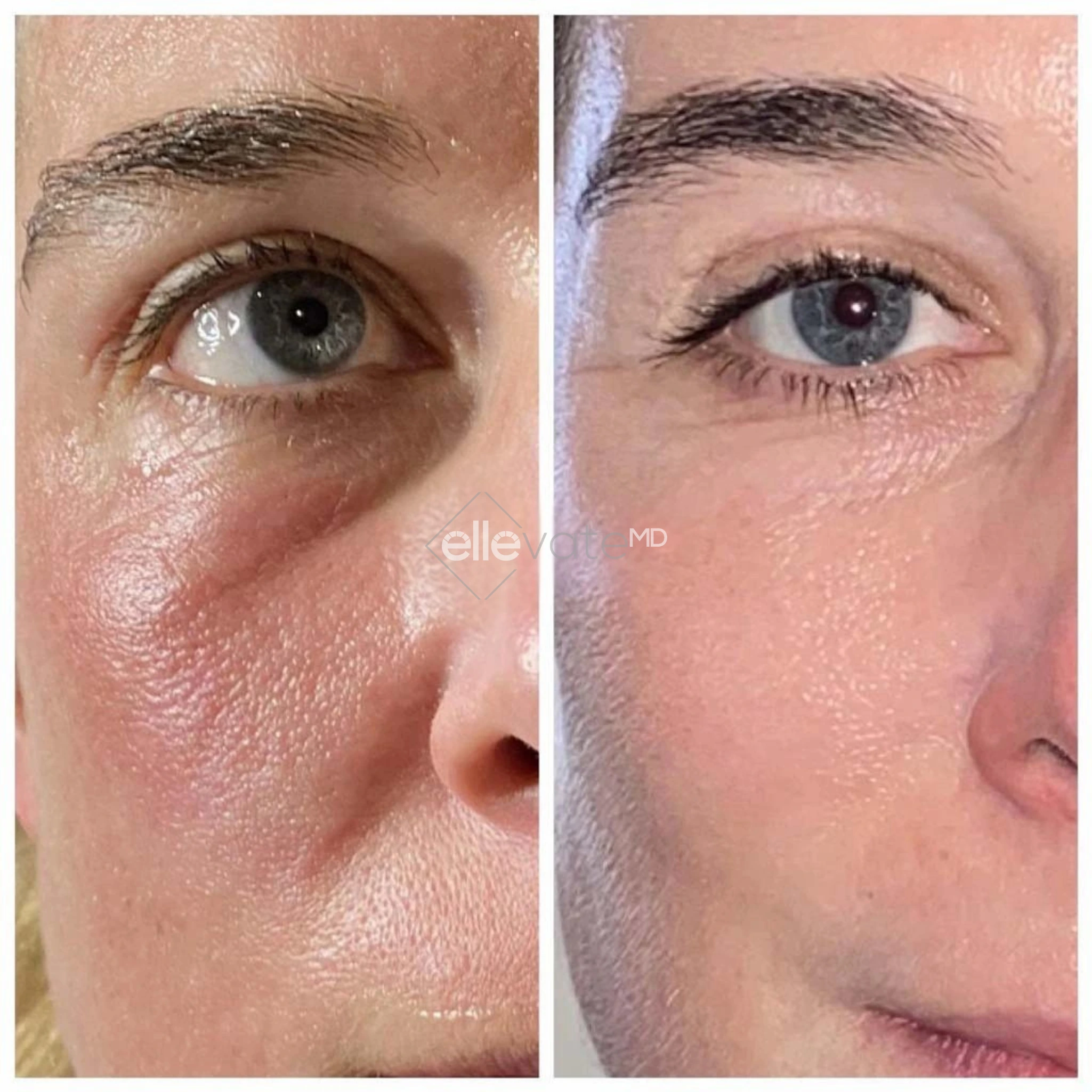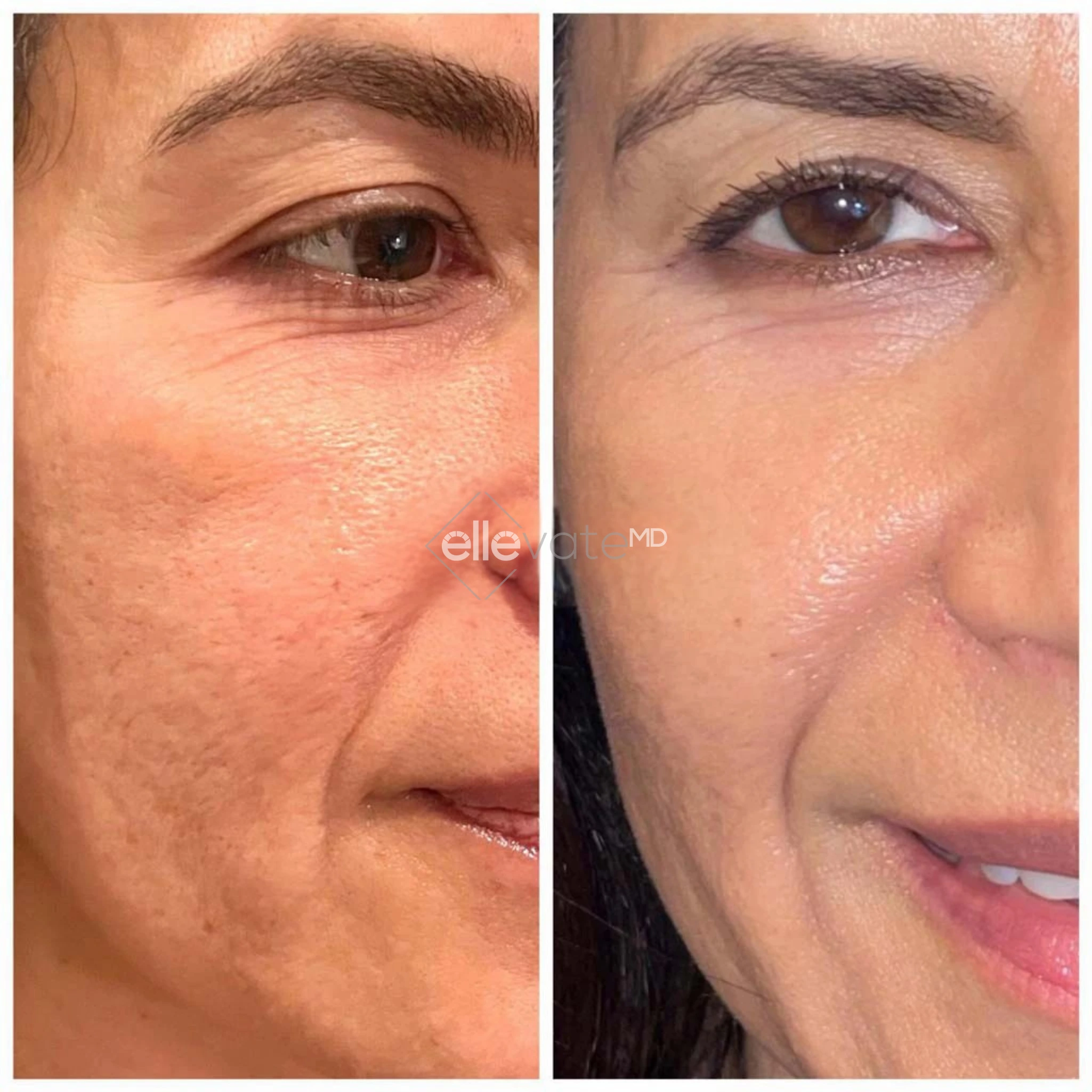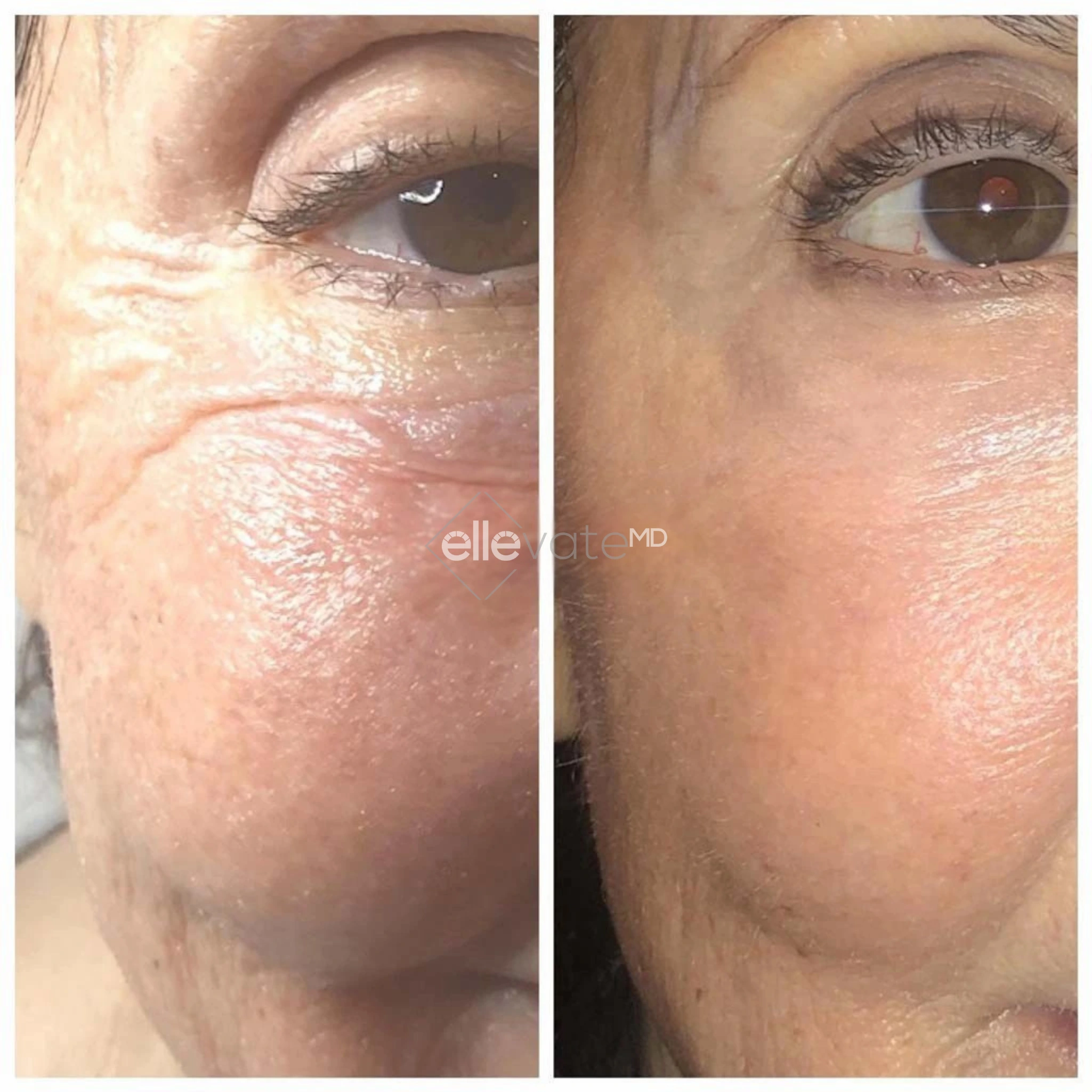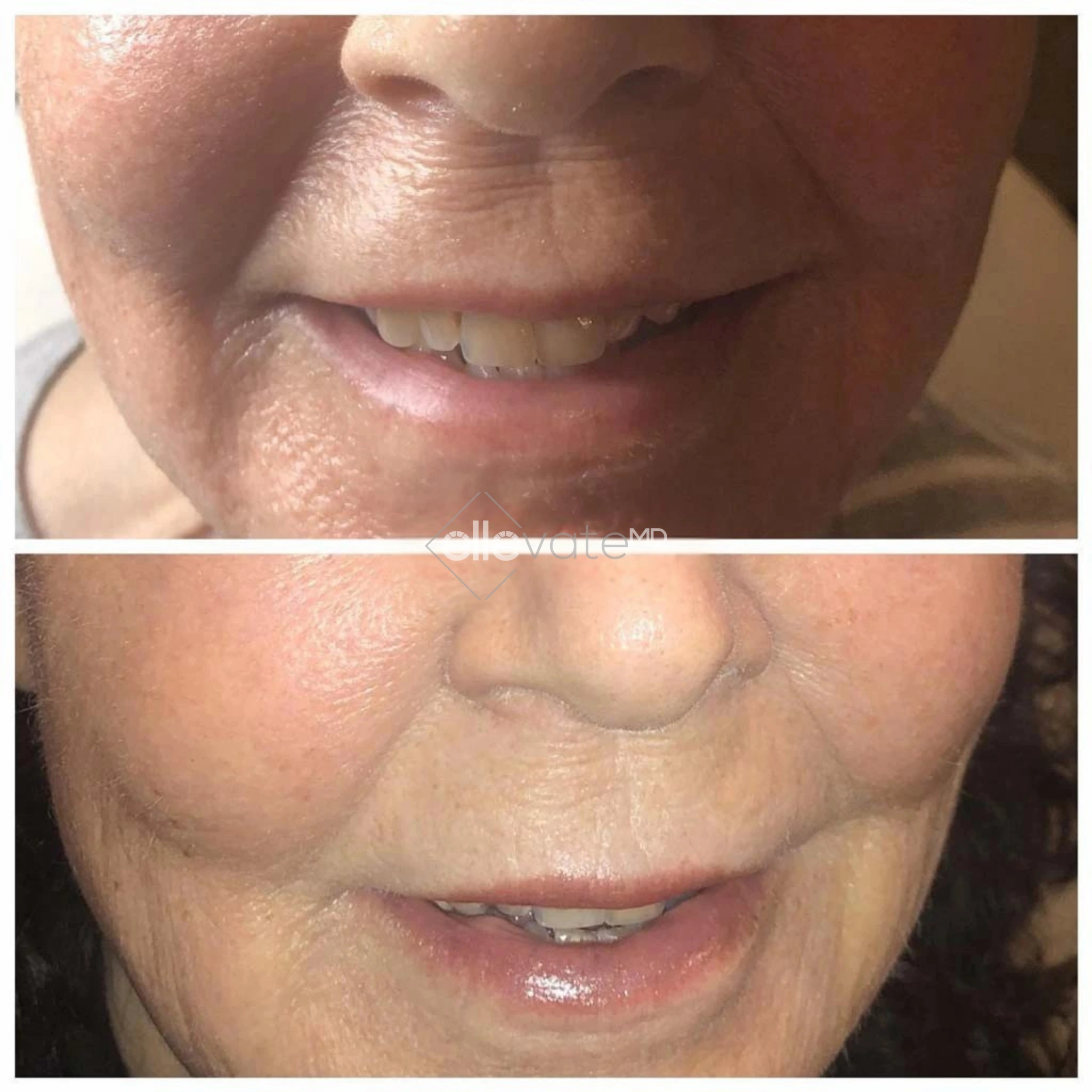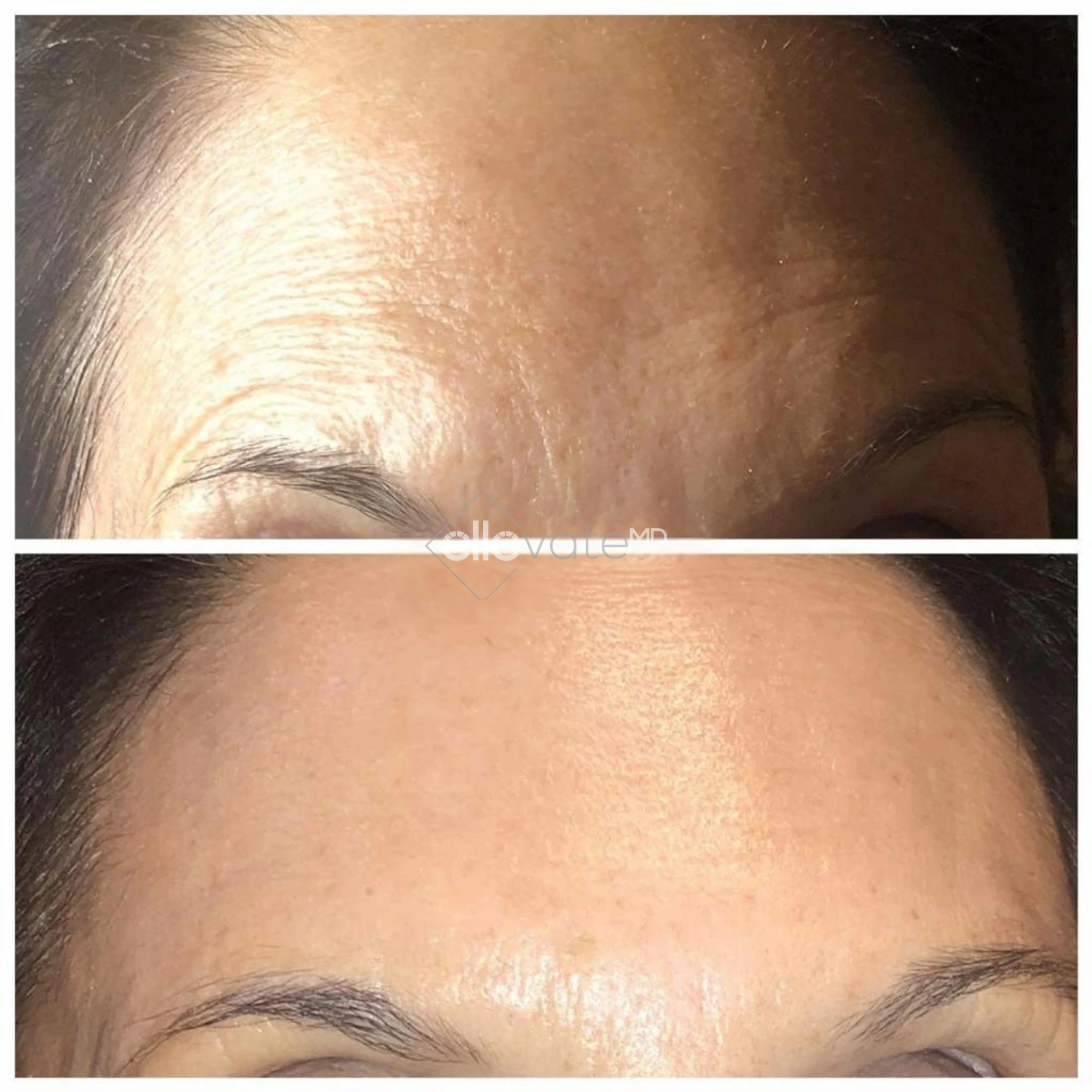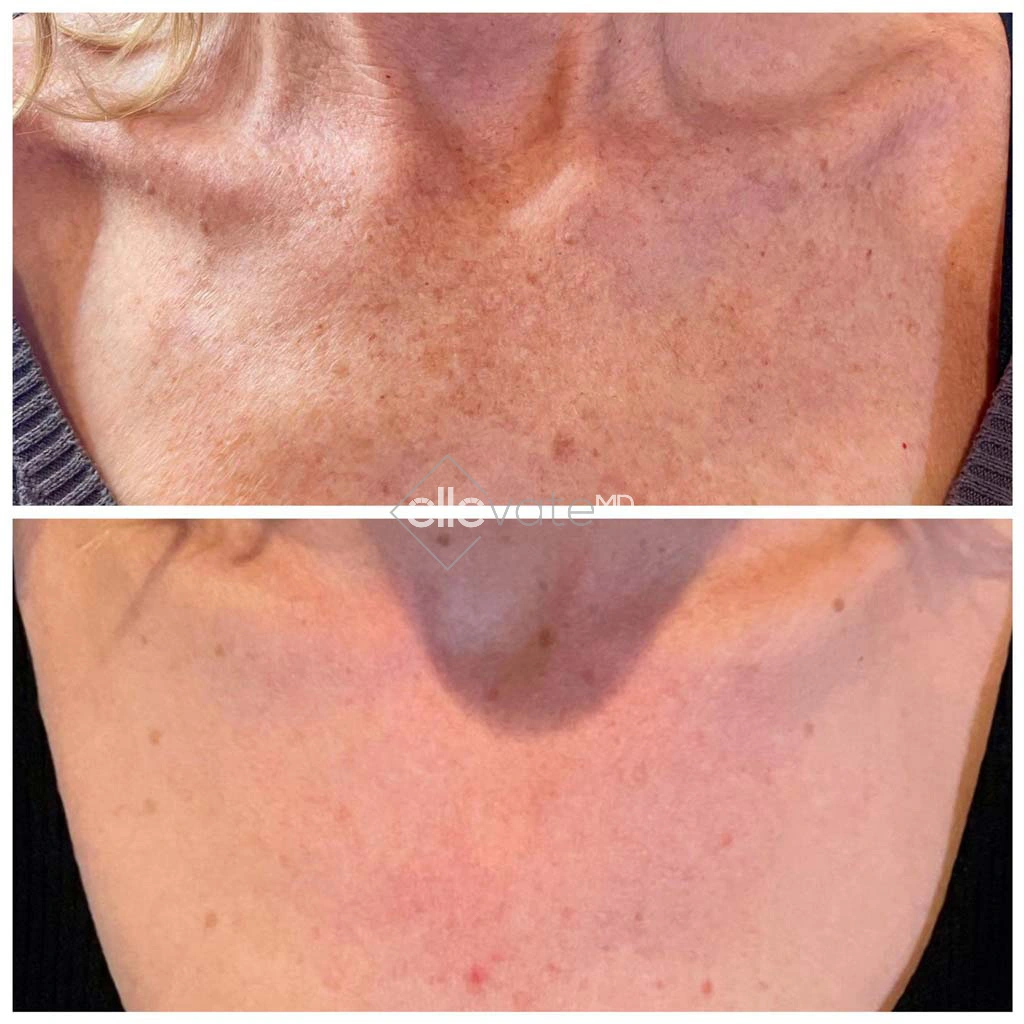
A good candidate for Tixel is someone dealing with fine lines, uneven skin texture, sun damage, acne scarring, or mild skin laxity who wants noticeable improvement without the extended downtime of traditional laser resurfacing. Individuals seeking skin renewal on delicate areas like the eyelids and preferring a treatment that uses controlled heat rather than light energy are especially well-suited.
This article breaks down exactly who is a good candidate for Tixel, what skin concerns it addresses, and when a different treatment path might be more appropriate.
Tixel is a fractional skin resurfacing system that stands apart from traditional laser and radiofrequency treatments. Instead of using light or electrical currents, Tixel utilizes pure, natural heat to rejuvenate the skin. This distinction matters because it means Tixel can deliver meaningful resurfacing results while keeping downtime shorter than many laser alternatives.
At ellevateMD, Tixel sits alongside other advanced technologies like Fraxel, Sofwave, and RF microneedling. Dr. Ann Jayaram selected Tixel specifically because it fills a unique role in her treatment lineup: it offers a level of skin renewal that falls between gentler facials and more aggressive laser procedures.
Tixel is well suited for people bothered by specific skin issues that don’t necessarily require surgery or aggressive laser treatment. Common concerns that respond well to Tixel include:
Fine lines and wrinkles, including crow’s feet, perioral lines (around the mouth), and forehead lines
Rough or uneven skin texture from years of sun exposure or natural aging
Enlarged or visible pores that contribute to uneven skin appearance
Acne scars, particularly atrophic or depressed scars that create a pitted texture, as well as post-inflammatory marks that haven’t responded to topical skincare alone
Sun damage, including pigmentation irregularities and a dull, tired-looking complexion
Mild skin laxity, especially on the face, neck, and décolletage
Crepey skin on the delicate upper and lower eyelids
As the Bay Area’s eyelid specialist, Dr. Ann Jayaram often incorporates Tixel to complement her surgical work or as a standalone treatment for non-surgical eye rejuvenation. If your primary concern is deep wrinkles, significant sagging, or excess skin around the eyes, she may recommend a different approach – such as her Signature Lid Lift or a combination treatment plan.
One of Tixel’s notable advantages is its compatibility with a wider range of skin types than many traditional laser treatments. Because it relies on thermal contact rather than light energy, the treatment is generally considered appropriate for lighter to medium skin tones.
Dr. Jayaram evaluates each patient individually during a consultation. Patients with sensitive skin or those who have had reactions to other treatments should mention this during their visit – it doesn’t necessarily disqualify you, but it helps tailor the approach.
There’s no single “perfect age” for Tixel. Candidacy is based on skin condition, not chronological age. That said, the treatment tends to be most popular among patients in their 30s through 60s.
In your 20s and 30s: Tixel can serve as a proactive treatment, addressing early texture changes, acne scarring, and sun damage before they become more pronounced. Many patients use Tixel as part of a maintenance routine alongside quality skincare.
In your 40s and 50s: Tixel addresses more established wrinkles, accumulated sun damage, and loss of firmness. Dr. Jayaram may suggest combining Tixel with complementary treatments – for example, pairing it with Sofwave for added skin tightening or injectables for volume restoration.
In your 60s and beyond: Tixel can still deliver meaningful results for texture refinement, tone improvement, and mild tightening, often as part of a combination approach.
While Tixel is appropriate for many people, certain conditions or circumstances may make it a less suitable option:
Pregnancy or nursing – most aesthetic treatments, including Tixel, are deferred during this time as a precaution
Active skin infections, rashes, or inflammation (like eczema or psoriasis) in the treatment area
Active acne breakouts or cold sore outbreaks – treatment should be postponed until these resolve
Open wounds, lesions, or sores in the area to be treated
History of keloid or hypertrophic scarring – patients who tend to form raised, thickened scars need careful evaluation
Recent use of isotretinoin (Accutane) – patients are generally advised to wait at least six months after completing this medication
Compromised immune system or certain autoimmune conditions
Certain medications or medical treatments that significantly impair wound healing
This is not an exhaustive list. It is vital to provide a complete medical history during your consultation so Dr. Ann Jayaram can make an informed decision about your candidacy.
If you’re unsure whether you’re a good candidate, the straightforward answer is: ask. A consultation at ellevateMD gives you the opportunity to discuss your concerns directly with Dr. Ann Jayaram, who can examine your skin in person, review your goals, and recommend the treatment that makes the most sense.
During your visit, Dr. Ann Jayaram may suggest alternative or complementary treatments depending on your needs. For example, patients concerned primarily with undereye pigmentation might benefit more from Fraxel, while those seeking overall facial tightening might be better served by Sofwave or a combination approach. She will honestly assess whether Tixel or another procedure is the most appropriate path to your desired outcome.
The most reliable way to find out if Tixel is right for you is a one-on-one evaluation. Here are a few questions to consider before your appointment:
What is your primary skin concern? Fine lines, texture, tone, or mild scarring all respond well to Tixel. Deep structural concerns may need a different approach.
How much downtime can you manage? Tixel recovery is relatively short, but plan for a few days of redness and sensitivity.
Have you tried other treatments? Knowing what has or hasn’t worked helps Dr. Ann Jayaram narrow down the right option. If topical products aren’t cutting it but you’re not ready for laser resurfacing, Tixel may sit in a productive middle ground.
Do you have any medical conditions or take medications that could affect healing? Bring a current medication list to your consultation.
Dr. Ann Jayaram has built her practice around precision and personalized care – the same philosophy she brings to her renowned eyelid procedures extends to every skin treatment she offers. If Tixel isn’t the right match, she’ll tell you directly and point you toward something that is.
Tixel offers a powerful, modern solution for skin rejuvenation that leverages thermal energy instead of light. Ideal candidates are those looking to correct textural issues, fine lines, wrinkles, sun damage, and scarring – especially on sensitive areas like the eyelids. The treatment is suitable for a range of skin types and ages, though individual evaluation is essential. Patients with active skin conditions, certain medications, or specific scarring tendencies may need to explore alternative options.
The clearest path to understanding who is a good candidate for Tixel is a consultation with Dr. Ann Jayaram at ellevateMD, where your skin, goals, and medical history can all be considered together.