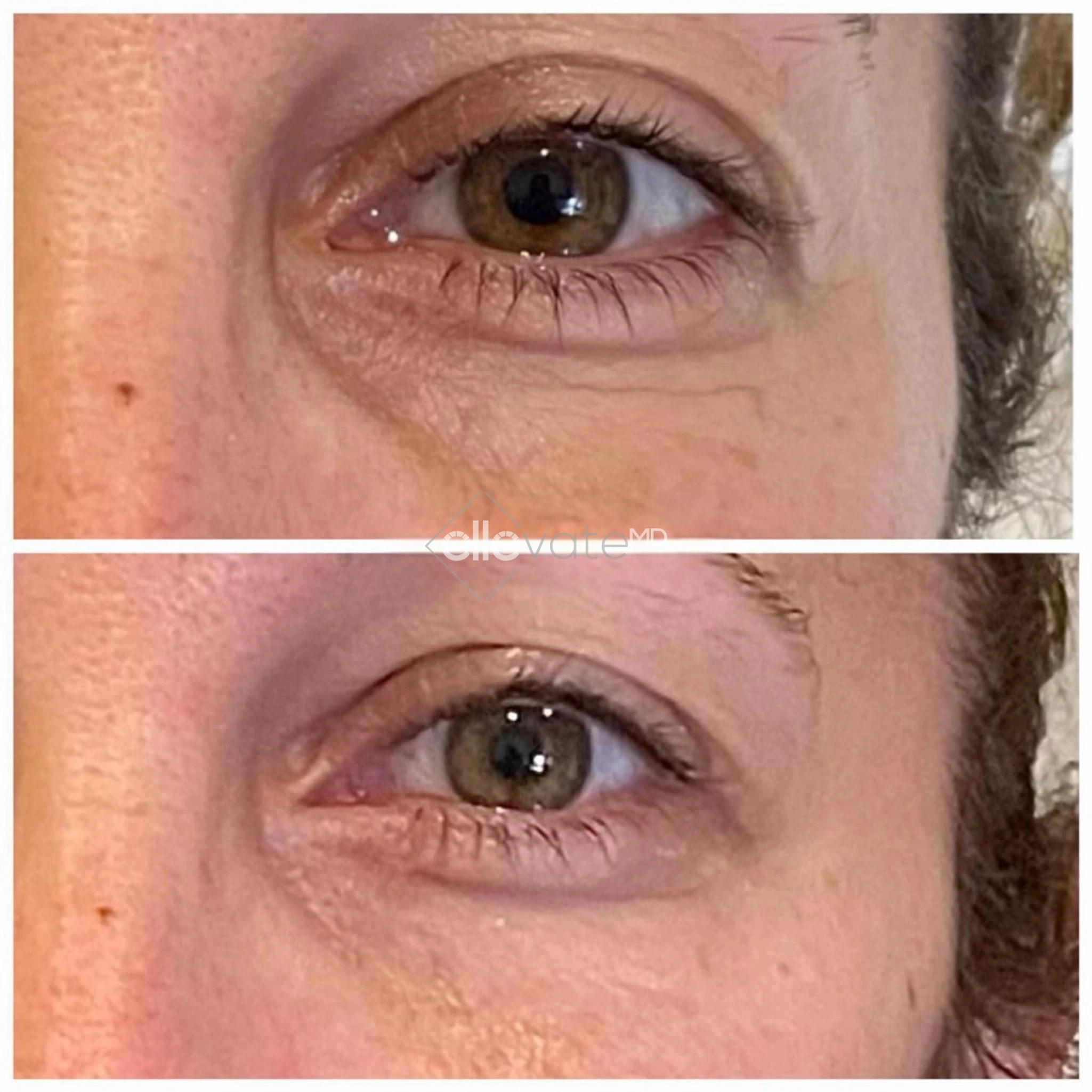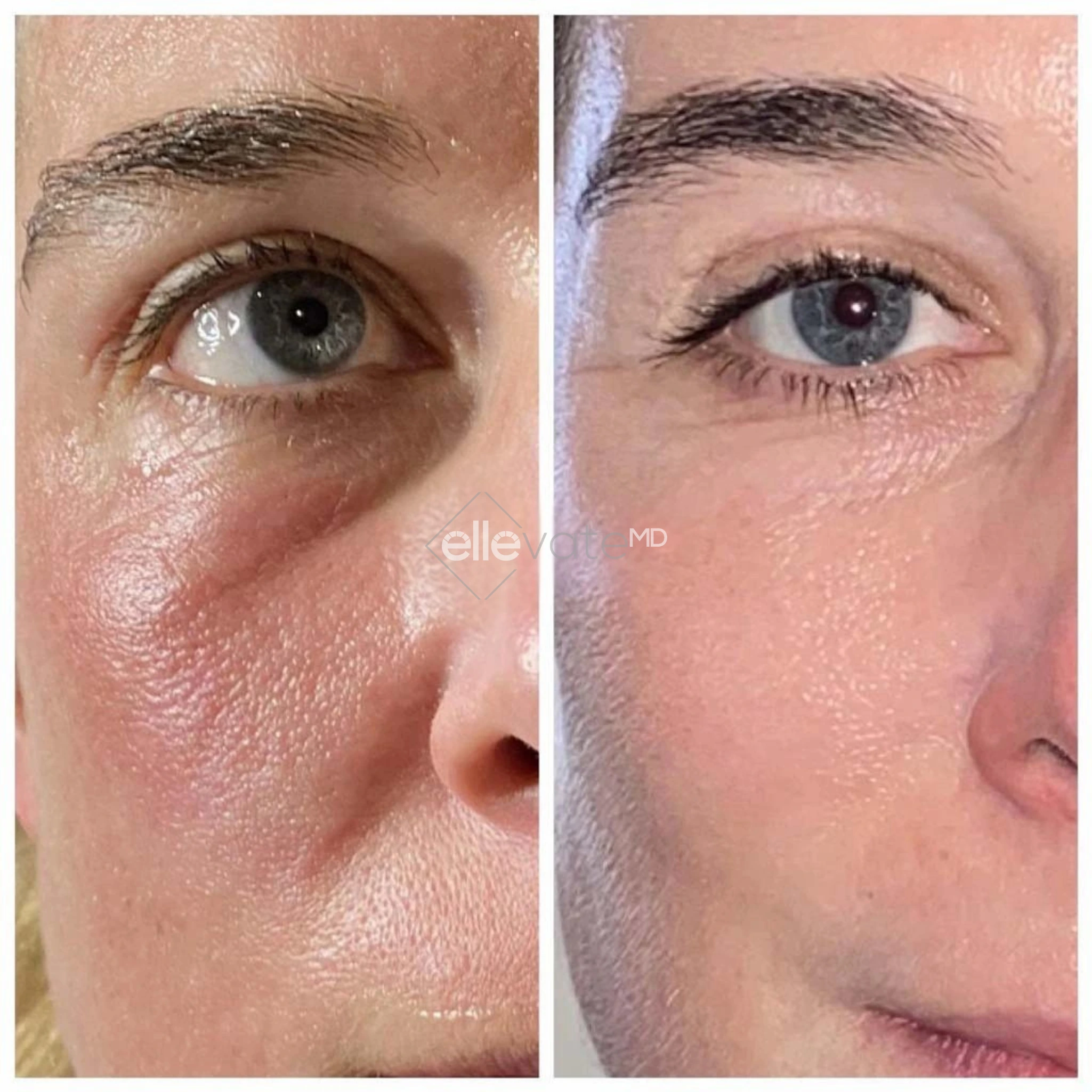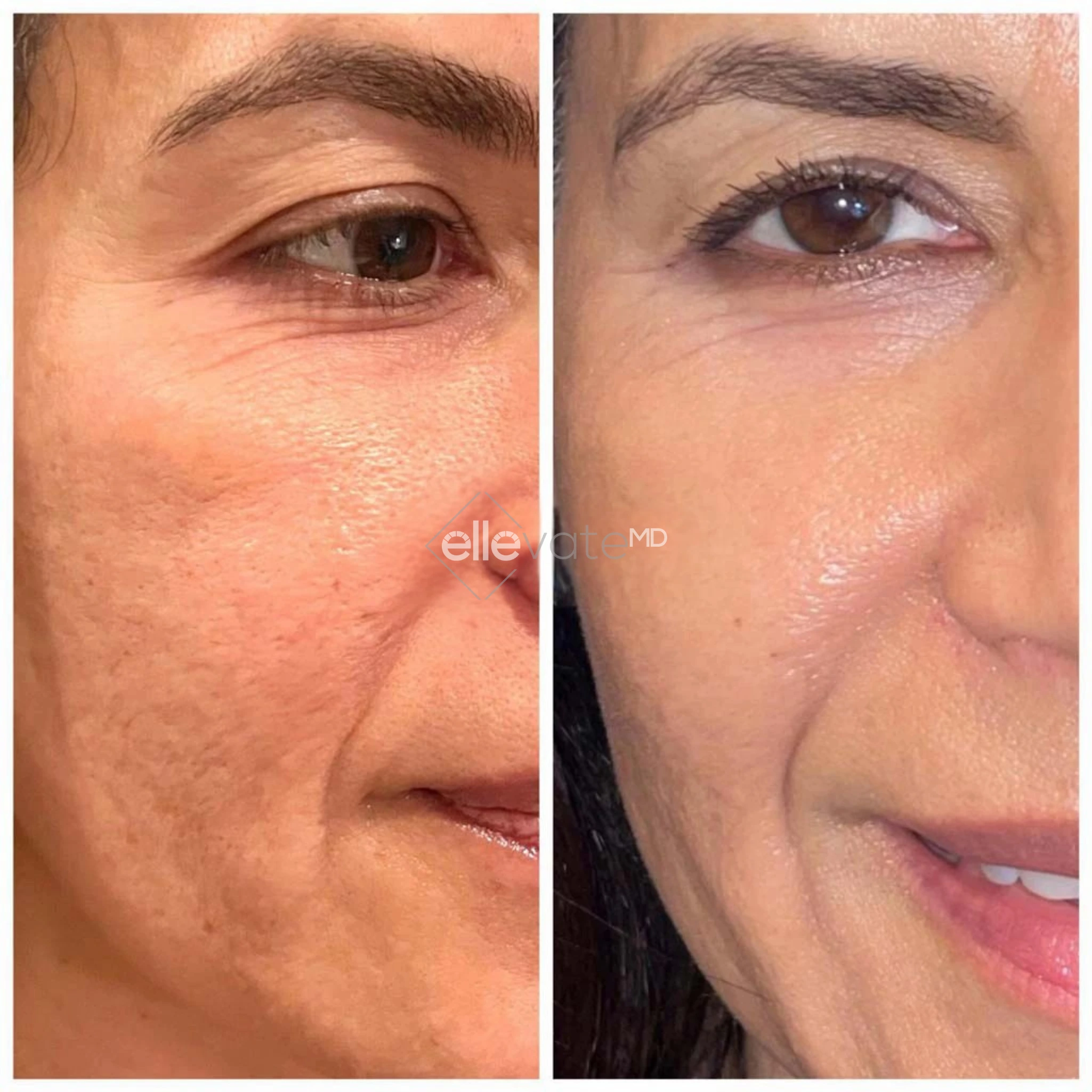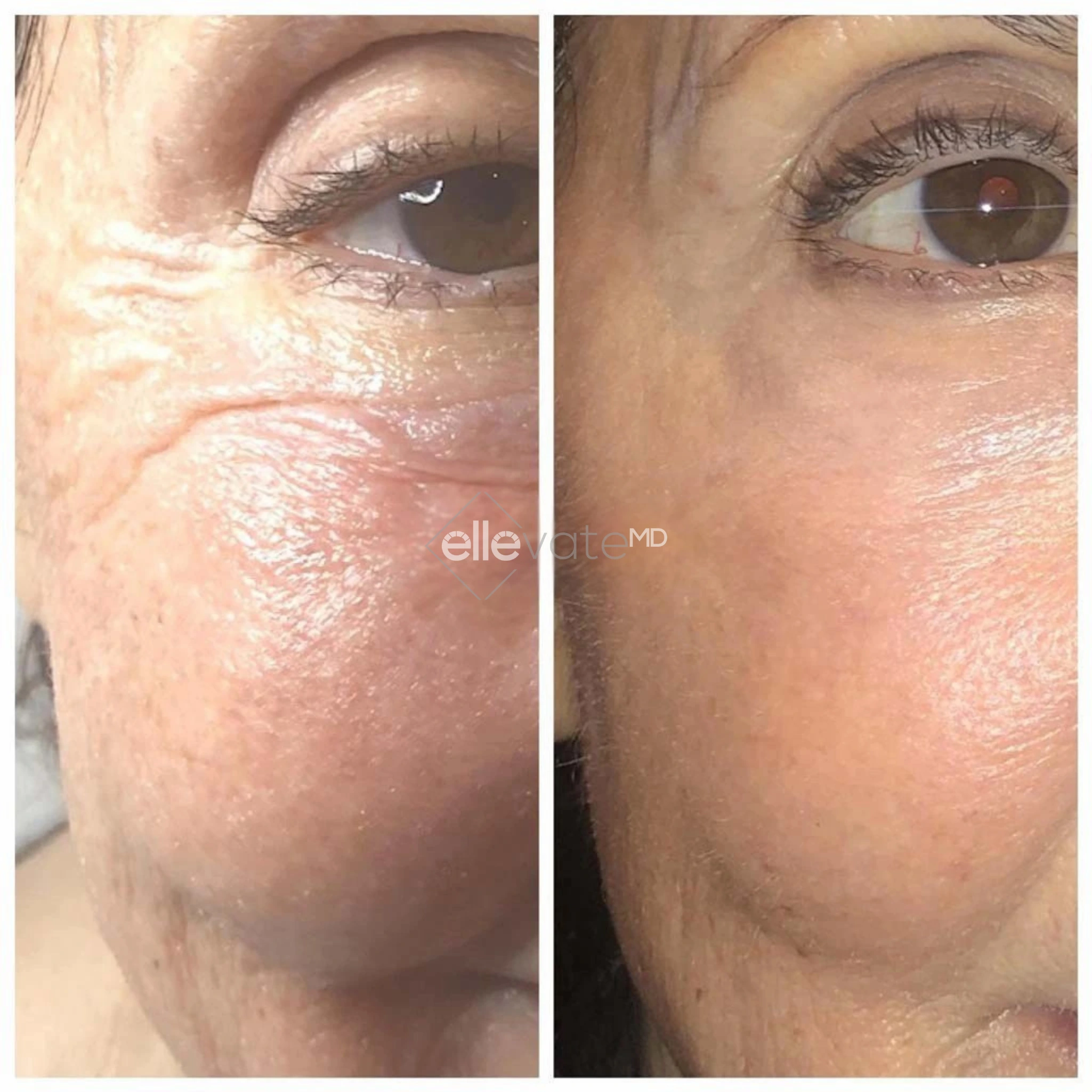
If you are wondering, “Does eyelid surgery hurt?” the short answer is that most patients experience no pain during the procedure, and any discomfort afterward is usually mild and short-lived. Dr. Ann Jayaram, a board-certified oculoplastic surgeon, performs eyelid surgery while you are awake and comfortable using local numbing, so the area is fully anesthetized before anything begins. Her approach is built around precision, patient comfort, and natural-looking results.
Understanding the process is one of the fastest ways to reduce anxiety. As the Bay Area’s eyelid expert, Dr. Jayaram has performed over 7,000 eyelid procedures, perfecting a technique that prioritizes comfort from start to finish.
Eyelid surgery is performed under local anesthesia. You stay awake and relaxed the entire time, and the area is numbed first so you should not feel sharp or painful sensations while Dr. Jayaram works. Her signature “Ellevate Lid Lift” is an in-office procedure that delivers a subtle, natural eye lift with minimal downtime – often completed in about 30 minutes.
The most common sensation people describe is light pressure or tugging rather than actual pain, because the local numbing blocks the nerves before any work begins.
You may feel a small pinch when the numbing is first placed, similar to a dental procedure.
After that, the area goes numb, and you should not feel discomfort.
Being awake means you can communicate with Dr. Jayaram throughout, helping you feel in control and at ease.
Not all eyelid surgery is the same, and the type of procedure can influence how you feel afterward.
Upper Eyelid Surgery: Typically the most comfortable. Performed in-office under local anesthesia, it takes about 30 minutes with minimal downtime, and patients can drive themselves home. Most are cleared to return to their normal routine after their one-week post-op visit.
Lower Eyelid Surgery: Often chosen for eye bag removal, this procedure is more complex. It frequently addresses under-eye bags caused by herniated fat pads and may require deeper sedation in a surgical center. You will feel no pain during the procedure, though the lower lids can feel slightly more sensitive during recovery – still manageable for most patients.
Dr. Jayaram often recommends splitting upper and lower procedures when both are needed, which can make each recovery smoother. During your consultation, she will explain which approach fits your goals.
In the first few days, you may notice some swelling, mild bruising, and a tight, puffy, or slightly dry feeling around your eyes. Vision may be briefly blurry from the antibiotic ointment and initial swelling. Rather than sharp pain, most patients describe the sensation as tired eyes at the end of a long day – or the feeling after a long cry.
You will be sent home with an aftercare kit including antibiotic ointment, ice packs, towels, and gauze.
Cold compresses in the early days help calm swelling.
Keeping your head slightly elevated while resting also speeds up comfort.
Most physical discomfort fades quickly. Soreness, swelling, and bruising typically peak within the first 48 to 72 hours and then improve rapidly over the first week or two. By the one-week post-op visit, many patients feel close to normal and are cleared to return to their routine. Makeup can typically be worn one week after the procedure.
Dr. Jayaram recommends allowing about one month of healing before any major events, such as a wedding, so your eyes can settle into their final, refreshed appearance – not because true discomfort lasts that long.
Sometimes the hardest part of recovery is not physical at all. Seeing swelling and bruising in the mirror during the first week can feel discouraging, even when you are not in real pain. This is completely normal.
Early swelling is temporary and does not reflect your final result. Patients often describe Dr. Jayaram as kind, honest, and reassuring, which makes this part of the journey much easier. If you ever feel worried, reaching out to the office for reassurance can make a real difference.
A comfortable recovery is largely about preparation and following your post-op instructions. Because eyelid surgery causes so little discomfort for most patients, simple, gentle care is usually all that is needed.
Use your cold compresses. Apply the ice packs from your kit religiously in the first 48 hours to reduce swelling and numb the area.
Rest with your head elevated. Sleeping propped on a few pillows helps fluid drain away from your face and reduces puffiness.
Follow your medication guidance. Stop blood thinners such as Advil, Excedrin, and Aleve two weeks before surgery, as instructed. Ask Dr. Jayaram what is safe to use for mild soreness afterward, and use the antibiotic ointment as directed to prevent infection and keep the incisions moisturized.
Take it easy. Avoid strenuous activity or anything that raises blood pressure during the first week, as this can increase swelling and bruising.
Protect your eyes from strain. Limit screen time, reading, and TV in the first days to reduce that tired, dry feeling.
If you are exploring injectables as part of your overall refresh, Dr. Jayaram can discuss those during your visit as well.
While serious discomfort after eyelid surgery is uncommon, it is smart to know when to reach out. Contact the office if you experience:
Pain that is severe or suddenly worsens instead of improving.
Discomfort not relieved by your usual comfort measures.
Changes in your vision beyond the initial blurriness caused by the ointment.
Signs of infection, such as increasing redness, warmth, or discharge.
Anything that simply does not feel right to you.
Dr. Jayaram is known for being accessible, caring, and easy to reach – questions can even be asked by text during business hours. You will also receive clear post-op instructions so you know exactly what is normal.