How to Prepare for Eyelid Surgery

What Is Eyelid Surgery (Blepharoplasty)?
Blepharoplasty is surgery that rejuvenates the skin and tissue around the eyes:
- Upper eyelid surgery addresses drooping lids, heavy hooding, and excess skin that can crowd your peripheral vision or make applying makeup a chore
- Lower eyelid surgery targets under-eye bags and puffiness
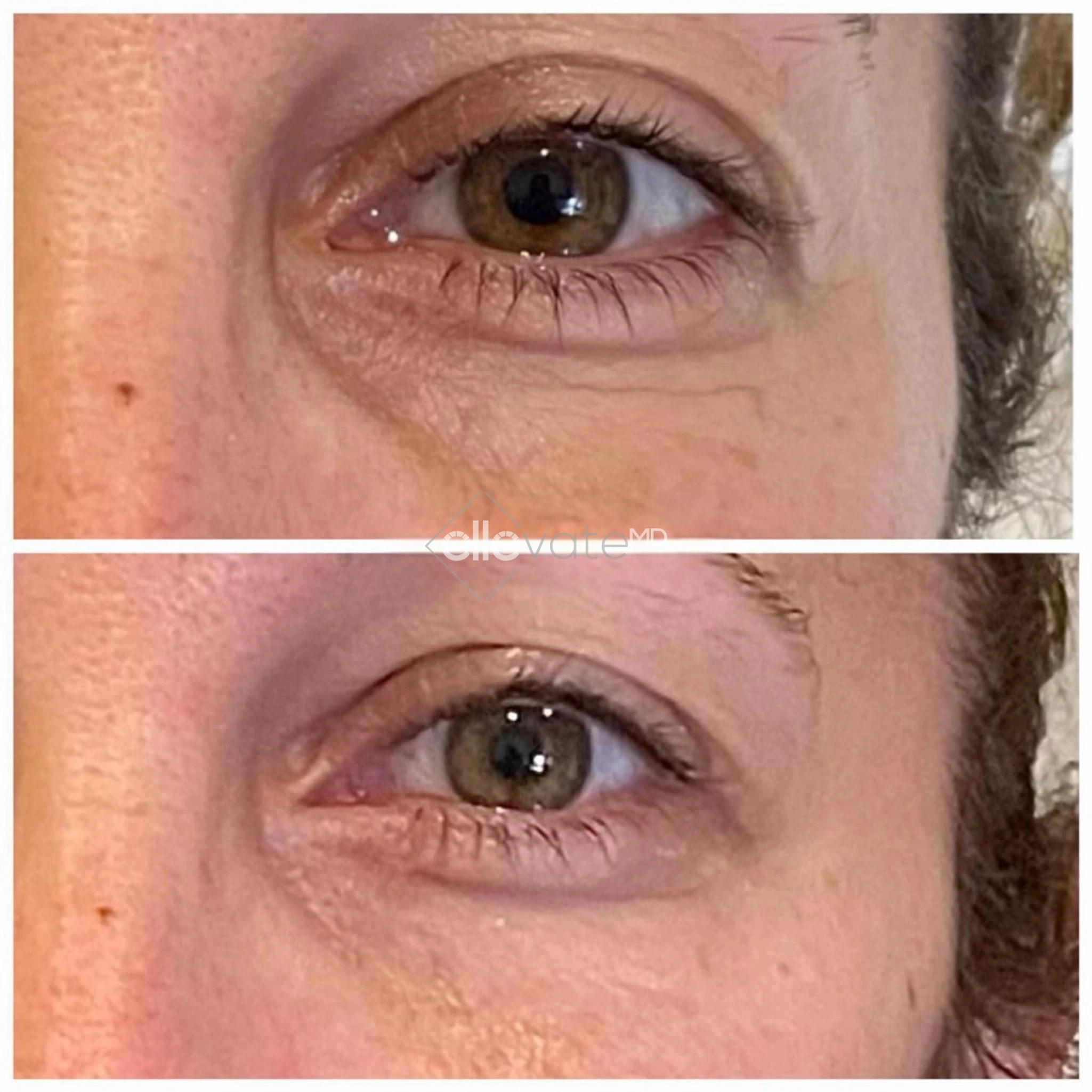
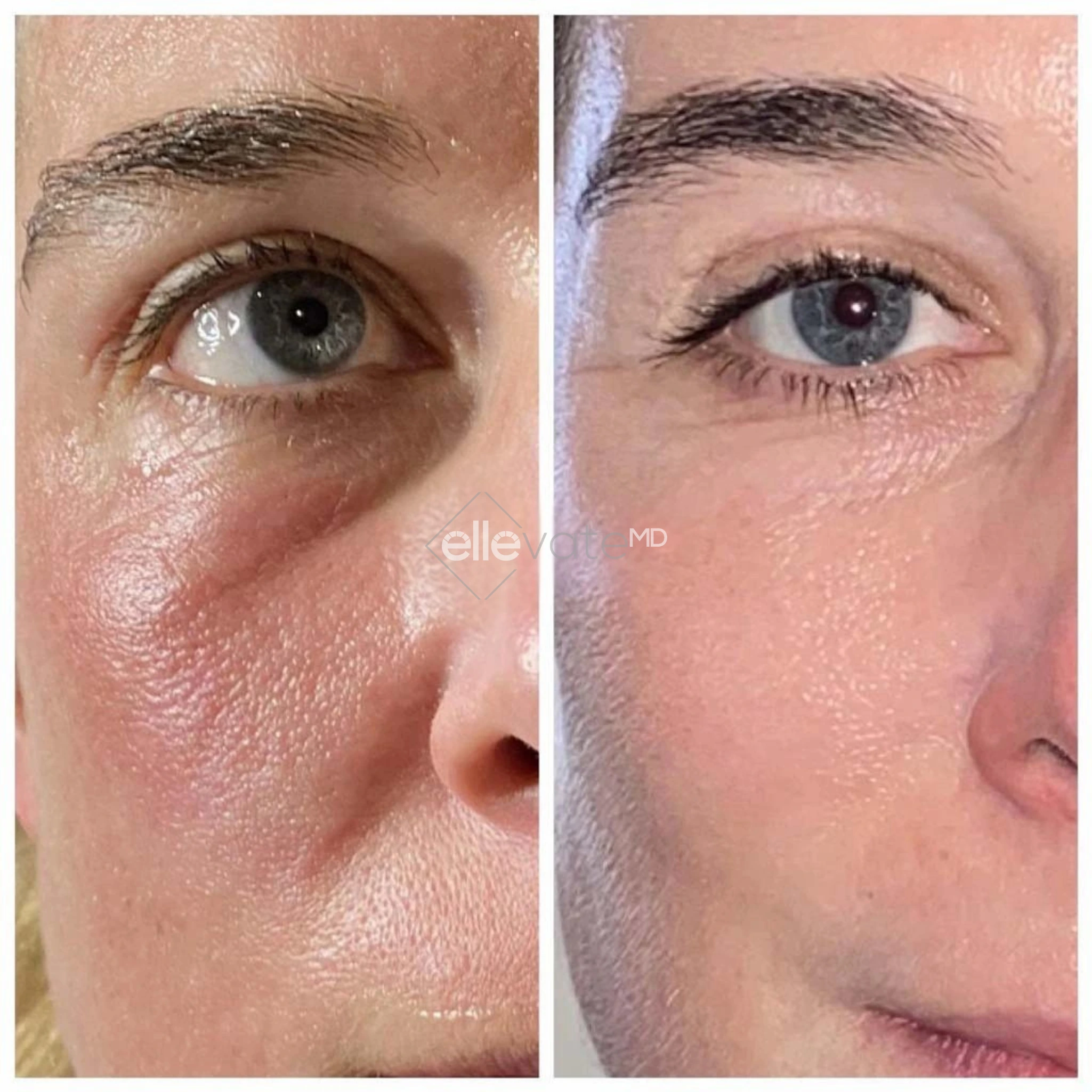
Dr. Ann Jayaram performs her Signature Lid Lift – a 30-minute procedure done under local anesthesia while you stay awake and comfortable. Dr. Ann Jayaram is a board-certified oculoplastic surgeon who has performed more than 7,000 eyelid procedures, and her focus is on results that look like a rested version of you, not a different person.
Why Proper Preparation Matters
Good preparation does three things. It helps your body heal efficiently, keeps your recovery week calm instead of chaotic, and protects your results – swelling and bruising are heavily influenced by what you do in the days leading up to surgery.
Timeline for Preparing for Eyelid Surgery
Three Weeks or More Before Surgery
This is the foundation phase. What you do now shows up in how quickly you heal later.
Stop Smoking
Nicotine narrows blood vessels and slows oxygen delivery to healing tissue.
- Stop smoking and vaping at least three to four weeks before your procedure, and stay off it through recovery
- This includes nicotine patches, gum, and pouches Lead a Healthy Lifestyle
- Aim for seven to eight hours of sleep a night – it’s the cheapest healing tool you have
- Keep moving with light exercise: walking, stretching, easy cardio; avoid starting new strenuous routines
- Cut back on alcohol, which dilates blood vessels and encourages bruising Good Nutrition and Hydration
- Protein builds tissue: lean meats, eggs, fish, beans, Greek yogurt
- Vitamin C from citrus, bell peppers, and berries; vitamin A and leafy greens support immune function and collagen production
- Zinc from nuts and seeds
- Cut back on salt in the final week – sodium encourages fluid retention, and eyelids are one of the first places puffiness shows
- Drink water consistently; well-hydrated tissue bruises less and settles faster
Practice Proper Skincare
Healthy skin heals better. Keep the area around your eyes clean and moisturized, and keep your routine simple: a mild cleanser, a good moisturizer, and daily sunscreen. Sun exposure right before a procedure can leave skin inflamed and more prone to pigment changes.
- Pause retinoids, strong acids, and aggressive at-home devices about two weeks out unless advised differently
- Avoid harsh new products or treatments that could cause irritation
- Discuss any medicated creams or serums with Dr. Ann Jayaram at your consultation
Report Any Changes with Your Eyes
Tell our team right away if you notice:
- Dry eye symptoms, redness, irritation, a stye or chalazion, or blurred vision
- Any new eye condition, contact lens problems, or a recent prescription change
- A cold, flu, other illness, or skin infection – it may be necessary to reschedule to ensure you’re in optimal health Small issues are easy to address when they’re mentioned early.
Two Weeks Before Surgery
Stop Taking Certain Medications and Supplements
Two weeks out is the cutoff for blood thinners. This single step does more to reduce bruising than anything else on the list.
Bring a full list of everything you take – prescriptions, over-the-counter products, vitamins, and herbal supplements – to your consultation. Never stop a prescribed medication on your own. If you take a prescription blood thinner, such as Warfarin (Coumadin) or Plavix, Dr. Ann Jayaram will coordinate with your prescribing physician to create a safe plan.
Medications to Avoid
Unless you’ve been told otherwise, stop these two weeks before your procedure:
- Aspirin and aspirin-containing products, such as Excedrin
- Ibuprofen products, including Advil and Motrin
- Naproxen products, such as Aleve
- Vitamin E and fish oil or omega-3 supplements
- Ginkgo biloba, ginseng, garlic supplements, and turmeric in high doses
- Green tea extract and high-dose vitamin C supplements
Acetaminophen (Tylenol) is generally the go-to alternative for headaches or minor aches during this window – confirm with our office first.
Also skip alcohol, and hold off on any Botox or fillers appointments near your surgery date unless Dr. Ann Jayaram has planned them as part of your overall treatment.
One Week Before Surgery
Fill Your Prescriptions
Pick up anything Dr. Ann Jayaram has prescribed – such as an antibiotic or pain medication – now, not the day before. Read the labels while you’re clear-headed, and store everything in one spot with your written post-op instructions so you’re not hunting for a bottle while your eyes are swollen.
You’ll receive post-op instructions and consent forms in advance. Read them all the way through this week and write down any questions – you can text or call our office at (650) 200-8633 during business hours.
Shop for Necessary Post-Surgery Items
Good news: the all-inclusive cost of our Signature Lid Lift covers the essentials, including antibiotic ointment, ice packs, gauze, and towels. Here is a list of things worth having at home:
A bag of frozen peas or a second set of soft cold packs to rotate
Preservative-free artificial tears, if recommended
Button-front shirts and zip-up hoodies you don’t have to pull over your head
Dark sunglasses and a wide-brimmed hat for light sensitivity outdoors
Easy-to-prepare meals, low-sodium snacks, and a water bottle you can reach from the couch
Audiobooks, podcasts, or music playlists, since reading and screens are tiring early on
Clean pillowcases and towels
Stock up now so week one is about rands.
The Day Before Surgery
With several effective options available, selecting the right one can feel overwhelming. The decision should always be made in partnership with a qualified specialist who understands the intricate anatomy of the periorbital area
Pack Your Bag for Surgery Day
Keep it simple: your ID, any required paperwork, your medication list, phone and charger, prescriptions, dark sunglasses, a hair tie, and lip balm. Set out your clothes so morning-of decisions are already made
Final Pre-Op Instructions
- Follow your eating and drinking instructions exactly
- Wash your face and hair the night before; remove all makeup, especially eye makeup, and skip lotions, serums, and self-tanner
- Take out contact lenses and plan to wear glasses
- Confirm your arrival time and your ride if you need one, then go to bed early for a good night’s sleep
The Day of Surgery
What to Bring and Wear
- Comfortable, loose clothing that buttons or zips in front
- No facial makeup, moisturizer, lotion, cream, or perfume
- Leave jewelry – including earrings and necklaces – and valuables at home
- Bring your glasses instead of contacts, plus sunglasses for the trip home
Arriving for Your Procedure
Our office is at 3401 El Camino Real in Atherton. Give yourself extra time for traffic so you arrive unhurried and final preparations aren’t rushed. Once you’re checked in, Dr. Ann Jayaram will review the plan with you, then the area around your eyes will be cleansed and numbed.
Conclusion: Setting Yourself Up for a Successful Eyelid Surgery Experience
Knowing how to prepare for eyelid surgery comes down to a handful of steps done on time: stop nicotine and blood thinners early, eat and hydrate well, fill prescriptions ahead, ready your home, and follow the instructions Dr. Ann Jayaram gives you. Because procedures at ellevateMD are usually scheduled two to three weeks after your consultation, you’ll have a clear runway to get everything done without rushing.
Your commitment to preparation, combined with Dr. Ann Jayaram’s surgical artistry, is the formula for a refreshed, natural result. Call ellevateMD at (650) 200-8633 to book your consultation, or learn more about Dr. Ann Jayaram first.