When Can I Wear Mascara After Blepharoplasty?

Decorative rose gold diamond divider

When Can I Wear Mascara After Blepharoplasty?
Decorative rose gold diamond divider
When Can I Wear Mascara After Blepharoplasty? Banner

Medically reviewed by Dr. Ann Jayaram, MD, board-certified oculoplastic surgeon. Last updated October 28, 2026.

Blepharoplasty, or eyelid surgery, is a popular cosmetic treatment designed to rejuvenate the appearance of the eyes by removing excess skin, fat, or muscle from the upper or lower eyelids. As patients heal after this surgical procedure, it’s natural to wonder about returning to their favorite beauty rituals, especially wearing eye makeup. Mascara, in particular, can make a dramatic difference in your look, but it’s essential to prioritize healing to ensure optimal results.

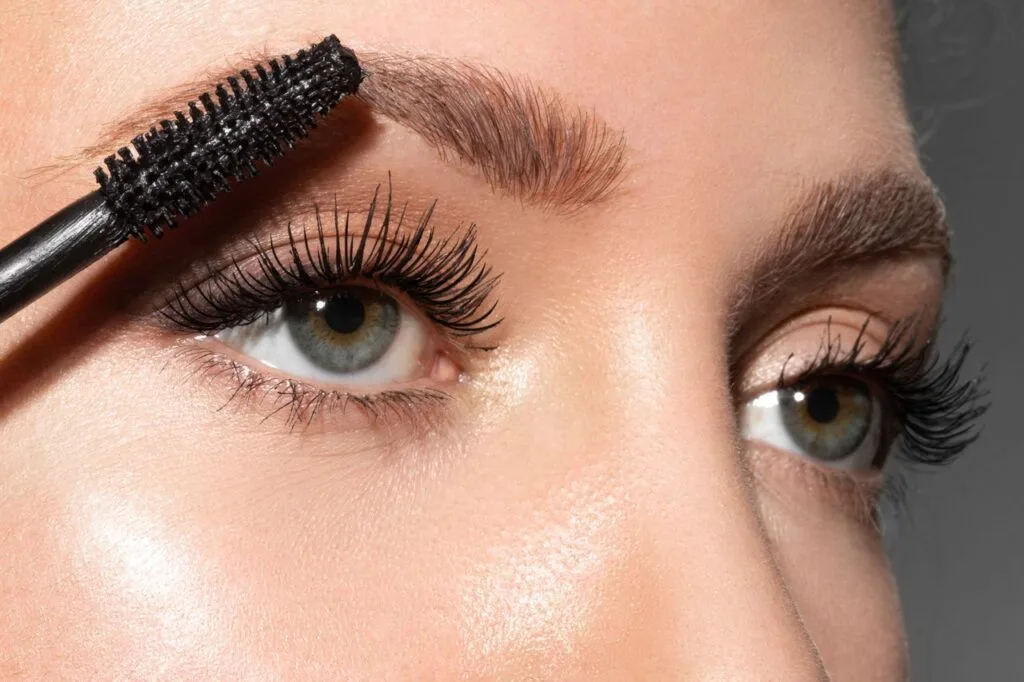
So, when can I wear mascara after blepharoplasty? Most patients are advised to wait approximately 2 to 3 weeks before applying mascara, but this can vary depending on your healing process and surgeon’s instructions. Always follow your doctor’s guidance to protect your results and maintain eye health.

Before & After Gallery

Curious about real patient outcomes? View remarkable eyelid transformations in our Blepharoplasty Video Gallery. See before-and-after photos to better understand the results you can expect following blepharoplasty surgery.

Overview of Eyelid Surgery and the Recovery Process

Blepharoplasty is a popular surgical technique that addresses sagging eyelids, under-eye bags, or drooping skin that may affect appearance and sometimes vision. The procedure can be performed on the upper eyelids, lower eyelids, or both. Many patients seek blepharoplasty to achieve a brighter, more youthful look around the eyes. Learn more about the procedure on the blepharoplasty overview page.

Recovery varies from person to person, but here’s what you can generally expect:

  • First few days: Swelling and bruising peak, while cold compresses help manage discomfort.
  • First week: Stitches, if present, are usually removed within 5–7 days. Visible swelling and bruising begin to subside.
  • Two weeks: Most bruising resolves, and swelling continues to decrease.
  • Three weeks and beyond: Eyelids look and feel more natural; most patients resume applying makeup, including mascara, if healing is complete.

Factors Affecting Makeup Use After Blepharoplasty

Several aspects affect the timing for resuming mascara:

  • Type of blepharoplasty: Upper, lower, or both eyelids.
  • Individual healing response: Age, skin type, and general health.
  • Surgical technique: Suture placement and extent of tissue removal.
  • Postoperative care: Whether you follow aftercare instructions closely.
  • Harmful habits: Rubbing or tugging may disrupt healing or lead to scarring.
Blepharoplasty often leaves skin more vulnerable during recovery, especially for delicate skin. Using makeup too soon can cause skin irritation, introduce bacteria, or hinder proper healing.
When Can I Wear Mascara After Blepharoplasty?
So, exactly when can I wear mascara after blepharoplasty? Most surgeons recommend waiting at least 2 to 3 weeks, ensuring that:
  • Incisions are fully closed
  • Swelling and bruising have significantly subsided
  • There are no signs of infection or irritation
Every individual heals at a different pace. Some may be ready sooner, while others need more time. Adhering to your surgeon’s specific recommendations is crucial for optimal recovery.

You may be ready for mascara when:

  • Incisions are no longer tender, red, or swollen
  • There is no oozing, crusting, or scabbing
  • Skin feels smooth and intact over the surgical area

Before reaching for your makeup bag, schedule a follow-up with your surgeon. Dr. Ann Jayaram, MD, will evaluate your healing and provide personalized advice on when you can wear mascara after blepharoplasty, tailored to your unique recovery journey.

Safe Makeup Practices Post-Blepharoplasty

Opt for water-based, hypoallergenic mascaras to minimize potential irritation. Avoid waterproof formulas, which can be harder to remove and may require rubbing — something you want to avoid on healing eyelids. Our recommendations:
  • Use a clean, new mascara wand to prevent bacterial contamination.
  • Apply mascara gently, starting at the tips of your lashes and avoiding the roots near the incision line.
  • Choose a gentle, oil-free eye product for makeup removal.
  • Use soft cotton pads and avoid scrubbing; gently press and wipe away makeup.
  • Never use expired or shared products.
  • Limit eye makeup to mascara first; avoid eyeliner and eyeshadow until fully healed.
  • Clean all makeup brushes and tools thoroughly before each use.
  • Be very careful when removing makeup.

Other Tips for Safely Applying Eye Makeup After Surgery

  • Begin with the least amount of product necessary to achieve your desired look.
  • Select products labeled as hypoallergenic and fragrance-free. These are less likely to cause adverse reactions on sensitive skin.
  • Skip glitter, fiber mascaras, and thick or waterproof formulas. These can flake, migrate into the eyes, or require aggressive removal.

If you want to conceal residual bruising, use a lightweight, non-comedogenic concealer applied with a clean brush or sponge — never on open wounds or scabs. For more aesthetic options, see JetPeel Pro treatments for gentle skin rejuvenation.

Alternatives to Mascara During Recovery

Once fully healed and cleared by Dr. Ann Jayaram, alternatives like brow lamination or lash tinting can provide definition without daily mascara application. Always consult your surgeon before booking these services.

Many patients love their refreshed, natural look after blepharoplasty. Embrace your results — sometimes, less is truly more. Explore real outcomes in the before-and-after gallery.
Mascara can introduce bacteria if used too soon or improperly, leading to infection or delayed healing. Always wait until your surgeon confirms it is safe.

What Other Eye Makeup Should I Avoid?

Hold off on eyeliner, eyeshadow, and eyelash glue until your eyelids heal. These products can be more irritating and more challenging to remove than mascara. For more eye makeup tips after eyelid surgery, speak with your provider about when and how to safely reintroduce products into your routine.
Use only new, clean makeup products. Wash your hands before touching your face; never share eye makeup with others.

When Can I Return to My Full Beauty Routine?

Most patients resume their complete beauty regimen — including all types of eye makeup and skin care — about 3 to 4 weeks after blepharoplasty. However, always follow Dr. Ann Jayaram’s guidance for your case. She will provide expert recommendations about when it is safe to wear makeup after eyelid surgery.

Blepharoplasty Care With Dr. Ann Jayaram at EllevateMD

At EllevateMD, Dr. Ann Jayaram offers personalized care before, during, and after eyelid lift. Her expertise ensures you receive clear, customized advice on when you can wear mascara after blepharoplasty, how to protect your results, and the safest ways to return to your beauty routine. Explore patient transformations and see what sets EllevateMD apart in eyelid aesthetics.

Taking the proper steps after blepharoplasty means you’ll enjoy a smooth recovery and beautiful, lasting results. With patience and the guidance of Dr. Ann Jayaram, you can safely start wearing eye makeup you love when the time is right for you.

Frequently Asked Questions

No, eye makeup should wait until well after your stitches are out. Non-dissolvable stitches are usually removed within 5 to 7 days, but most patients are advised to wait about 2 to 3 weeks before mascara, until the incisions are fully closed and there is no oozing, crusting or redness. Your surgeon confirms when you are ready.

A water-based, hypoallergenic and fragrance-free mascara is the safest choice once you are cleared. Avoid waterproof and fiber formulas, since they can flake into the eyes or need rubbing to remove. Start with a brand new tube and wand to lower the risk of bacteria, and apply it from the tips of the lashes, away from the incision line.

Remove mascara gently with an oil-free eye makeup remover and soft cotton pads, pressing and wiping instead of scrubbing. Avoid pulling on the eyelids. If you notice redness, swelling or irritation after removing makeup, stop using all products and contact your care team.

Yes, a lightweight, non-comedogenic concealer can cover leftover bruising, but never apply it to open wounds or scabs. Use a clean brush or sponge and the smallest amount of product you need. Most bruising fades by about two weeks, so you may need less coverage than you expect.

Wait until your eyelids are fully healed and your surgeon clears you. Eyelash glue is more irritating and harder to remove than mascara, so it should be held off during recovery. Once you are healed, Dr. Ann Jayaram can advise on lash tinting or brow lamination as ways to add definition without daily mascara.

About the author

Dr. Ann Jayaram, MD is a board-certified ophthalmologist and fellowship-trained oculoplastic surgeon at Ellevate MD in Atherton, California. She studied at Stanford, earned her MD with honors in research at Loyola, completed her ophthalmology residency at Northwestern and her oculoplastic surgery fellowship at Tufts Medical Center New England Eye Center. She has performed more than 7,000 eyelid and eye procedures. Read more about Dr. Jayaram.

Dr. Ann Jayaram
April 30, 2025
The Iconic Ellevate Glow — 10-step facial, $300 introductory pricing (reg $400). Book now.