Can You Get Botox While Pregnant? Important Considerations to Know

Can You Get Botox While Pregnant? Important Considerations to Know
Table of contents
1.
2.
5.
6.
7.
8.
Pregnancy brings many changes to your body, and you might be wondering about the safety of various cosmetic treatments during this time. While wrinkles and fine lines don’t take a break during your nine months of pregnancy, most medical professionals and the manufacturer of Botox strongly recommend avoiding this treatment while you’re expecting. The primary concern is that there isn’t enough research to definitively prove the safety of these injections for developing babies, so the medical community advises pregnant women to err on the side of caution and postpone cosmetic procedures until after delivery.
Understanding Botox Injections
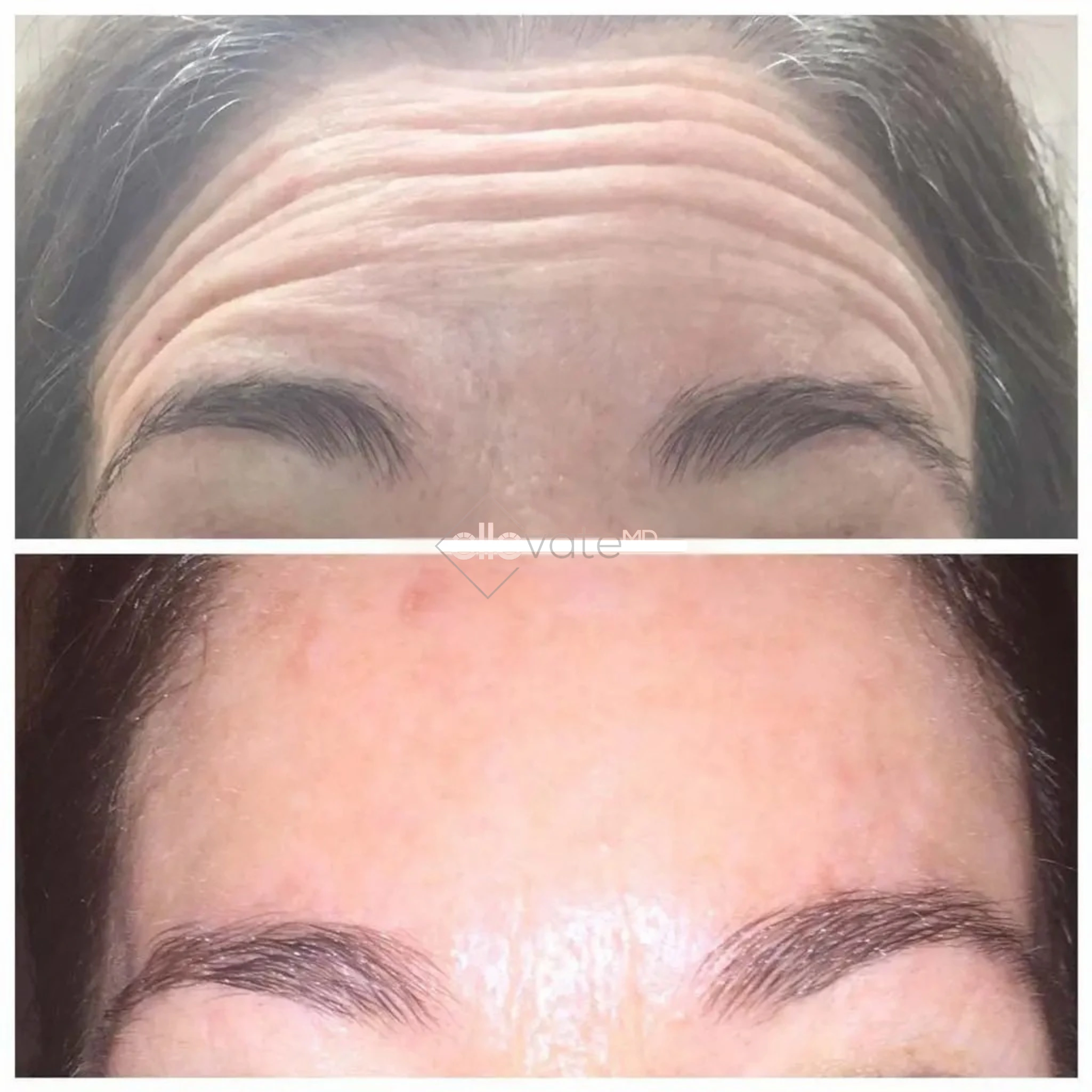
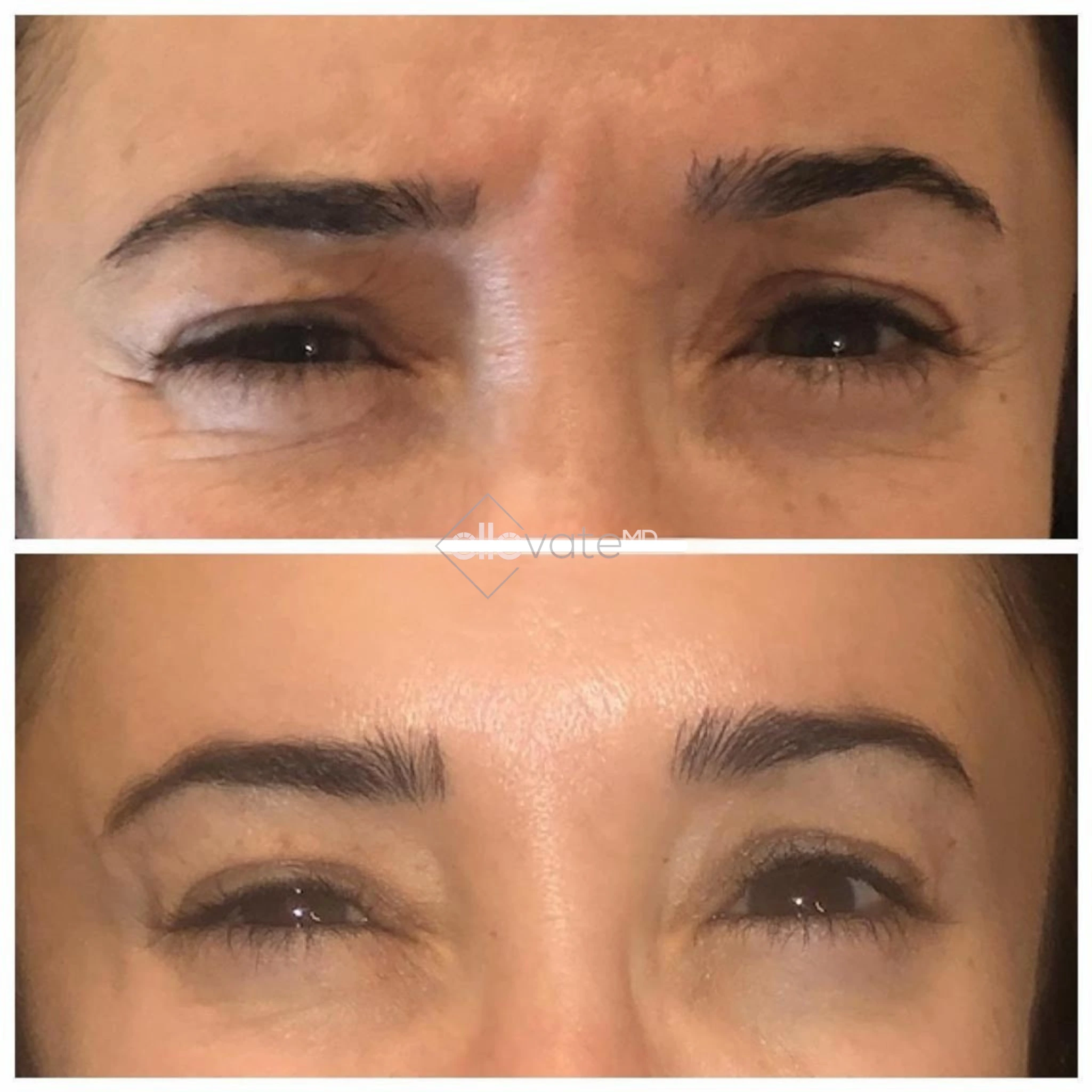
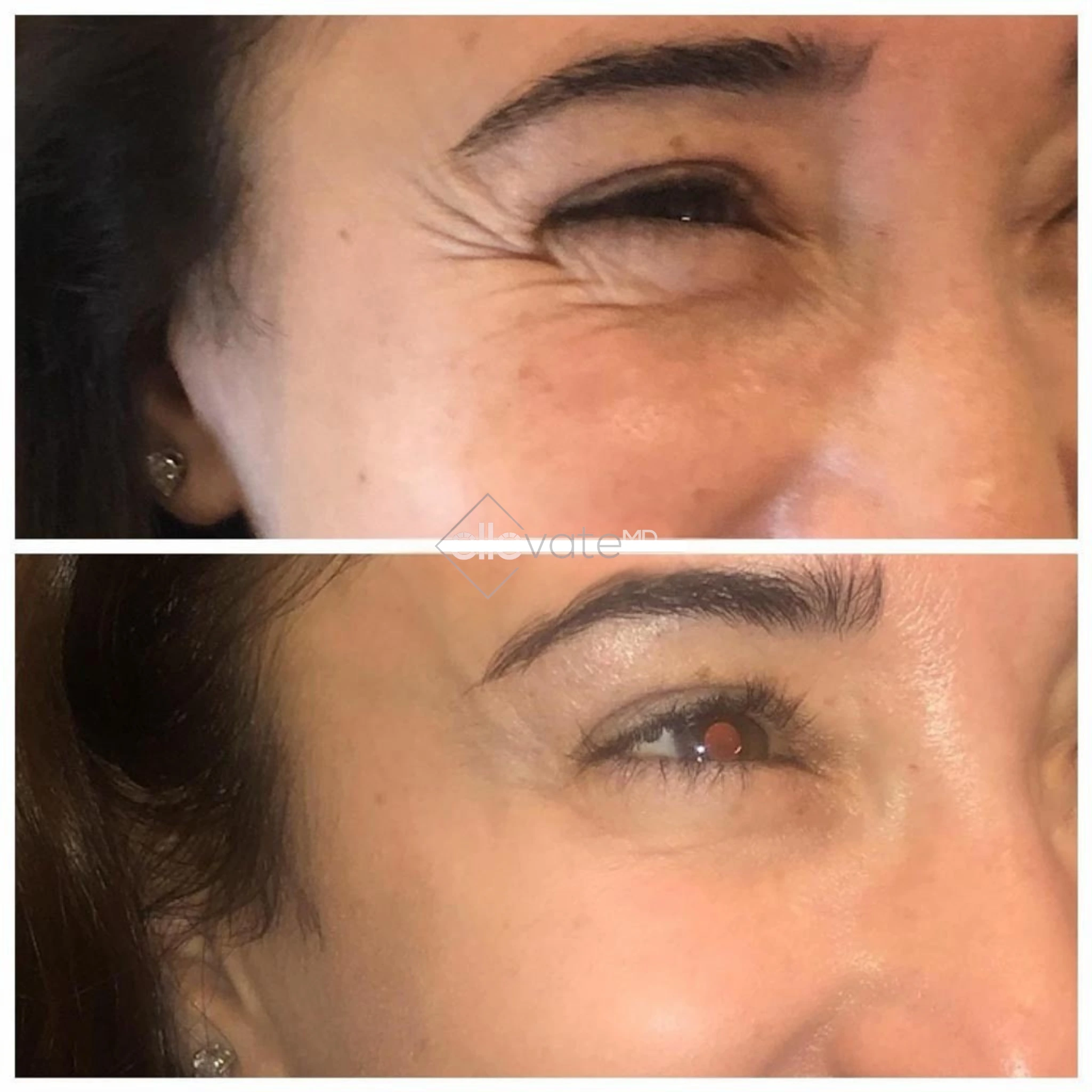
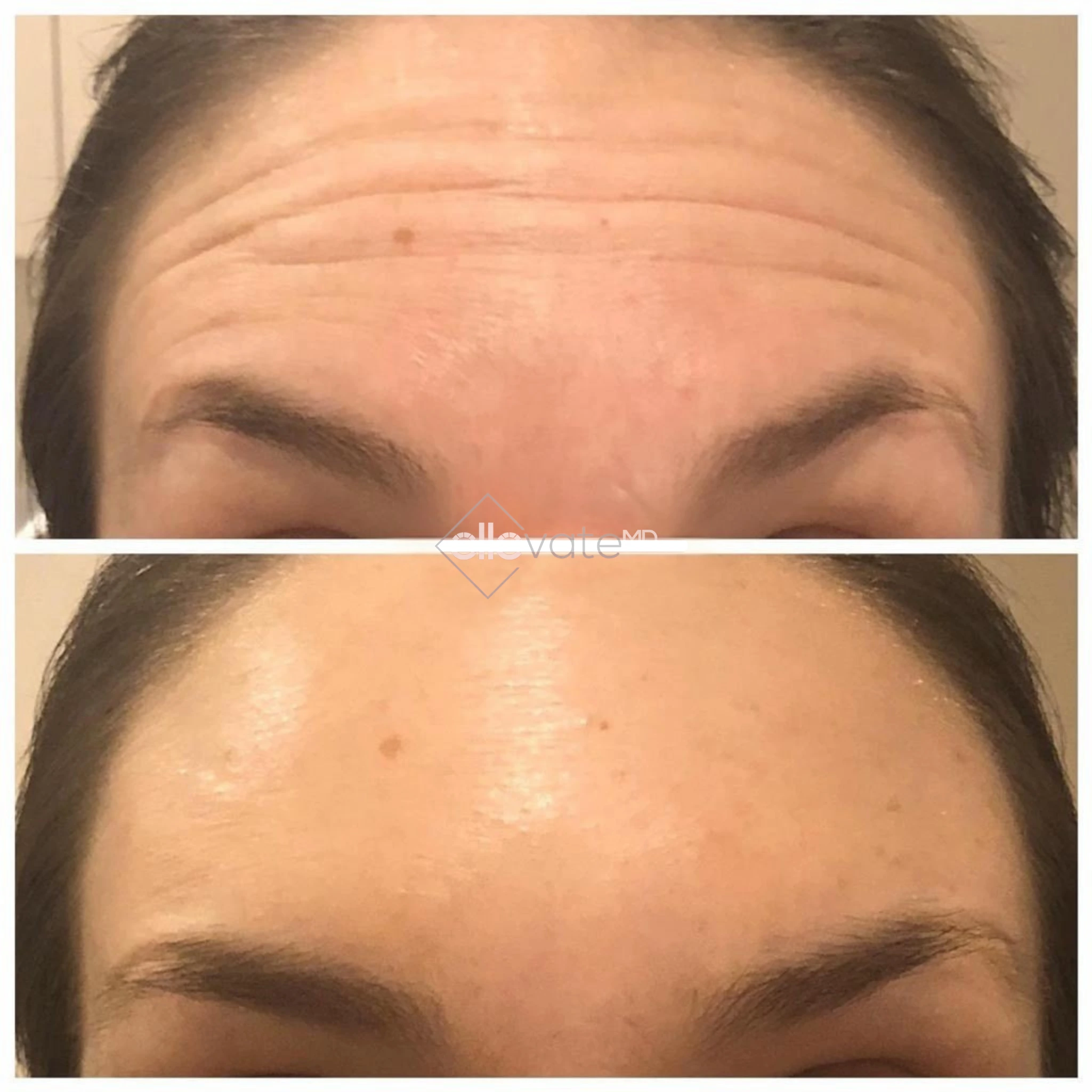
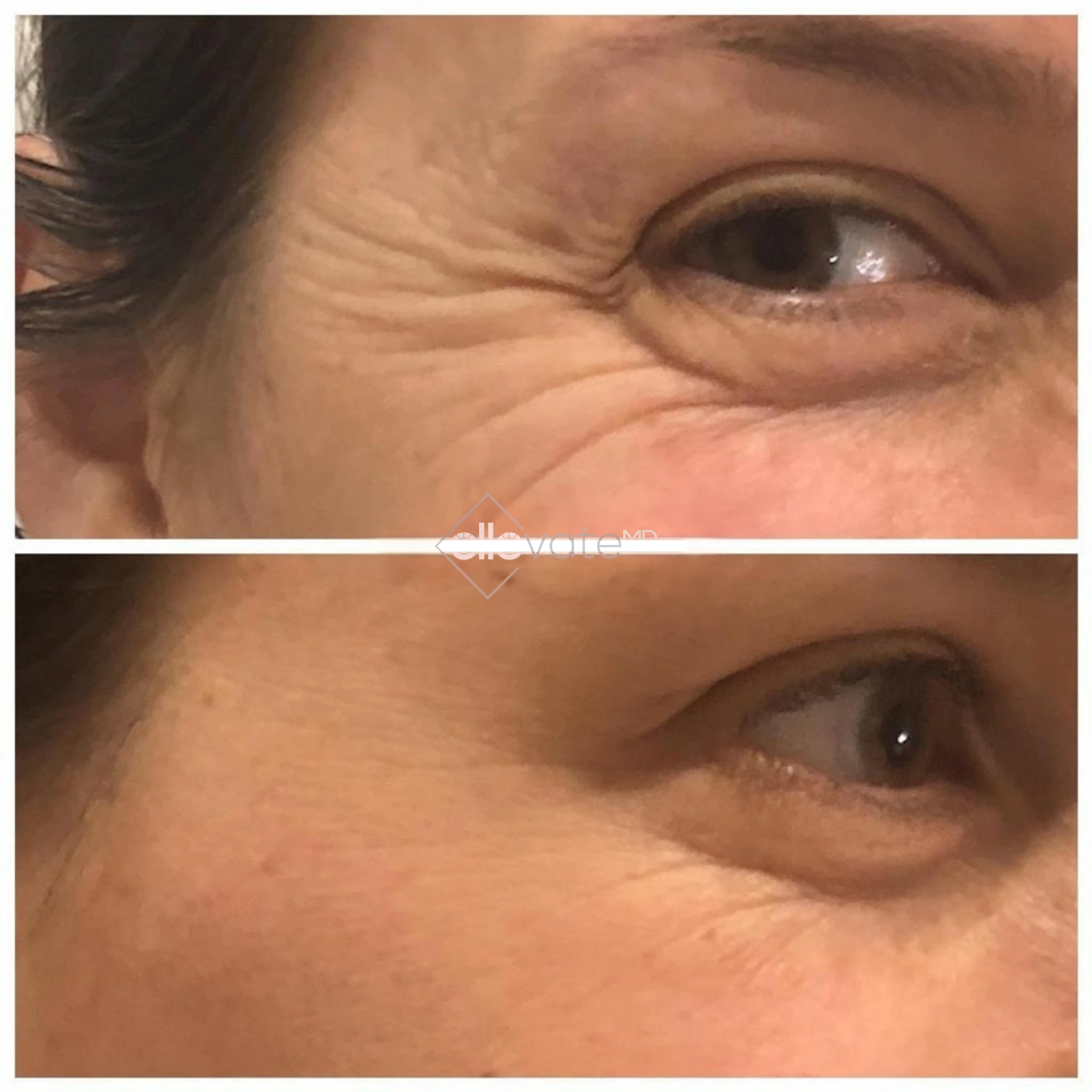
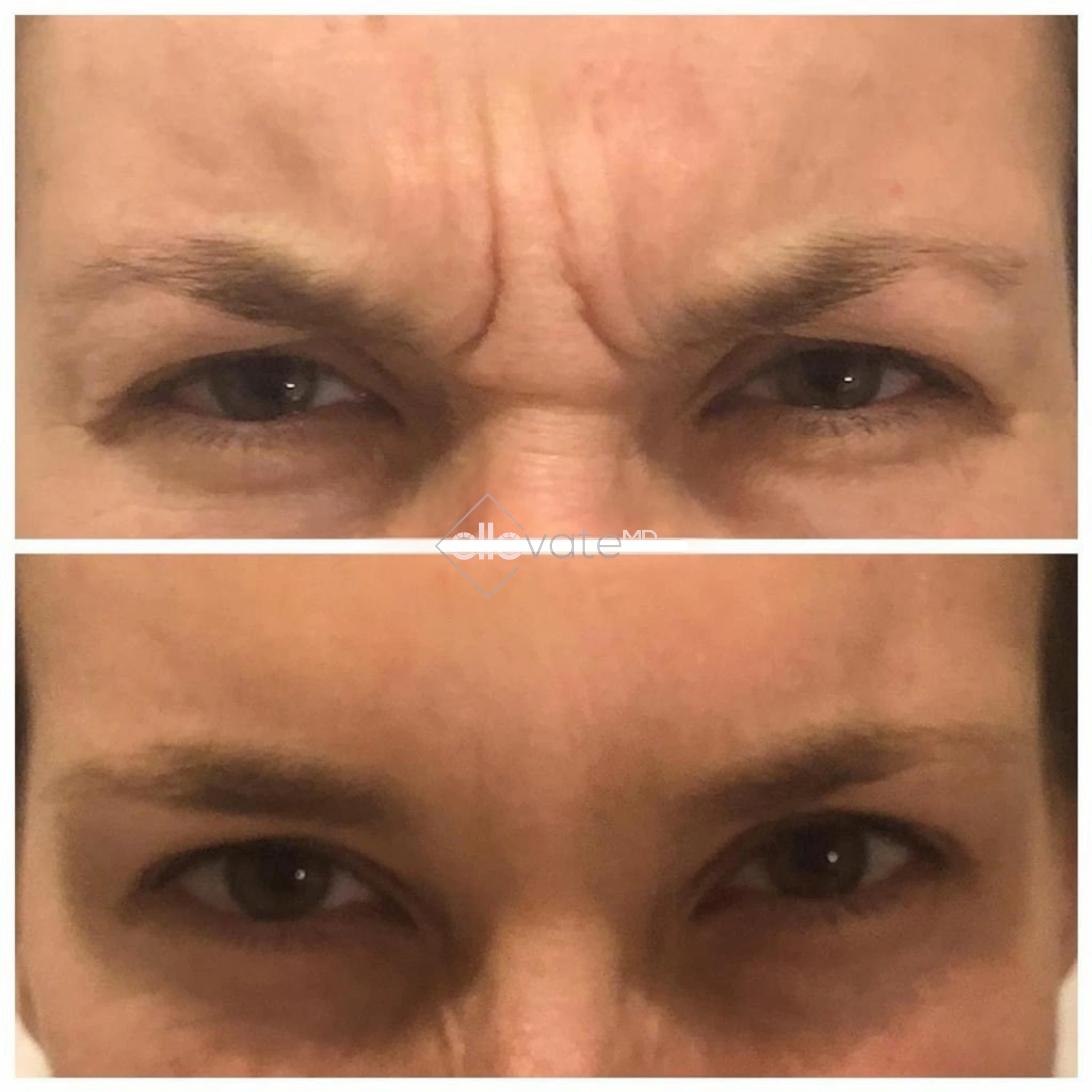
Botox injections have become one of the most popular cosmetic treatments worldwide, with millions of procedures performed each year. The treatment involves injecting a purified form of botulinum toxin into specific facial muscles to temporarily reduce the appearance of wrinkles and fine lines. When administered by a qualified professional, Botox works by blocking nerve signals to the targeted muscles, causing them to relax and creating a smoother, more youthful appearance.
The effects typically last three to six months, after which the treatment needs to be repeated to maintain results. Common treatment areas include forehead lines, crow’s feet around the eyes, and frown lines between the eyebrows. While Botox is widely considered safe for the general population when performed correctly, pregnancy changes the equation significantly.
Why Medical Professionals Advise Against Botox During Pregnancy
The medical community’s stance on Botox use during pregnancy is clear and consistent: it’s best to avoid it. This recommendation isn’t based on proven harm but rather on the absence of comprehensive safety data. Animal studies have shown potential risks, but there haven’t been adequate well-controlled studies in pregnant women.
The concern centers on whether botulinum toxin could potentially cross the placental barrier and affect fetal development. While the toxin is injected in very small, localized doses for cosmetic purposes, the potential for any substance to impact a developing baby leads medical professionals to recommend postponement. Additionally, pregnancy already brings hormonal changes that can affect your skin, muscle tone, and overall appearance, so any cosmetic improvements might be temporary or unpredictable during this time.
The manufacturer of Botox explicitly states that the treatment should not be used during pregnancy unless the potential benefit justifies the potential risk to the fetus. Given that cosmetic Botox is elective and not medically necessary, this risk-benefit analysis almost always favors waiting until after pregnancy.
Exploring the Connection Between Botulinum Toxin and Birth Defects
One of the primary concerns about using botulinum toxin during pregnancy relates to the possibility of birth defects. While there isn’t extensive human data on this topic, animal studies have raised some red flags. Research conducted on pregnant animals exposed to botulinum toxin showed increased rates of developmental problems and pregnancy complications when doses significantly higher than typical cosmetic amounts were used.
However, it’s important to note that these animal studies used doses much larger than what’s administered for cosmetic purposes. The lack of robust human studies means we can’t definitively say whether the small amounts used in typical Botox treatments pose a real risk. This uncertainty is precisely why healthcare providers recommend avoiding the treatment altogether during pregnancy.
Some women have inadvertently received Botox injections in early pregnancy before realizing they were expecting. If this happens to you, it’s important not to panic. Contact your healthcare provider immediately to discuss your situation. They can monitor your pregnancy appropriately and provide reassurance based on current medical knowledge. The risk from a single treatment is likely very small, but ongoing monitoring is still advised.
When You Can Consider Botox Postpartum
After giving birth, many women are eager to return to their pre-pregnancy beauty routines, including cosmetic treatments like Botox. However, the timeline for safely resuming these treatments depends on several factors, particularly whether you’re breastfeeding. If you’re not nursing, most healthcare providers give the green light to resume Botox treatments relatively soon after delivery, once you’ve recovered from childbirth and feel ready.
The postpartum period can be an ideal time to address new wrinkles or lines that may have appeared during pregnancy, especially if stress, sleep deprivation, and hormonal changes have taken a toll on your skin. Many women find that treating themselves to a cosmetic procedure can provide a welcome confidence boost during the demanding early months of motherhood.
Before scheduling your appointment, make sure you’ve discussed your plans with your healthcare provider. They can help you determine the right timing based on your individual health situation, delivery experience, and recovery progress.
Is Botox Safe for Breast Milk?
Whether Botox is safe to use while breastfeeding remains another area of uncertainty. The primary concern is whether botulinum toxin can pass into breast milk and potentially affect a nursing infant. Currently, there isn’t sufficient research to definitively answer this question, which is why most medical professionals recommend that breastfeeding mothers also postpone Botox treatments.
The manufacturer’s guidelines state that it’s unknown whether the toxin is excreted in breast milk. Given this lack of data and the fact that even small amounts of substances can potentially transfer to babies through nursing, the conservative approach is to wait until you’ve finished breastfeeding before resuming cosmetic Botox treatments.
For women who are breastfeeding and considering Botox, the decision should involve careful discussion with both your healthcare provider and your child’s pediatrician. Some mothers choose to wait until their baby has started solid foods and is nursing less frequently, while others prefer to wait until they’ve completely weaned. There’s no universally correct answer, but the principle of minimizing any potential risk to your baby should guide your decision.
Safe Alternatives to Consider for Cosmetic Purposes
If you’re looking for ways to address skin concerns during pregnancy, there are several safer alternatives to Botox for cosmetic purposes. Pregnancy-safe skincare routines can make a significant difference in your skin’s appearance without any risk to your baby. Focus on gentle, hydrating products with ingredients like hyaluronic acid, vitamin C, and glycerin.
Facial massage and exercises can help promote circulation and may temporarily reduce the appearance of fine lines. Many women find that maintaining proper hydration, getting adequate sleep when possible, and eating a nutrient-rich diet all contribute to healthier-looking skin during pregnancy. While these approaches won’t replicate the dramatic effects of Botox, they can help you feel more confident about your appearance.
It’s worth noting that some other cosmetic treatments should also be avoided during pregnancy. Procedures like chemical peels with certain acids, laser treatments, and other injectable fillers may pose similar concerns. Always consult with your healthcare provider before trying any cosmetic procedure or new skincare product during pregnancy to ensure it’s safe for both you and your baby.
Making an Informed Decision About Botox Use
The decision about Botox use ultimately comes down to weighing the limited potential benefits against unknown risks during a crucial time in fetal development. Since Botox for wrinkles is purely cosmetic and not medically necessary, most women find that waiting nine months is a reasonable trade-off for peace of mind about their baby’s health.
If you’re considering Botox and discover you’re pregnant, or if you’re planning your pregnancy and currently receive regular treatments, talk openly with your healthcare provider about the best timing. They can help you understand the current research, discuss your individual circumstances, and create a plan that prioritizes both your confidence and your baby’s wellbeing.
Remember that pregnancy is temporary, and your opportunity to safely resume cosmetic treatments will come soon enough. The conservative approach of avoiding Botox during pregnancy and breastfeeding reflects the medical community’s commitment to protecting both maternal and infant health when definitive safety data isn’t available. Your patience during this waiting period helps ensure the healthiest possible outcome for your growing family.
The Bottom Line
So, can you get Botox while pregnant? The overwhelming consensus is no, whether you’re considering botulinum toxin type A for cosmetic or medical reasons. While botulinum toxin injections are sometimes used to treat medical conditions like excessive sweating or chronic migraine outside of pregnancy, the lack of studies showing consistent normal birth weight babies and safe pregnancy outcomes means the risks remain unclear. Botox was previously classified as a category C drug, and not all doctors agree on every detail regarding its safety. Thus, most recommend waiting until after delivery and nursing to ensure the toxin spreads only where intended and doesn’t affect your developing baby. During pregnancy, focus on alternative treatments that keep your skin glowing and support healthy skin, such as topical vitamin C, proper hydration, and maintaining an even skin tone through pregnancy-safe skincare.
The good news is that many healthcare providers are now better equipped to treat breastfeeding parents once they’ve weighed individual circumstances, and you can safely resume Botox injections when the time is right. Until then, embrace this special period and know that postponing cosmetic procedures is a small sacrifice for your baby’s well-being. Whether you’re dealing with fine lines, wrinkles, or other skin concerns, remember that pregnancy’s glow comes from within, and there will be plenty of time to explore cosmetic enhancements after your little one arrives healthy and strong.