Can You Have Botox Before Blepharoplasty?

Medically reviewed by Dr. Ann Jayaram, MD, board-certified oculoplastic surgeon. Last updated October 28, 2026.
Overview of Eyelid Surgery and Injectables
Blepharoplasty and Botox address different concerns in the eye area. Blepharoplasty is a surgical procedure that corrects static signs of aging, such as excess skin and displaced fat pads.
- Upper blepharoplasty: Removes excess, drooping skin and sometimes a small amount of fat, improving both appearance and peripheral vision. Results typically last 10 to 15 years.
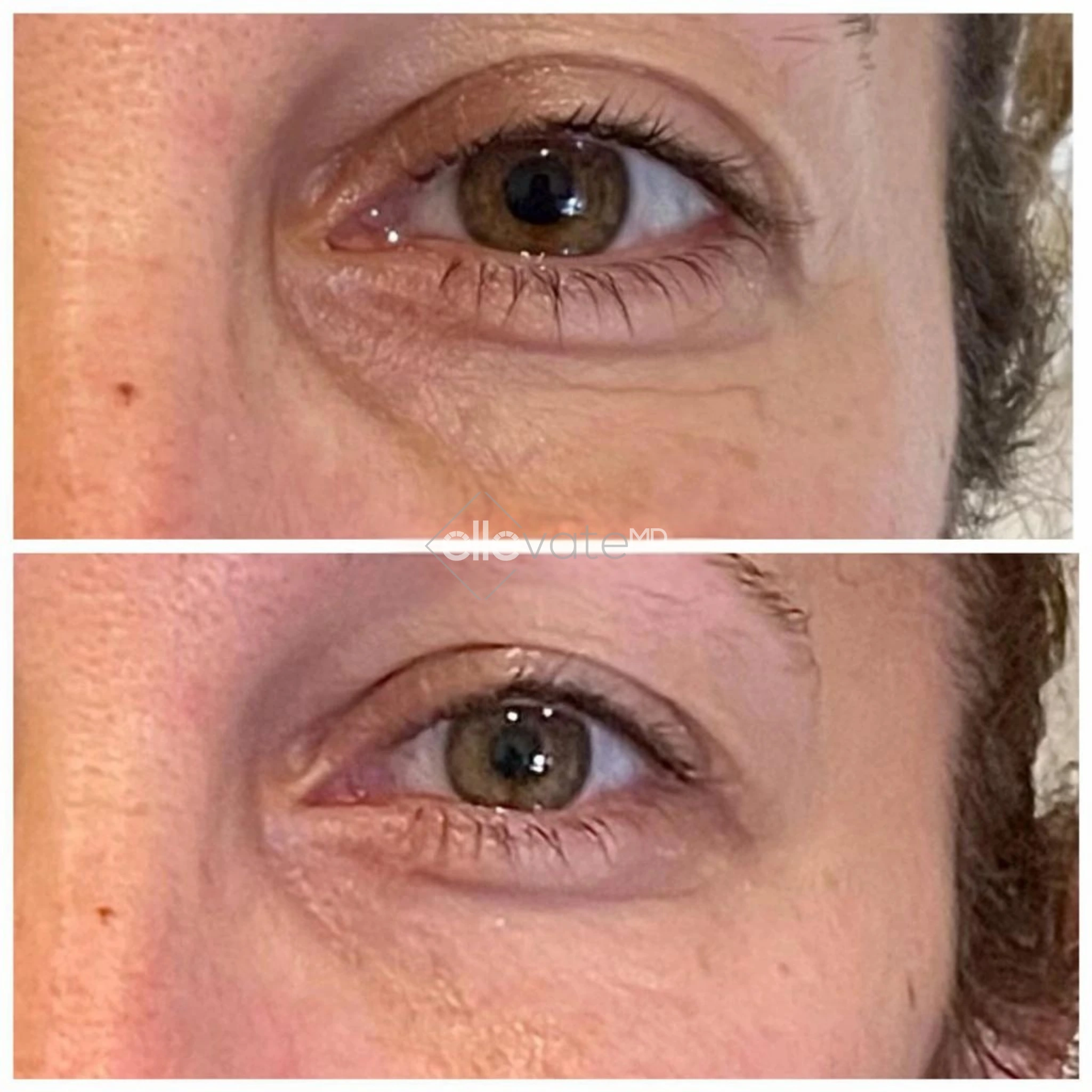
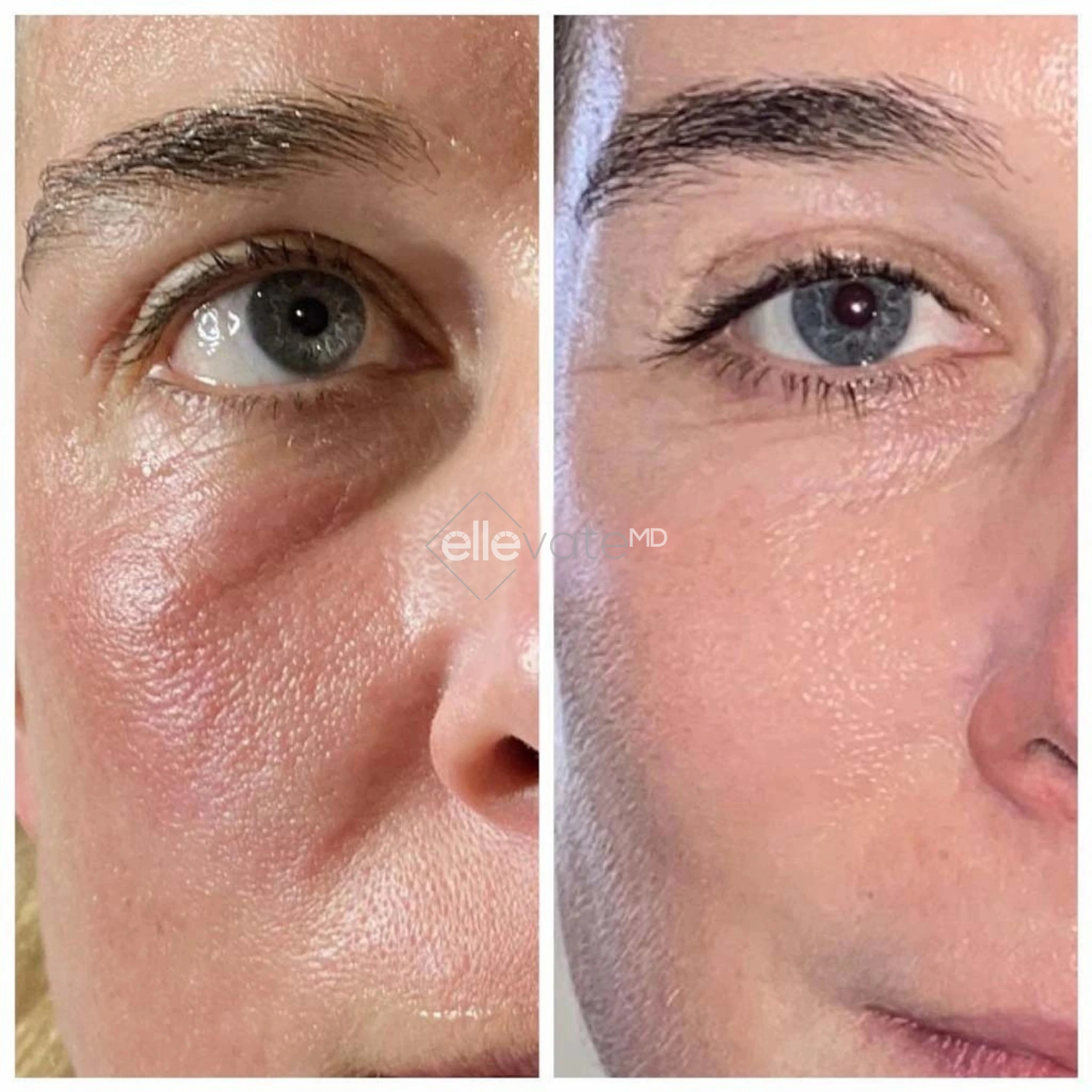
- Lower blepharoplasty: Targets under-eye bags, puffiness, and loose skin by repositioning or removing fat pads and tightening the skin.
Botox is a non-surgical neuromodulator that temporarily relaxes specific muscles to soften crow’s feet, “11” lines, and forehead lines.
Botox does not address loose skin, which is where surgery is needed.
The Importance of Timing
Why Surgeons Recommend a Botox-Free Period Before Surgery
Botox changes brow position, which can mislead surgical planning. If your brows are artificially elevated or lowered due to recent Botox, the amount of excess skin may appear different than it truly is, leading to under- or over-correction. Accurate measurements require your Botox to be slightly wearing off, so your natural brow and eyelid position shows.Understanding Muscle Memory in Surgical Planning
Your facial habits, such as raising your brows to compensate for heavy lids, are important for surgical planning. Botox can temporarily mask these patterns, making it harder for your surgeon to assess your true needs. In-person consultations are recommended for accurate evaluation.Optimal Timeline for Botox and Blepharoplasty
Three principles guide timing decisions:
- Disclose everything. Inform your surgeon about all injectables you’ve had in the eye and brow area, including fillers.
Let the effect fade before measuring. Botox generally lasts three to four months; Dr. Jayaram prefers to measure when it is slightly wearing off and you have some forehead movement back.
Plan the resumption. Ask when you can return to injections after surgery.
Recommended Waiting Periods Before Surgery
- Before your consultation: Ideally, your Botox should be slightly wearing off, with some forehead movement back.
Before surgery: Plan surgery for when your Botox is slightly wearing off and you have some forehead movement back, usually near the end of its 3 to 4 month cycle. Dr. Jayaram prefers this so her measurements are accurate.
After surgery: Wait until cleared by your surgeon, typically about one week for recovery and one month before major events.
Specific Considerations by Procedure
Botox and Upper Eyelid Blepharoplasty
Botox timing is most relevant for upper eyelid surgery, as brow and upper lid positions are closely linked. Botox can temporarily mask hooding, so Dr. Jayaram evaluates you when your Botox is slightly wearing off and some forehead movement is back. This matters most for patients with asymmetry or ptosis.
Botox and Lower Eyelid Blepharoplasty
Botox is used sparingly for the lower lid, mainly for crow’s feet. However, relaxing the orbicularis oculi muscle can mask underlying laxity, so injections are generally paused before and after eye bag removal. Disclose any under-eye filler, as it can affect surgical planning.
Alternatives and Options During the Waiting Period
While waiting for Botox to start wearing off, several treatments at ellevateMD can improve skin quality and texture without affecting surgical measurements:
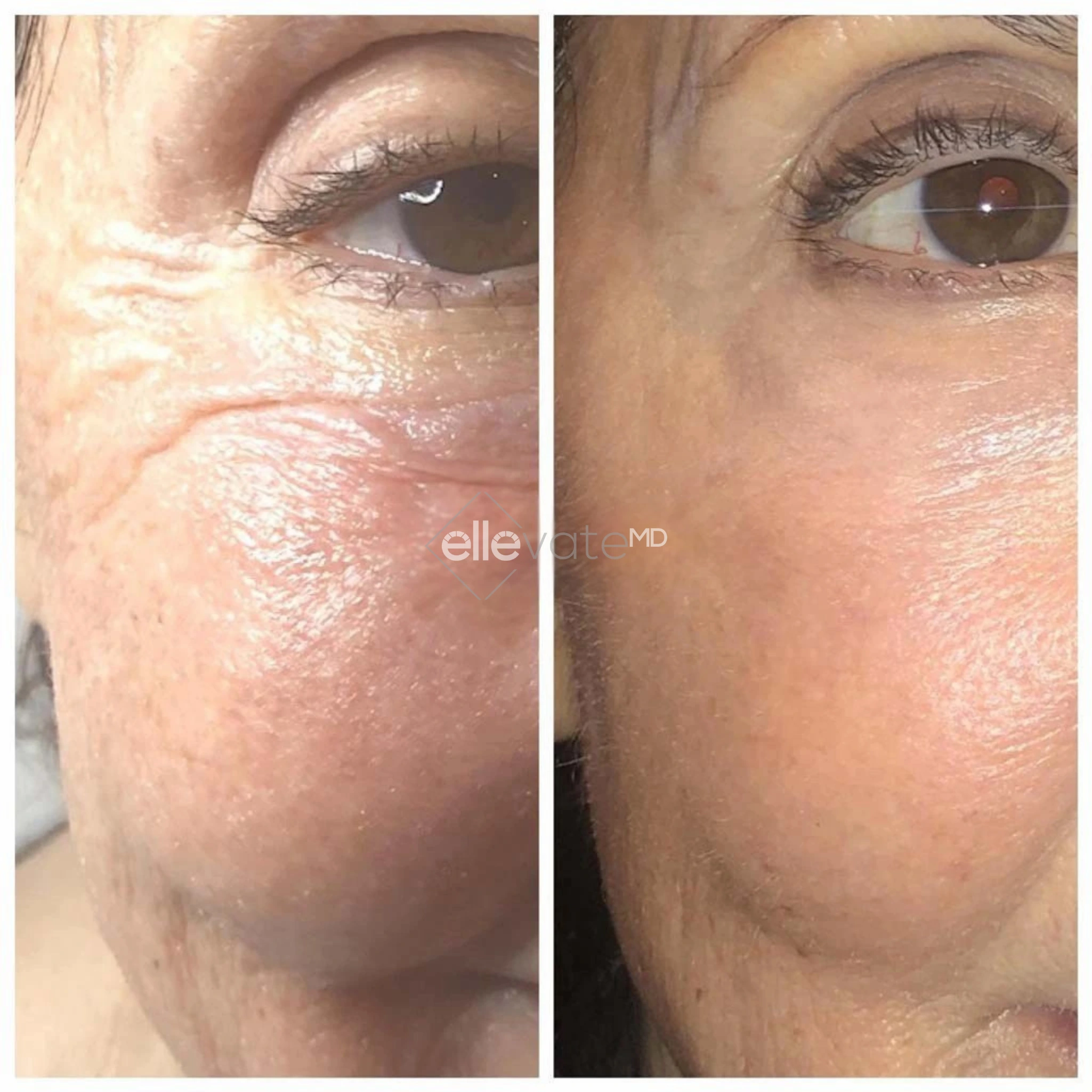
- Fraxel® Laser – resurfacing for sun damage, pigmentation, and texture.
Sofwave™ – stimulates new collagen to lift the brow, neck, and submental tissue.
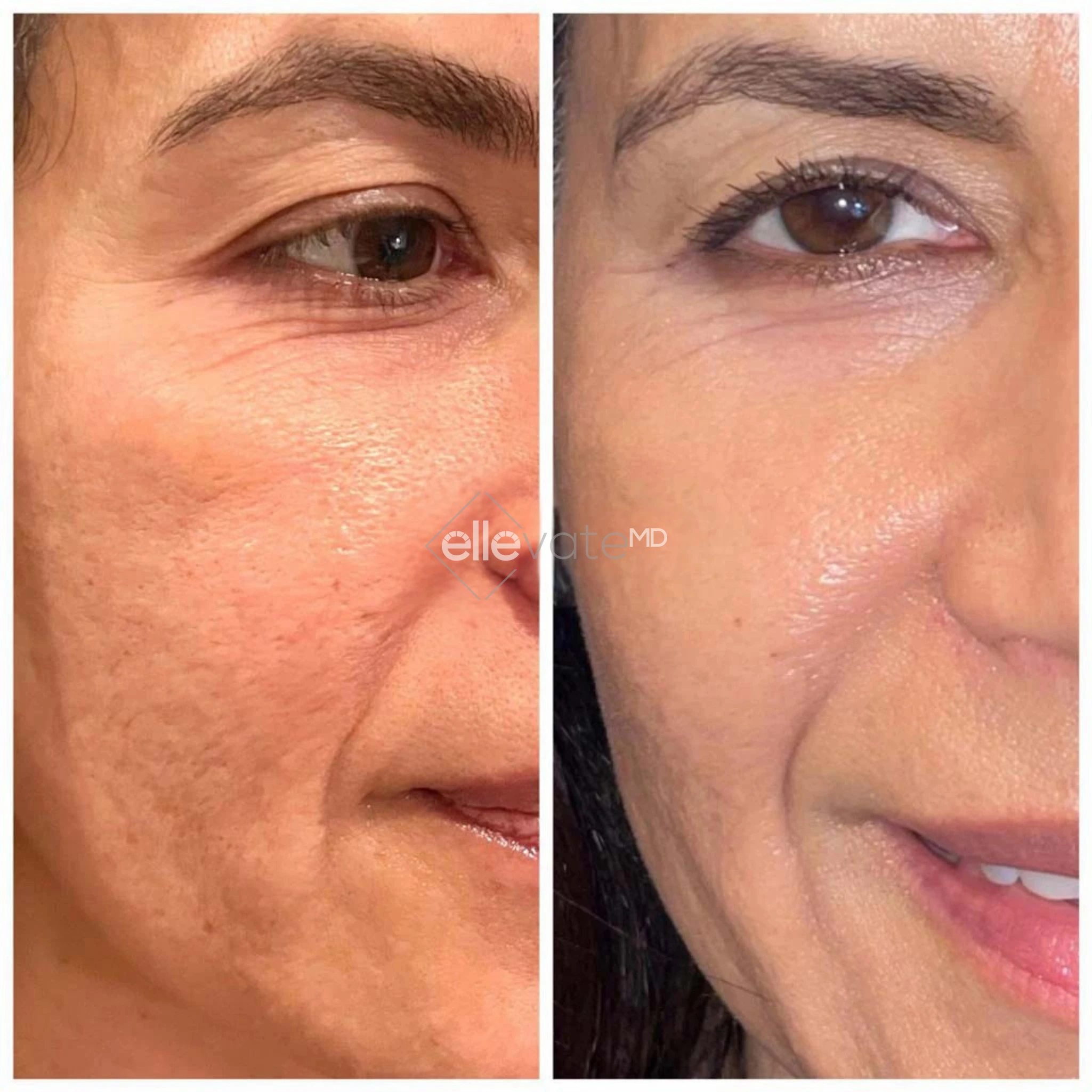
RF Microneedling and Tixel® – treatments for fine lines and facial texture.
JetPeel™ Pro – exfoliates, hydrates, and infuses the skin for immediate glow.
Brow lamination – non-medical ways to open up the eye area while you wait. Discuss timing with Dr. Ann Jayaram to ensure treatments are appropriately spaced from your surgical date.
Conclusion: Optimizing Your Results With Expert Guidance
Dr. Ann Jayaram at ellevateMD prioritizes results that look refreshed and natural.
Frequently Asked Questions
Is it OK to get Botox or Dysport a month before upper blepharoplasty?
Usually no, a month is too short. Dr. Jayaram prefers your Botox to be slightly wearing off before surgery, with some forehead movement back, which is usually near the end of its 3 to 4 month cycle. Dysport is a neuromodulator like Botox, so it can also change brow and lid position, which matters most for upper eyelid planning.
How long should I wait after Botox before a blepharoplasty consultation?
Ideally, your Botox should be slightly wearing off before your consultation, with some forehead movement back. Botox generally lasts three to four months, and Dr. Jayaram takes measurements seriously: she needs to see your natural brow and eyelid position to measure accurately. Tell your surgeon about every injectable you have had around the eyes and brows.
Why does Botox affect eyelid surgery planning?
Botox can raise or lower your brows and mask hooding, so the amount of extra eyelid skin may look different than it really is. Many people also lift their brows without noticing to make up for heavy lids, and Botox hides that habit. This can lead to under or over correction, which is why a Botox-free evaluation is recommended.
When can I get Botox again after blepharoplasty?
You can resume Botox once your surgeon clears you after healing. Plan this at your consultation so injections are spaced properly from your surgery date. Dr. Ann Jayaram at Ellevate MD sets the timing around your recovery so your results stay natural.
Does Botox matter before lower eyelid surgery?
It can. Botox in the lower lid is mainly used for crow's feet, but relaxing the muscle around the eye can hide underlying lid laxity. For that reason, injections are generally paused before and after eye bag removal. Also tell your surgeon about any under-eye filler, since it can affect planning.
About the author
Dr. Ann Jayaram, MD is a board-certified ophthalmologist and fellowship-trained oculoplastic surgeon at Ellevate MD in Atherton, California. She studied at Stanford, earned her MD with honors in research at Loyola, completed her ophthalmology residency at Northwestern and her oculoplastic surgery fellowship at Tufts Medical Center New England Eye Center. She has performed more than 7,000 eyelid and eye procedures. Read more about Dr. Jayaram.