Combining Blepharoplasty With Botox or Fillers: Is It Safe?
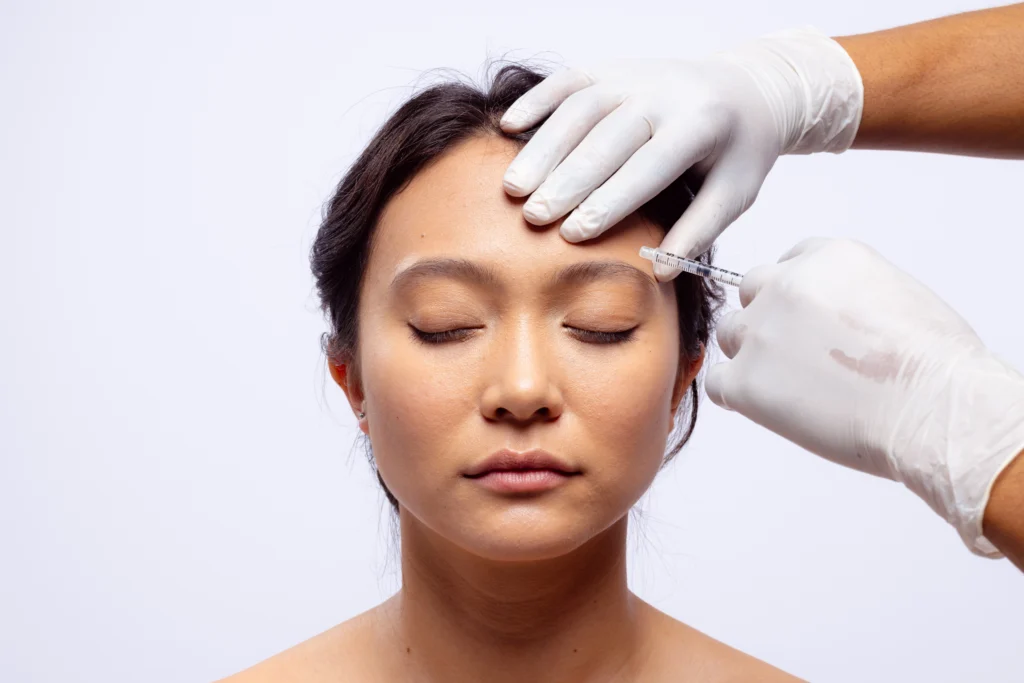
Table of contents
1.
2.
5.
6.
7.
8.
Medically reviewed by Dr. Ann Jayaram, MD, board-certified oculoplastic surgeon. Last updated October 28, 2026.
Blepharoplasty, often called eyelid surgery, is a precise surgical procedure that removes excess skin, muscle, and sometimes fat from the upper and/or lower eyelids. This treatment targets droopy eyelids, puffiness, and under-eye bags, resulting in a more alert and youthful appearance.
Botox is a purified neurotoxin injected into specific facial muscles to temporarily relax them, reducing the appearance of dynamic wrinkles caused by repetitive motions—such as crow’s feet, frown lines, and forehead creases. Unlike surgery, Botox injections offer a non-invasive way to smooth expression lines around the eyes and forehead.
Dermal fillers play a vital role in facial rejuvenation, particularly when combined with eyelid surgery and non-surgical enhancements. These injectable treatments—most commonly hyaluronic acid fillers—are used to restore lost volume in areas such as the tear troughs, cheeks, and temples, complementing the effects of blepharoplasty by smoothing the transitions between facial contours. When strategically placed, facial fillers can enhance overall facial aesthetics by softening hollow or sunken areas, minimizing shadows, and creating a more balanced, refreshed appearance. As part of a comprehensive approach, combining eyelid surgery with facial fillers can deliver more natural-looking results that address both structural and volume-related signs of aging.
While blepharoplasty and Botox focus on rejuvenating the eye area, their mechanisms and targets differ. Blepharoplasty removes or repositions tissue to correct sagging and puffiness, offering long-lasting results. Botox, on the other hand, addresses fine lines and wrinkles created by muscle activity and typically lasts three to four months per treatment. When used together, they complement each other perfectly—blepharoplasty for structural changes, and Botox for surface smoothing. Dermal fillers can be used to further enhance results and address static wrinkles in various facial areas.
It is generally safe to combine blepharoplasty with Botox injections when performed by a qualified provider experienced in aesthetic medicine. This combination is often recommended for middle-aged and older adults who want to address both structural concerns and surface-level signs of aging skin. While blepharoplasty surgically removes excess tissue to lift droopy eyelids, Botox relaxes the muscles that contribute to dynamic wrinkles and sagging brows. Together, these treatments can rejuvenate the skin around the eyes more effectively than either option alone, offering a smoother and more refreshed appearance with minimal added risk when used in conjunction with each other and timed appropriately.
Learn more about eyelid surgery by visiting this page.
Combining eyelid surgery with dermal fillers is considered safe and effective when performed by experienced providers, particularly those trained in both aesthetic and reconstructive surgery. This approach can address multiple concerns related to aging skin by pairing the structural improvements of blepharoplasty with the volume-restoring benefits of fillers. While eyelid surgery can significantly reduce eyelid bags and tighten aged eye skin, fillers help smooth hollow areas and improve skin gloss for a more cohesive, rejuvenated appearance. Many cosmetic surgeons now recommend this combined approach to maximize natural-looking results and extend the benefits of eyelid rejuvenation.
Learn more about eyelid surgery by visiting this page.
Optimizing the timing of Botox treatments is key when combining blepharoplasty with Botox. If you get Botox, Dr. Jayaram prefers that it is slightly wearing off by surgery day, with some forehead movement back, so she can take accurate measurements. Botox lasts 3 to 4 months, so plan surgery near the end of that window, then resume Botox several weeks after surgery, once initial healing has occurred. In some cases, Dr. Ann Jayaram may recommend a staged approach, letting earlier Botox start to wear off before surgery so your natural brow and eyelid position can be measured, then using Botox after healing to maintain results.
The ideal candidate for combining blepharoplasty with Botox is someone seeking both structural improvement (removal of excess skin or fat) and a reduction in expression lines. If you notice sagging eyelids alongside crow’s feet or frown lines, a tailored combination of both treatments may be right for you. A detailed consultation with Dr. Ann Jayaram will help determine the approach based on your anatomy and goals.
Blepharoplasty and Botox are a powerful combination, but some patients choose to further refine their look by adding other treatments. Popular options include brow lamination for a lifted brow appearance, fractional skin resurfacing techniques, and RF microneedling, which can improve skin texture and tone. Combining these options can yield a balanced and harmonious result.
Patients who opt for combining blepharoplasty with Botox or dermal fillers often enjoy a smoother, more youthful eye area with minimal downtime. While surgical recovery from blepharoplasty generally takes one to two weeks, Botox and dermal fillers require little to no downtime, and Botox results show within 7 to 10 days. The full effects of your transformation become visible as surgical swelling subsides, often within several weeks.
All treatments are customized to your needs by Dr. Ann Jayaram, ensuring natural-looking results that preserve your unique facial expressions while addressing signs of aging around the eyes.
Dr. Ann Jayaram is a board-certified oculocosmetic surgeon known for her precision, artistic eye, and commitment to delivering safe, natural-looking results. With advanced training in eyelid procedures, she customizes each treatment plan to match the patient’s facial structure, skin condition, and aesthetic goals.
For those looking to tighten skin and treat facial ageing, Dr. Jayaram often recommends upper eyelid blepharoplasty. This procedure removes excess tissue from the upper eyelids, creating a more defined and youthful eye contour. By addressing sagging skin early, patients can enjoy long-term improvements in both appearance and comfort.
In addition to treating sagging skin, Dr. Jayaram may suggest pairing eyelid surgery with a brow lift or Botox injections to smooth forehead lines and reduce the appearance of crow’s feet. This comprehensive strategy enhances the upper face and restores a refreshed, approachable look without overcorrecting natural expressions.
An eyelid lift does more than enhance appearance—it can also improve life quality. By opening the visual field and rejuvenating the eye area, patients often experience better facial harmony and increased confidence. Combining cosmetic techniques that promote skin radiance and skin relaxation leads to a brighter, more energized overall look.
Dr. Jayaram’s expertise in eye-bag plastic surgery allows her to tailor lower eyelid procedures for smooth, balanced results that preserve the natural shape of the eyes. Her thoughtful approach and meticulous technique consistently deliver aesthetic improvements and patient satisfaction, making her a trusted choice for comprehensive eyelid rejuvenation.
Most patients wait several weeks after eyelid surgery, once the initial healing has taken place, before having Botox. The exact timing depends on how your eyelids heal, so your surgeon should clear you first. Dr. Ann Jayaram plans the timing as part of your treatment so the injections support your surgical result.
Usually after. Dr. Jayaram takes eyelid measurements seriously, so she prefers your Botox to be slightly wearing off before surgery, with some forehead movement back. Botox lasts 3 to 4 months, so plan surgery near the end of that window, then resume Botox several weeks after surgery to maintain results. Because Botox can shift brow position and affect surgical measurements, your surgeon should decide the timing at your consultation.
Yes, combining eyelid surgery with dermal fillers is considered safe and effective when done by an experienced provider. Hyaluronic acid fillers restore lost volume in areas such as the tear troughs, cheeks and temples. Surgery corrects loose skin and bags, while fillers smooth hollow areas for a more balanced look.
Blepharoplasty is surgery that removes or repositions skin, fat and muscle to correct sagging and puffiness, and its results last for years. Botox relaxes the muscles behind crow's feet, frown lines and forehead lines, and it typically lasts three to four months. Botox does not fix loose eyelid skin, which is why the two are often paired.
The downtime is mainly from the surgery, which generally takes one to two weeks to recover from. Botox and fillers need little to no downtime, and Botox results show within 7 to 10 days. The full surgical result is usually visible within several weeks, as swelling goes down.
Combining blepharoplasty with Botox and dermal fillers offers a strategic and comprehensive approach to eyelid rejuvenation, addressing both droopy eyelids and wrinkles for a smoother, fresher-looking appearance. With the expertise of Dr. Ann Jayaram and a tailored treatment plan, you can achieve natural and harmonious results that enhance your confidence with maximum safety.
Learn more about eyelid surgery by visiting this page.
About the author
Dr. Ann Jayaram, MD is a board-certified ophthalmologist and fellowship-trained oculoplastic surgeon at Ellevate MD in Atherton, California. She studied at Stanford, earned her MD with honors in research at Loyola, completed her ophthalmology residency at Northwestern and her oculoplastic surgery fellowship at Tufts Medical Center New England Eye Center. She has performed more than 7,000 eyelid and eye procedures. Read more about Dr. Jayaram.