Table of contents
1.
2.
5.
What Recovery Looks Like
Your eyes are often the first place to show the signs of aging. Drooping eyelids, excess skin, fine lines, and uneven texture can make you look tired, older, or less like yourself, even when you feel great.
Many patients come to Dr. Ann Jayaram wondering whether they need surgery, laser treatments, or both. For the right patient, combining a lid lift (blepharoplasty) with laser resurfacing isn’t just possible, it’s often the most effective path to lasting results. One procedure addresses the structural issues; the other refines the surface. Together, they work in a way that neither can fully achieve alone.
Blepharoplasty is a surgical procedure that removes or repositions excess skin, muscle, and sometimes fat around the eyelids. It can be performed on the upper lids, lower lids, or both, depending on what’s bothering you and what’s medically indicated.
Upper lid blepharoplasty is sometimes more than cosmetic – when drooping skin obstructs your field of vision, it becomes a functional concern.
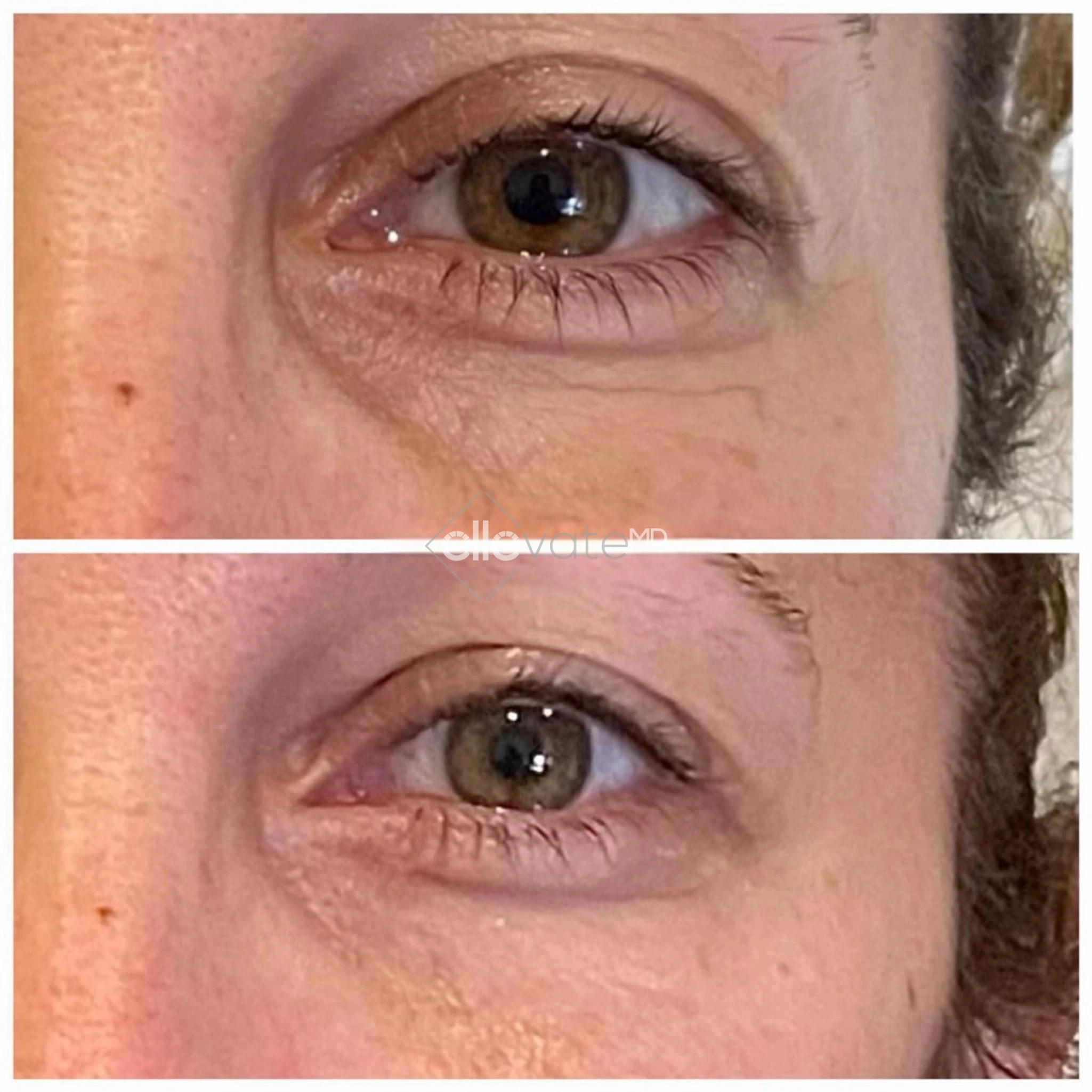
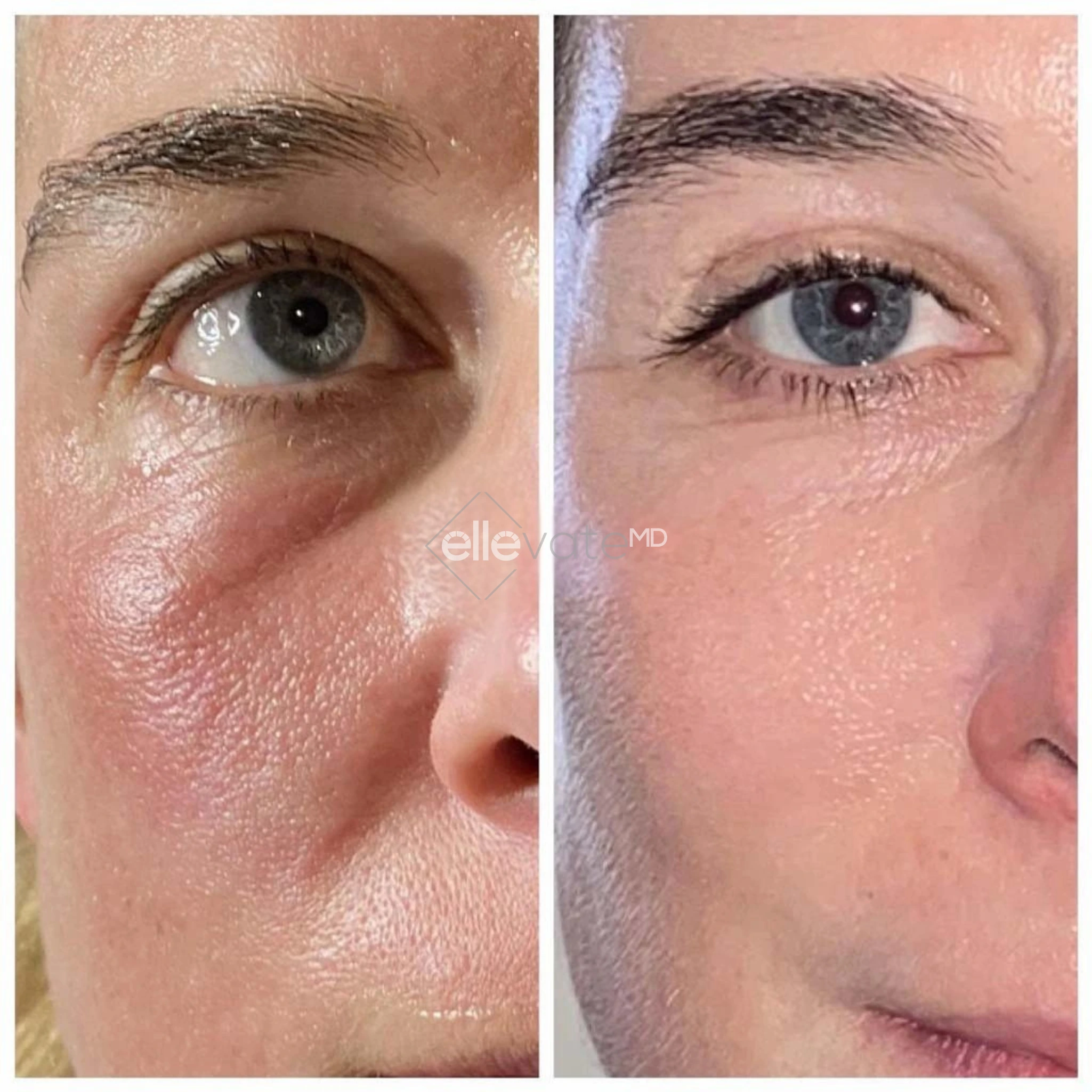
Lower lid blepharoplasty typically addresses puffiness, under-eye bags, or loose skin that can create a hollowed-out or fatigued appearance.
What a lid lift cannot do is improve skin quality. It tightens and removes tissue, but it doesn’t treat sun damage, fine lines etched into the skin’s surface, irregular pigmentation, or the subtle crepe-like texture that develops over time. That’s where laser treatments come in.
Laser resurfacing uses focused light energy to stimulate collagen production and remove damaged outer layers of skin. Depending on the technology used – CO2, Erbium, or fractional lasers – the depth and intensity of treatment can be customized to your skin type and goals.
Around the eyes specifically, laser resurfacing can:
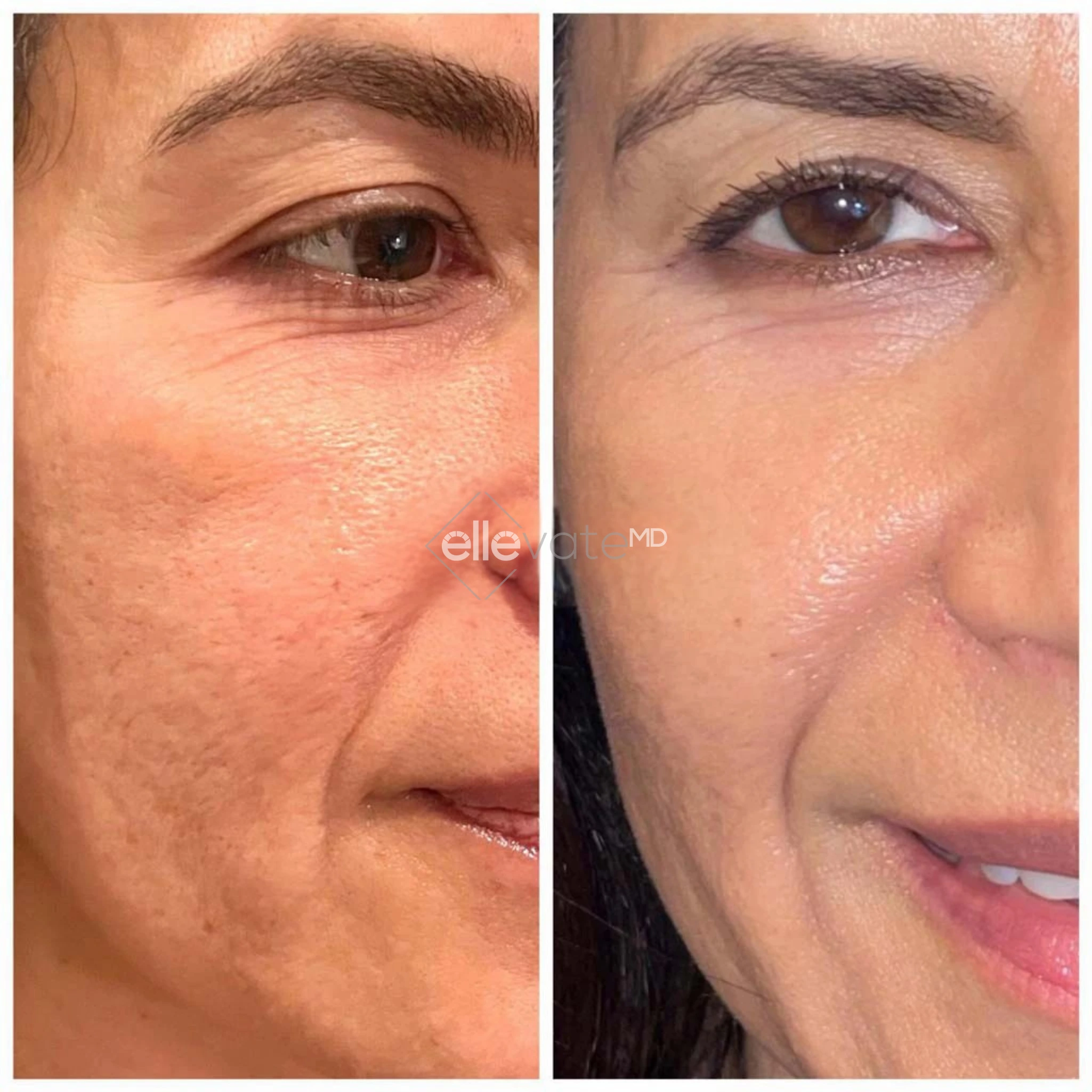
Soften crow’s feet and fine surface lines that surgery leaves behind
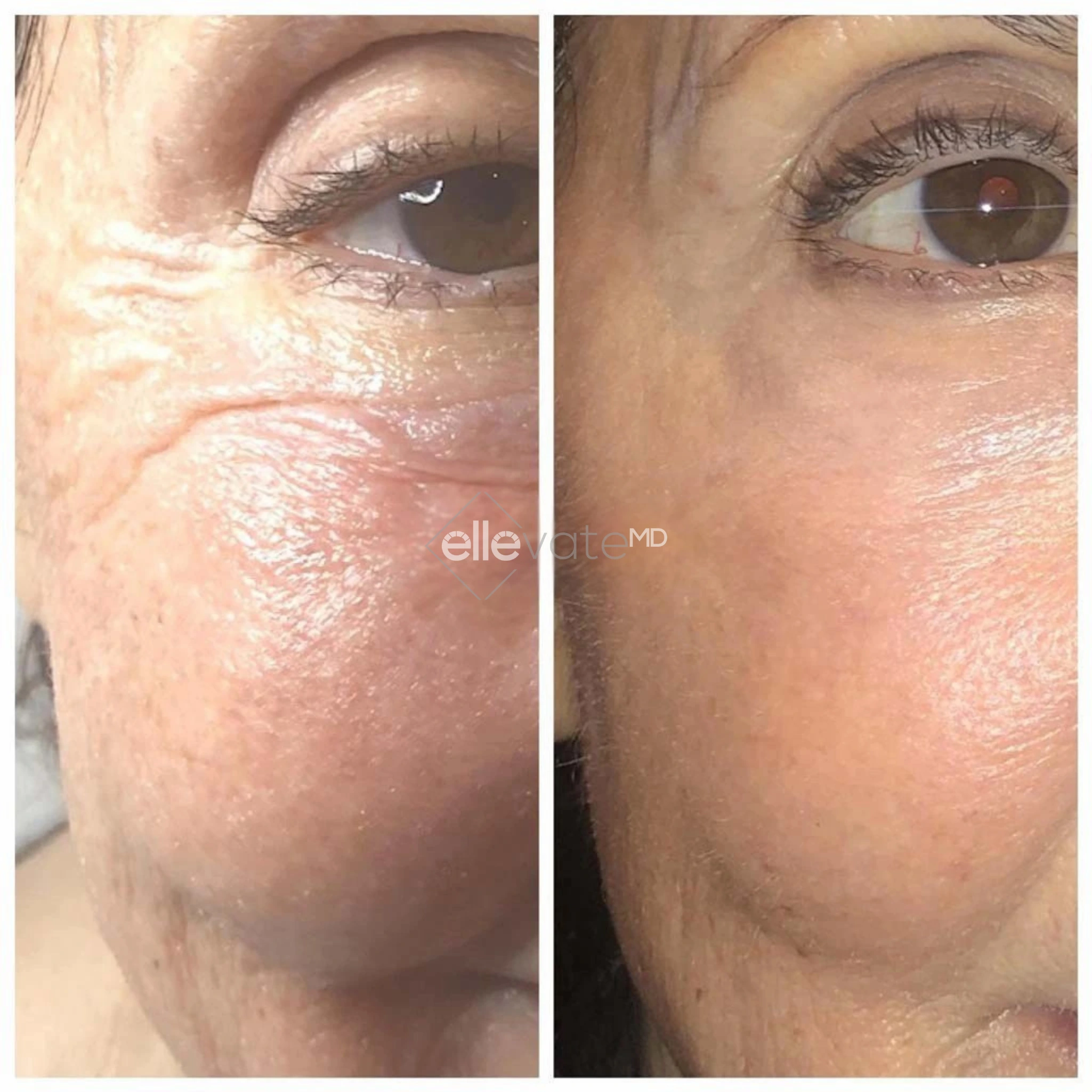
Improve skin tone and texture, including sun damage and pigmentation
Tighten residual laxity in areas where surgery alone doesn’t reach
Enhance the overall smoothness and luminosity of the periorbital area
The skin around the eyes is delicate and thin, which is exactly why it responds so well to laser energy when applied by someone with the right training and experience.
Think of it this way: blepharoplasty handles the architecture, and laser resurfacing handles the finish work. Addressing only one layer of the problem often leaves patients feeling like something is still “off” – the bags are gone, but the skin still looks rough. Or the texture is smoother, but the heaviness of the lids remains.
When both are performed together (or in a carefully planned sequence), patients typically see:
More comprehensive rejuvenation with a single recovery period
Better blending between treated and untreated areas, since laser resurfacing extends beyond the surgical site
Longer-lasting results, because collagen remodeling from laser treatment continues to improve the skin over months
A more natural outcome, since the eye area looks refreshed rather than “done”
Dr. Jayaram approaches these combinations thoughtfully, evaluating not just what you want but what your anatomy, skin condition, and health history make appropriate. The goal is never to do more – it’s to do what’s right.
Not everyone needs both, and that’s an important distinction. Some patients have excellent skin quality and simply need the structural correction that blepharoplasty provides. Others have good lid position, but skin texture concerns that the laser alone can address. The combination makes the most sense when both issues are meaningfully present.
You may be a good candidate for combined treatment if you:
Have excess or drooping eyelid skin and noticeable surface lines or texture changes
Are bothered by under-eye bags and skin discoloration or sun damage in the same area
Want to maximize your results during a single recovery window
Have realistic expectations and good overall health
Are a non-smoker or willing to quit smoking before surgery (smoking significantly impairs healing)
Skin type and tone matter, too. Certain laser wavelengths carry a higher risk of pigmentation changes in darker skin tones, so the laser platform chosen needs to be carefully matched to your complexion. This is not a one-size-fits-all protocol.
In many cases, yes. When blepharoplasty and laser resurfacing are planned together, they can often be performed during the same procedure under local anesthesia with sedation, which means one recovery instead of two.
However, sequencing sometimes makes more sense depending on your specific anatomy and treatment goals. In certain situations, Dr. Jayaram may recommend completing the surgical portion first and returning for laser treatment once the tissue has fully healed – typically 3-6 months later. This staged approach allows for a more precise assessment of the amount of residual laxity or textural irregularity remaining after surgery, so the laser treatment is calibrated appropriately rather than based on guesswork.
The consultation process is where this decision gets made. There’s no universal answer, and anyone who tells you otherwise isn’t giving your situation the attention it deserves.
Recovery from combined treatment is more involved than from either procedure on its own, and it’s worth discussing it with clear expectations.
In the first week, expect swelling, bruising, and some skin weeping or crusting in the laser-treated areas. Your eyes may feel tight and sensitive to light. Most patients feel comfortable enough to return to non-strenuous work within 10-14 days, though residual swelling can linger for several weeks.
The laser-treated skin will undergo a period of redness and gradual pinkness that fades over four to eight weeks, depending on the depth of treatment. Sun protection during this period is essential. UV exposure on healing laser-treated skin can cause lasting pigmentation changes.
The upside? Your recovery time is consolidated. You go through the downtime once and emerge on the other side with results that would have otherwise required two separate procedures and two separate healing windows.
The eyes are not the place to cut corners. The periorbital area – the skin and tissue surrounding the eye – is among the most anatomically complex and functionally critical regions of the face. Blepharoplasty requires surgical precision, and laser treatment in this zone demands an intimate understanding of eyelid anatomy to avoid complications.
Dr. Jayaram’s background as a fellowship-trained oculoplastic surgeon means she has trained specifically at the intersection of ophthalmology and plastic surgery of the eye and orbit. This dual expertise is genuinely rare, and it matters when you’re considering procedures this close to your vision.
That depends entirely on your anatomy, your skin, your goals, and your life, which is why a thorough consultation is the only honest starting point. What we can say with confidence is that for the right patient, combining a lid lift with laser resurfacing delivers results that are more complete, more natural, and more lasting than either approach in isolation.
If you’re ready to find out whether you’re that patient, Dr. Jayaram and the team at ellevateMD are here to walk you through it – without pressure, without jargon, and with a treatment plan built around you.