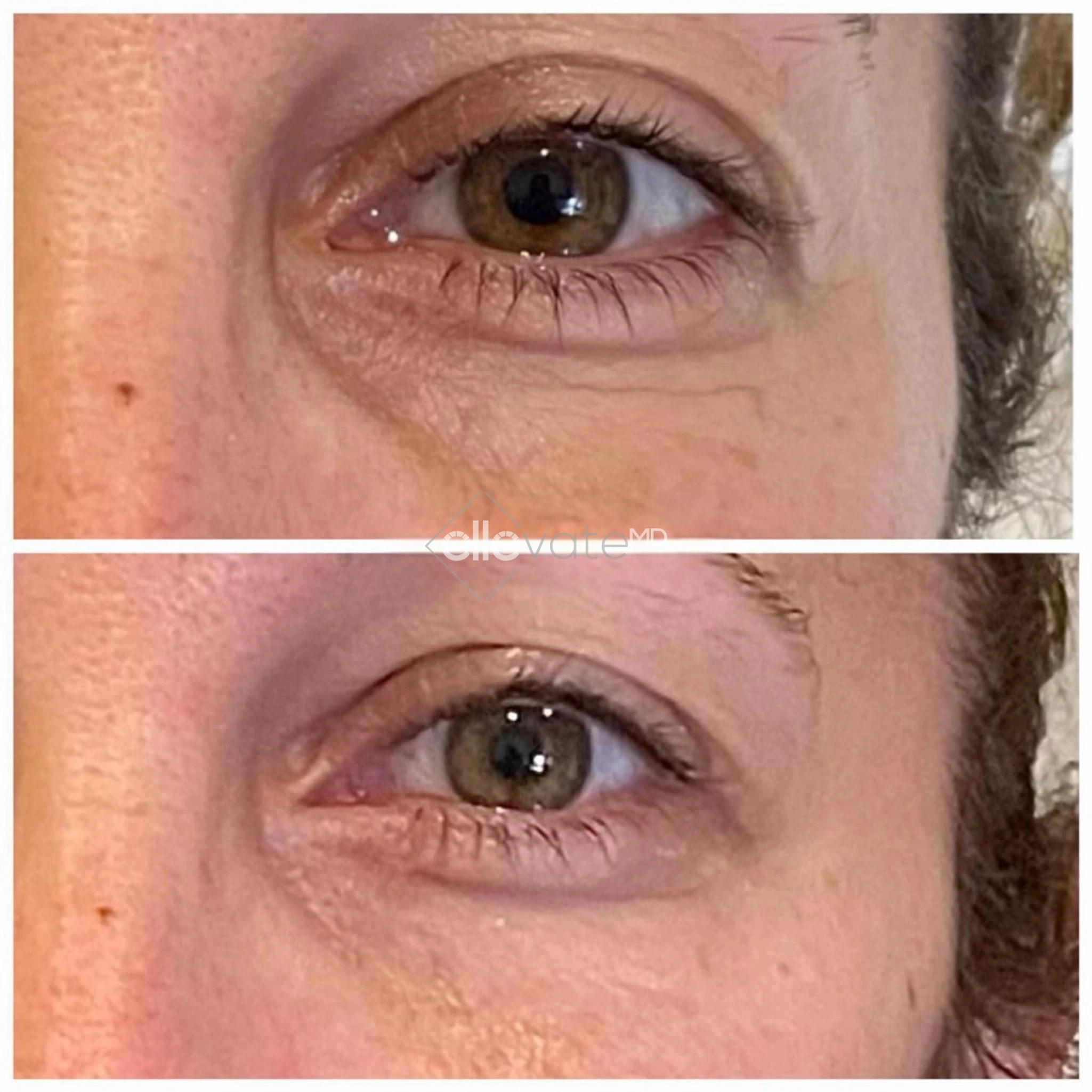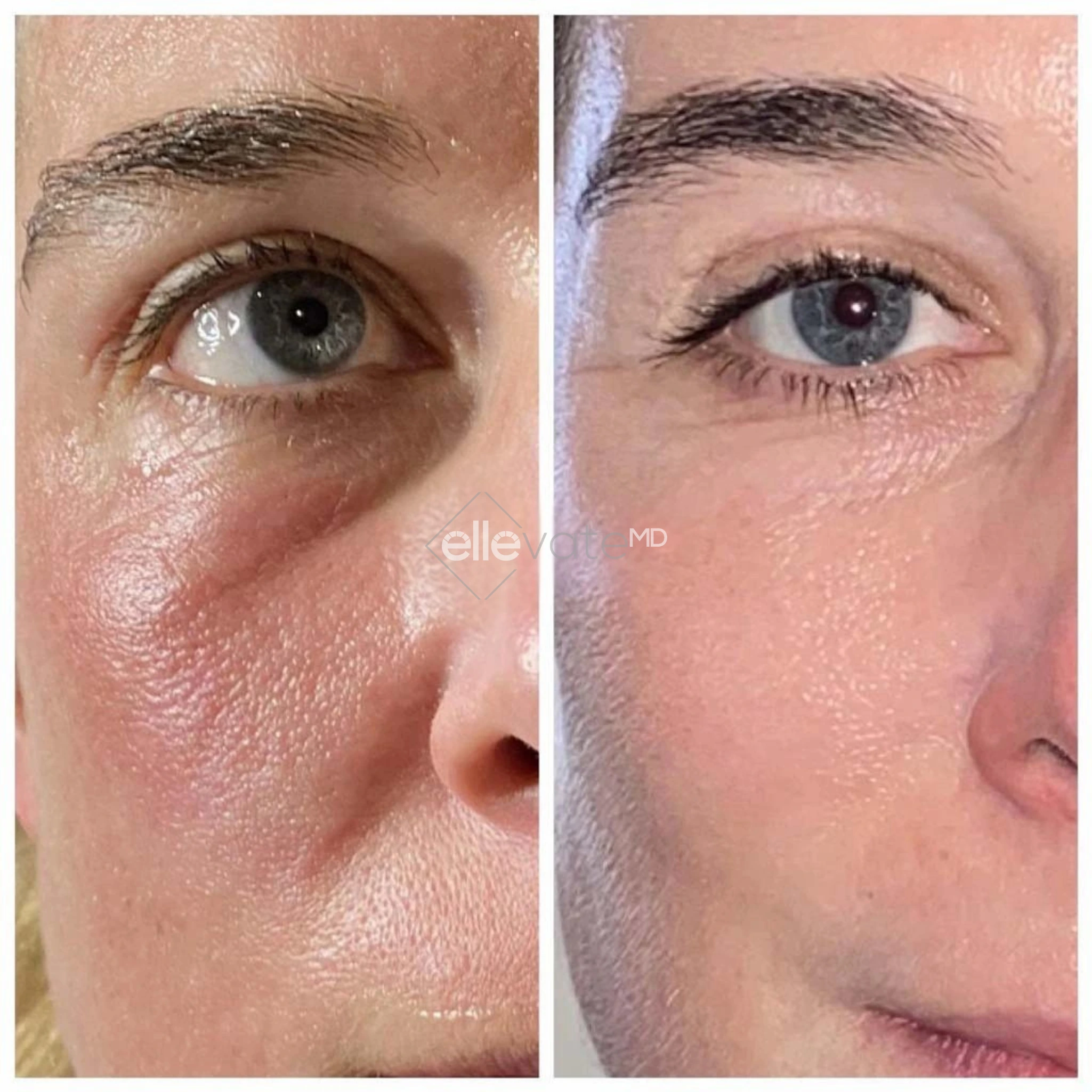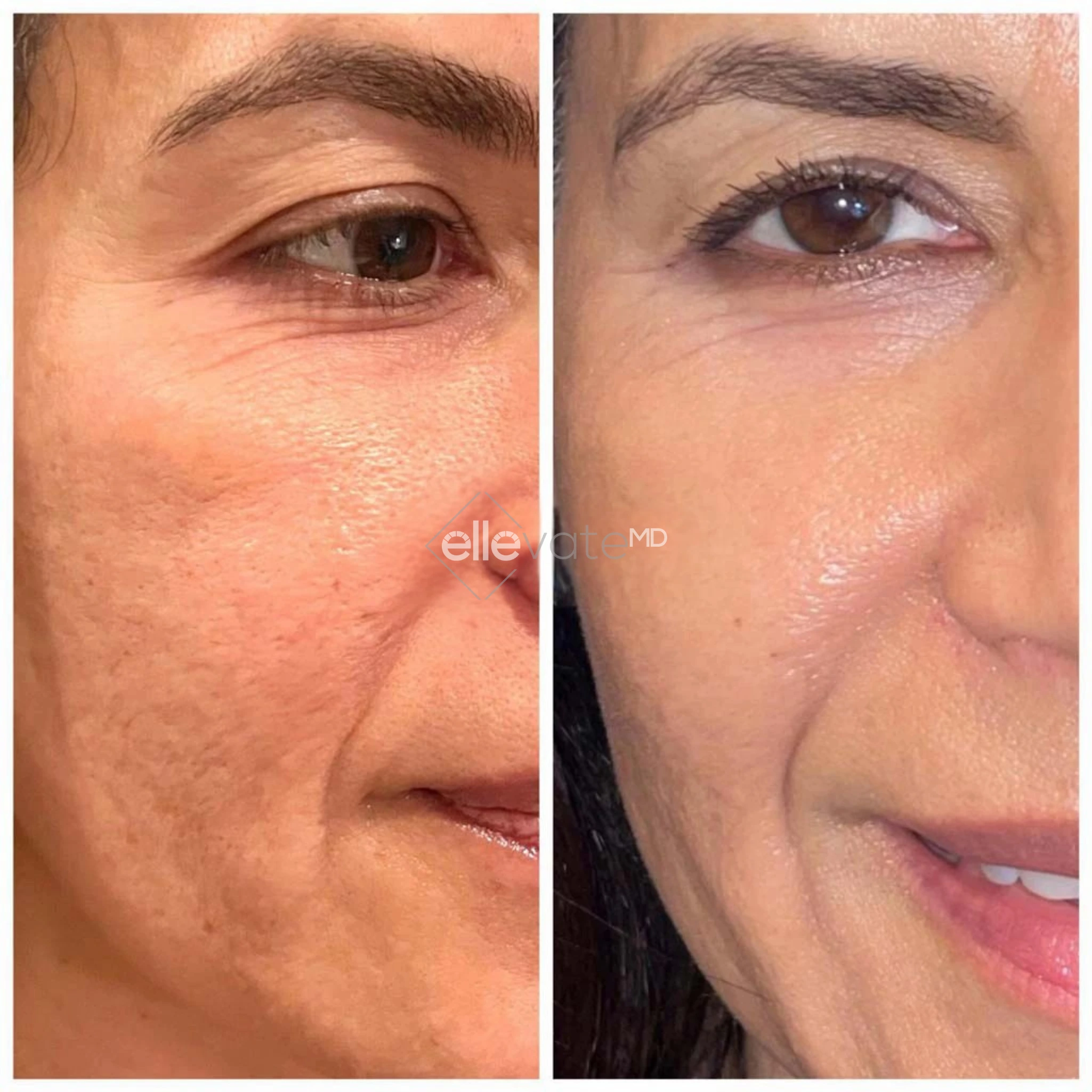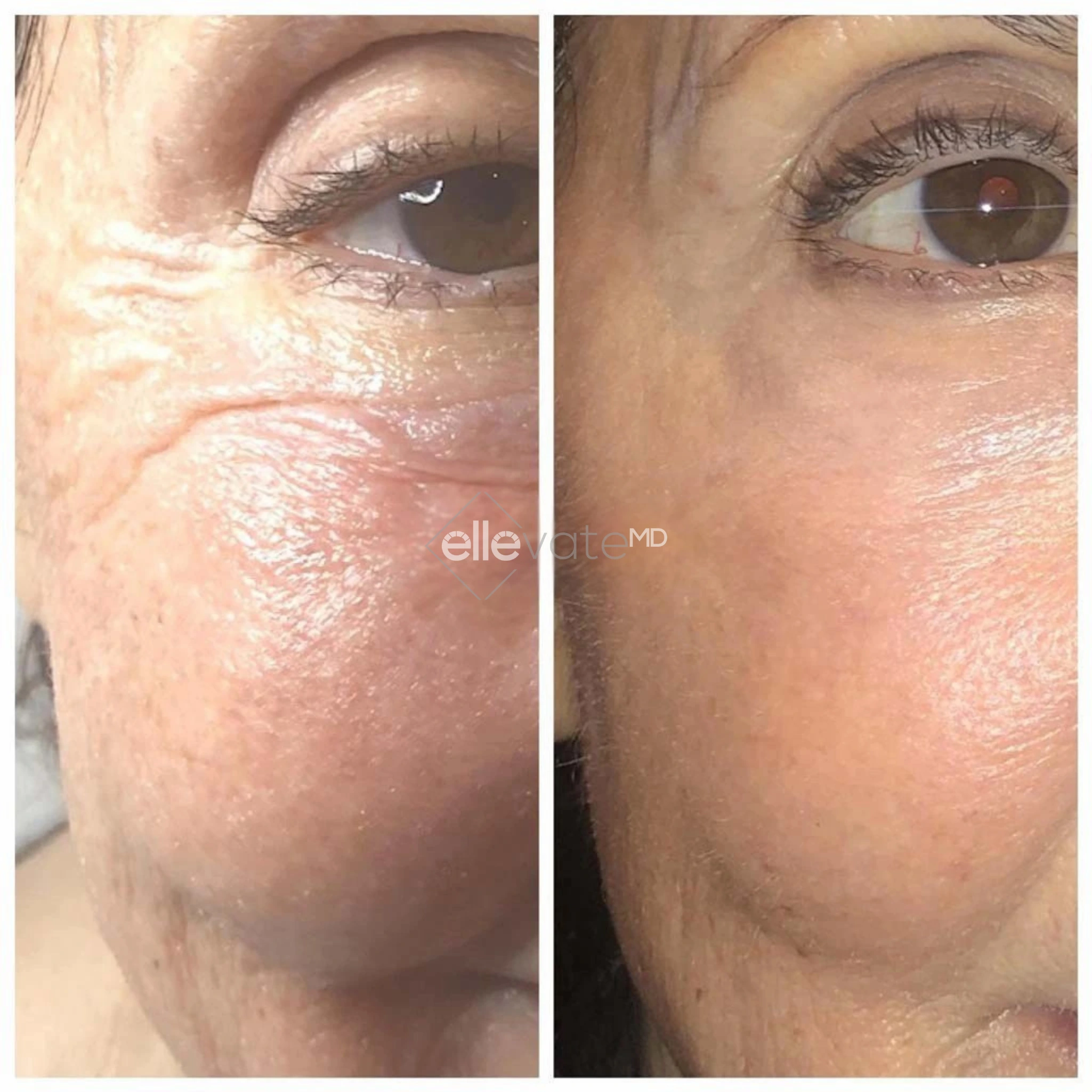
A droopy eyelid – medically known as ptosis – is caused by weakening or stretching of the levator muscle that lifts the upper eyelid, and it can result from aging, genetics, nerve damage, injury, or underlying medical conditions. While many people associate droopy eyelids with getting older, the truth is that this condition can affect anyone at any age, and understanding the root cause is the first step toward finding the right solution.
If you’ve noticed one or both of your upper eyelids sitting lower than they used to, you’re not alone. Droopy eyelids are a common concern. Below, we’ll break down the specific causes, when to seek professional help, and what treatment options are available.
Ptosis (pronounced “TOE-sis”) refers to a drooping of the upper eyelid that goes beyond normal positioning. In a healthy eye, the upper eyelid rests about 1 to 2 millimeters below the top edge of the iris – the colored part of your eye. When the lid drops lower than that, it’s considered ptosis. The condition can range from barely noticeable to severe enough to block your line of sight. It can affect one eye (unilateral) or both eyes (bilateral), and the degree of drooping may be different on each side, creating an asymmetric appearance.
Ptosis is more than a cosmetic issue. When the eyelid droops far enough, it can obstruct peripheral vision, make reading or driving harder, and cause eye fatigue as you unconsciously raise your brows all day to compensate. Distinguishing between true ptosis (a muscle issue) and pseudoptosis (the appearance of drooping due to excess skin) is critical. An expert evaluation is necessary to determine the underlying cause and the most effective treatment plan.
This is the most frequent reason adults develop droopy eyelids. Over time, the levator muscle – the primary muscle responsible for lifting your upper eyelid – stretches and thins. The tendon connecting this muscle to the eyelid (called the levator aponeurosis) can gradually separate or weaken, allowing the lid to sag.
At the same time, the skin of the eyelid loses collagen and elasticity. Excess skin begins to fold over the lid crease, adding weight and compounding the drooping effect. This combination creates a perpetually tired or sad expression and can make activities like applying makeup more difficult.
Age-related ptosis tends to develop slowly, which is why many people don’t notice it until they compare current photos with ones from five or ten years ago. The change can also gradually narrow your field of vision.
Some people are born with a droopy eyelid. Congenital ptosis happens when the levator muscle doesn’t develop properly during fetal growth. The muscle may be replaced partly by fibrous or fatty tissue, which lacks the ability to contract and lift the lid normally.
Congenital ptosis is usually noticeable in infancy and most often affects one eye. If the drooping is significant, it can interfere with visual development in children, potentially leading to amblyopia (lazy eye) if the lid blocks the pupil during critical stages of visual maturation. Early evaluation by a specialist is important in these cases.
Your eyelid’s position depends on a precise interplay between muscles and the nerves that control them. Problems with either can cause ptosis:
Levator muscle dysfunction: Direct weakening, inflammation, or degeneration of the levator muscle reduces its lifting power.
Third cranial nerve palsy: The oculomotor nerve (cranial nerve III) controls the levator muscle. Damage to this nerve – from diabetes, aneurysms, or other causes – can result in sudden or gradual eyelid drooping, often accompanied by double vision or changes in pupil size.
Horner syndrome: This condition involves disruption of the sympathetic nerve pathway that controls the smaller Mueller’s muscle in the eyelid. It produces a mild ptosis, a constricted pupil, and sometimes decreased sweating on the affected side of the face.
Contact lens wear: Decades of inserting and removing rigid or soft lenses may contribute to mechanical stretching of the levator muscle or tendon, contributing to a droopy appearance over time.
Nerve-related causes of droopy eyelids often require prompt medical attention because they can signal a more serious underlying problem.
Direct trauma to the eye area – from an accident, a sports injury, or even previous eyelid surgery – can damage the levator muscle or its tendon. Scar tissue that forms during healing may tether the muscle, preventing it from lifting the lid to its full height.
Surgical trauma is worth mentioning specifically. Procedures involving the eye or eye socket – including cataract surgery, LASIK, or other ocular surgeries – can sometimes stretch or weaken the levator muscle due to the use of eyelid speculums that hold the eye open during the procedure. This type of post-surgical ptosis may resolve on its own within a few months, or it may become permanent.
Several systemic medical conditions list droopy eyelids among their symptoms:
Myasthenia gravis: An autoimmune disorder where antibodies attack the communication point between nerves and muscles. Ptosis is often the first symptom and may worsen throughout the day as the muscles fatigue.
Chronic progressive external ophthalmoplegia (CPEO): A mitochondrial condition that gradually weakens the muscles controlling eye movement and eyelid position.
Diabetes: Long-standing or poorly controlled diabetes can damage the third cranial nerve, leading to ptosis along with other eye movement problems.
Brain tumors or stroke: Any condition affecting the brainstem or the nerve pathways to the eyelid muscles can produce sudden ptosis, which should be treated as a medical emergency.
Because droopy eyelids can sometimes be the first visible sign of a serious condition, any sudden or rapidly progressing ptosis warrants immediate evaluation.
While lifestyle factors alone rarely cause true ptosis, they can worsen the appearance of droopy or heavy eyelids:
Chronic eye rubbing: Frequent, vigorous rubbing stretches the delicate skin and can gradually loosen the levator tendon.
Sun exposure: UV damage accelerates the breakdown of collagen and elastin in eyelid skin, contributing to skin laxity that amplifies a droopy appearance.
Fluid retention and allergies: Swelling around the eyes from allergies, high-sodium diets, or lack of sleep can make the lids appear puffier and heavier, mimicking ptosis.
Addressing these habits won’t reverse established ptosis, but it can slow progression and protect the results of any future treatment.
Not every droopy eyelid needs immediate intervention, but certain situations call for a professional evaluation:
Sudden onset: A droopy eyelid that appears within hours or days – especially with headache, double vision, or pupil changes – needs urgent medical attention.
Vision obstruction: If the drooping lid blocks part of your visual field or makes activities like reading and driving more difficult, it’s time to see a specialist.
Asymmetry: One lid sitting noticeably lower than the other can indicate a nerve or muscle issue that should be investigated.
Increasing severity: Ptosis that is worsening over weeks or months deserves evaluation to rule out progressive conditions.
Confidence concerns: A tired or aged appearance that affects how you feel about yourself is a valid reason to explore your options.
Dr. Ann Jayaram, the oculoplastic surgeon at ellevateMD in Atherton, California, specializes in evaluating and treating eyelid conditions. She can determine whether your droopy eyelid stems from age-related changes, a muscle or nerve problem, or another cause – and recommend the most appropriate path forward. Both virtual and in-person consultations are available by calling (650) 200-8633.
Treatment depends entirely on the cause and severity of the ptosis. Here’s an overview of the main approaches.
For many people, the most effective and long-lasting solution for age-related droopy eyelids is an upper blepharoplasty. Dr. Jayaram offers her Signature Lid Lift tailored to correct both excess skin and muscle laxity, delivering a refreshed, alert, and completely natural appearance:
Precision and Expertise: Dr. Jayaram’s approach focuses on precision and comfort, ensuring results that are beautiful, natural, and uniquely your own.
In-Office Procedure: The Signature Lid Lift is a 30-minute procedure performed right in our Atherton office.
Awake and Comfortable: The surgery is completed using only local anesthesia, so you remain awake and comfortable throughout.
Minimal Downtime: Dr. Jayaram’s refined technique allows for quick healing and a swift return to your daily routine.
Long-Lasting Results: Results from upper blepharoplasty typically last 10 to 15 years.
Non-surgical treatments can help in milder cases or when surgery isn’t immediately desired:
Botox can provide a subtle brow lift that opens the eye area in cases of very mild ptosis.
RF microneedling and JetPeel Pro may be recommended to improve skin texture and quality around the eyes, complementing surgical results.
When ptosis is caused by an underlying condition like myasthenia gravis, treating the systemic disease often improves the eyelid position. A consultation is required to determine which approach is right for your situation, as the underlying cause of your droopy eyelid directly influences the recommended treatment.