How Long Does Botox Last? Essential Insights for Your Next Treatment

How Long Does Botox Last? Essential Insights for Your Next Treatment

How Long Does Botox Last? Essential Insights for Your Next Treatment Banner

If you’re considering Botox or have already experienced its wrinkle-smoothing benefits, you’re likely wondering about the longevity of your results. Most people can expect their Botox treatments to last between 3 and 4 months. However, this timeline varies based on several factors, including your metabolism, the treatment area, and the dosage administered. Understanding what influences these results can help you plan your appointments strategically and maintain the smooth, youthful appearance you desire.

Botox has become one of the most popular cosmetic procedures worldwide, with millions of treatments performed annually. Yet despite its widespread use, many people still have questions about how long their results will last and what they can do to maximize their effects. Let’s explore everything you need to know about Botox duration and how to get the most from your investment.

Understanding How Botox Works

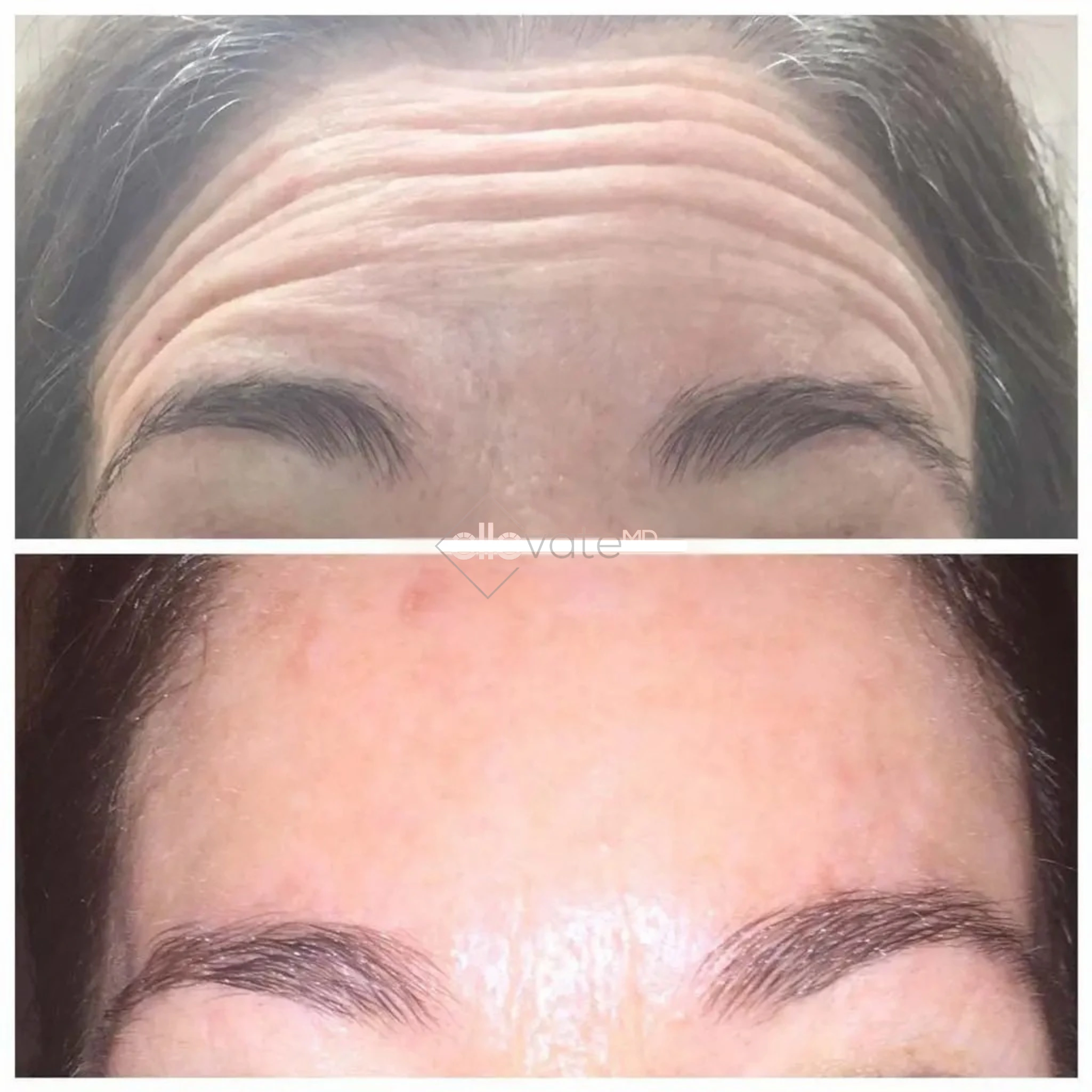
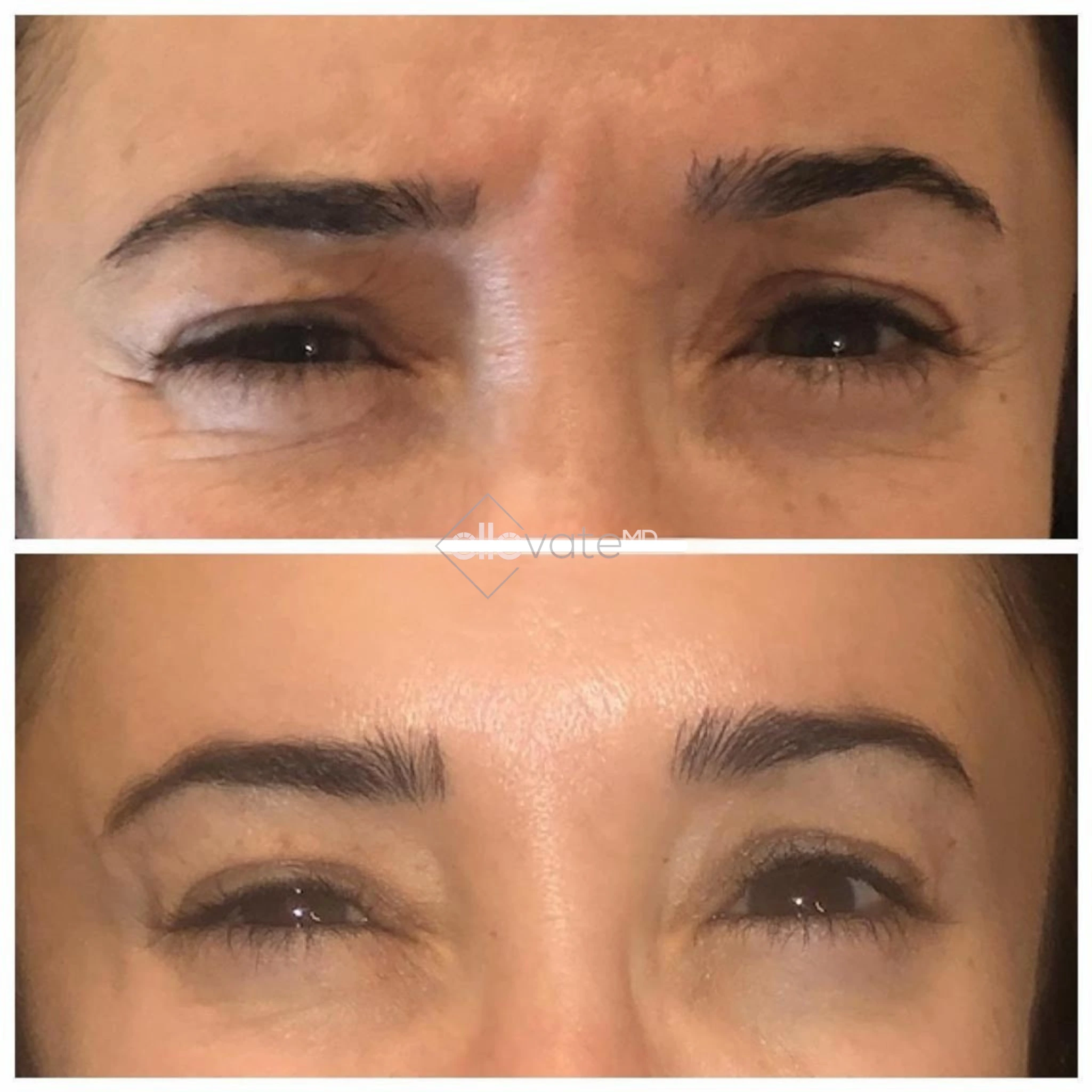
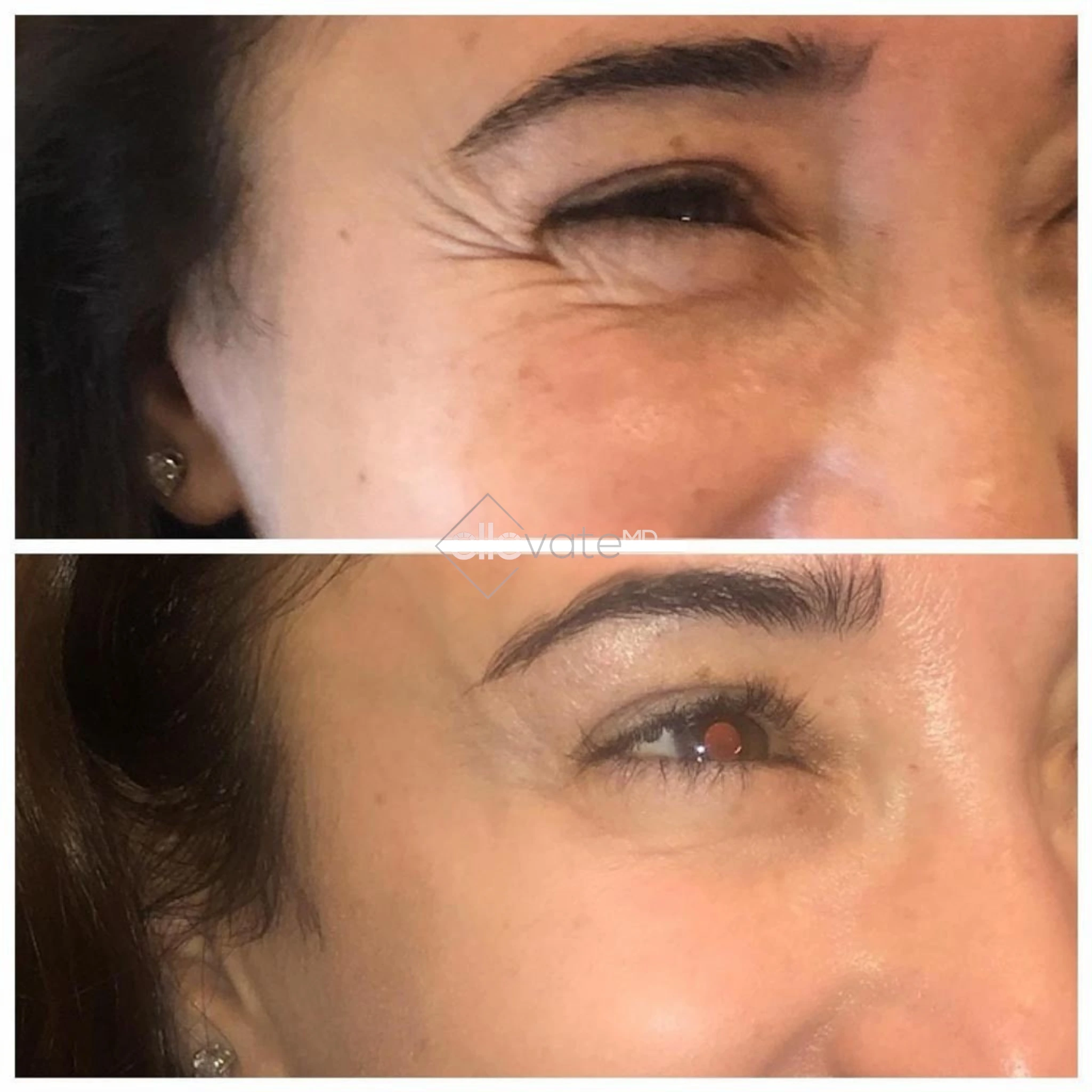
Before diving into duration, it’s helpful to understand the science behind Botox. The treatment uses a purified form of botulinum toxin, which temporarily blocks nerve signals to specific facial muscles. When these muscles can’t contract as forcefully, the skin above them smooths out, reducing the appearance of wrinkles and fine lines.

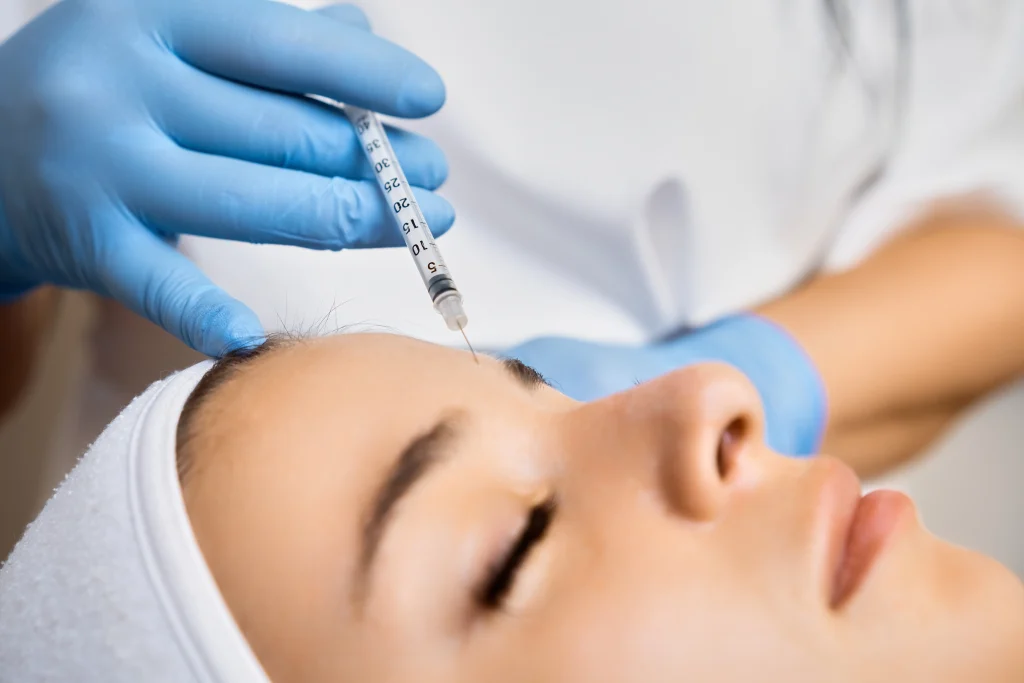
The procedure itself is quick, typically taking only 10 to 20 minutes, and involves small injections into targeted areas. Most people describe the sensation as a slight pinch, and there’s minimal downtime involved. The botulinum toxin begins working within a few days, with full results visible after about two weeks.

What Affects Your Botox Duration

Several factors influence how long your results will last:

1. Your Metabolism

Your individual metabolism plays a significant role, as people who metabolize substances quickly may find their Botox wears off sooner than average.

2. Treatment Area

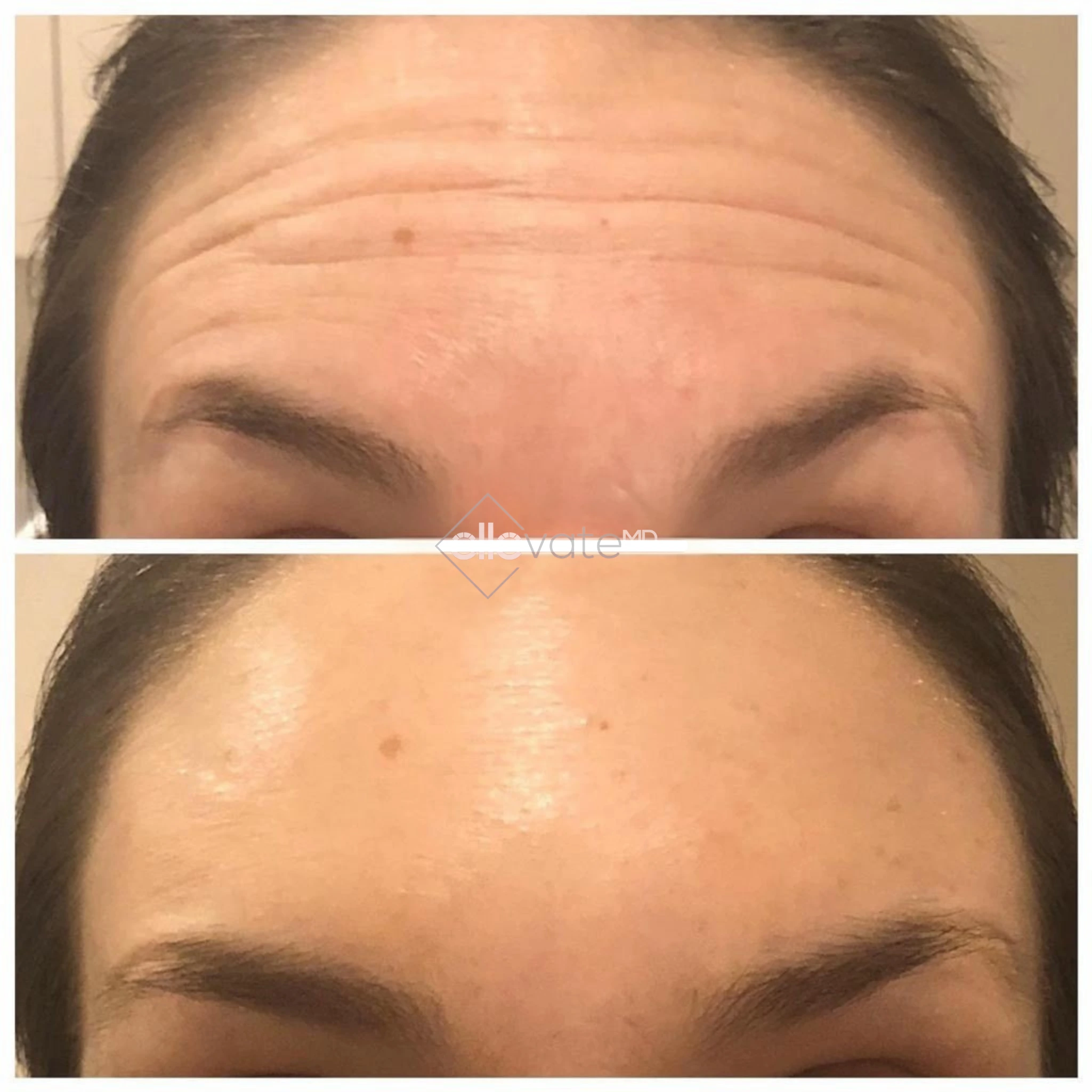
The treated area also matters, with some facial regions maintaining results longer than others. For instance, treatments around the forehead often last slightly longer than those around the mouth.

3. Dosage & Injection Technique

The dosage and injection technique used by your provider can significantly impact longevity. A skilled injector who understands facial anatomy will place the product precisely where it’s needed, maximizing both effectiveness and duration.

4. Age

Your age and skin condition also factor into the equation, as younger skin with less severe wrinkles may maintain results longer.

5. Fitness

Interestingly, people who exercise frequently or have particularly strong facial muscles may metabolize Botox faster.

6. History of Treatment

First-time users often find their initial treatment doesn’t last as long as subsequent ones, as the muscles haven’t yet adapted to the relaxation process.

Expected Timeline for Botox Results

The journey of your Botox results follows a predictable pattern. Within 24 to 48 hours after injection, you may notice subtle changes, but patience is key. The full effects of Botox injections typically become visible between 10 and 14 days post-treatment, as the product fully integrates with the nerve endings.

Once you reach peak results, you’ll enjoy your smoothest appearance for approximately 2-3 months. After this peak period, you’ll notice the effects gradually diminishing as your body metabolizes the product and muscle movement slowly returns. Most people schedule their next appointment around the 3-4-month mark, before the product wears off completely.

Some individuals find that with consistent treatments over time, their Botox duration actually increases. This happens because the muscles become trained to relax, potentially requiring less frequent touch-ups to maintain results.

Comparing Botox Treatment to Dermal Fillers

Many people wonder how Botox stacks up against dermal fillers, another popular cosmetic treatment. While both address signs of aging, they work differently and last for different lengths of time. Dermal fillers add volume to areas that have lost fullness, such as the cheeks or lips, and can last from 6 months to 2 years, depending on the type used.

Botox, on the other hand, specifically targets dynamic wrinkles caused by muscle movement. The treatments can be complementary, with many people using both to achieve comprehensive facial rejuvenation. Your aesthetic provider can help determine which option or combination best suits your goals.

Aftercare Instructions to Maximize the Effects of Botox

While you can’t completely control how long your treatment lasts, you can take steps to extend your results. Following your provider’s aftercare instructions is crucial for optimal outcomes. These typically include avoiding lying down for 4 hours after treatment, skipping strenuous exercise for 24 hours, and not rubbing or massaging the treated areas.

Protecting your skin from sun damage helps preserve both your Botox results and overall skin health. Daily sunscreen use and proper skincare can enhance the appearance of your treated areas and potentially extend the smooth results you’ve achieved.

Staying hydrated and maintaining a healthy lifestyle supports your body’s ability to hold onto results longer. While alcohol consumption won’t necessarily make Botox wear off faster, excessive drinking can contribute to inflammation and dehydration, which may affect your skin’s appearance.

Some practitioners suggest that taking zinc supplements may help extend Botox’s duration, though scientific evidence is limited. Always consult with your healthcare provider before adding new supplements to your routine.

Recognizing When It's Time for a Touch-Up

Knowing when to schedule your next appointment is part of maintaining consistent results. Most providers recommend booking your follow-up treatment when you start noticing muscle movement returning, typically before the effects completely disappear. This approach helps maintain a consistent appearance and may even help train your muscles over time.

Signs that it’s time for another session include the gradual return of fine lines in treated areas and increased muscle movement when making facial expressions. Scheduling appointments every three to four months creates a maintenance routine that keeps your appearance consistently refreshed.

Important Considerations for Your Health Conditions

Before pursuing Botox, it’s essential to discuss any health conditions with your provider. Certain neurological disorders, allergies to botulinum toxin, or pregnancy and breastfeeding status may affect whether Botox is appropriate for you. Being transparent about your medical history ensures your safety and the best possible outcomes.

People taking certain medications, particularly blood thinners or muscle relaxants, should inform their injector before treatment. These substances can affect both the procedure itself and how your body responds to the injections.

Making the Most Out of Your Botox Injections

Botox represents both a financial and time investment, so choosing a qualified provider is paramount. Board-certified professionals with extensive experience will deliver the safest, most effective treatments. Don’t be tempted by deeply discounted offers from unverified providers, as this can compromise both your safety and results.

Understanding what to expect from your Botox treatment helps you plan realistically and maintain the results you desire. While the standard 3-4-month duration applies to most people, your individual experience may vary. By working closely with a trusted provider and following proper aftercare, you can maximize the benefits of this popular cosmetic treatment and enjoy smoother, more youthful-looking skin for months.

Final Thoughts on the Duration of Botulinum Toxin Effects

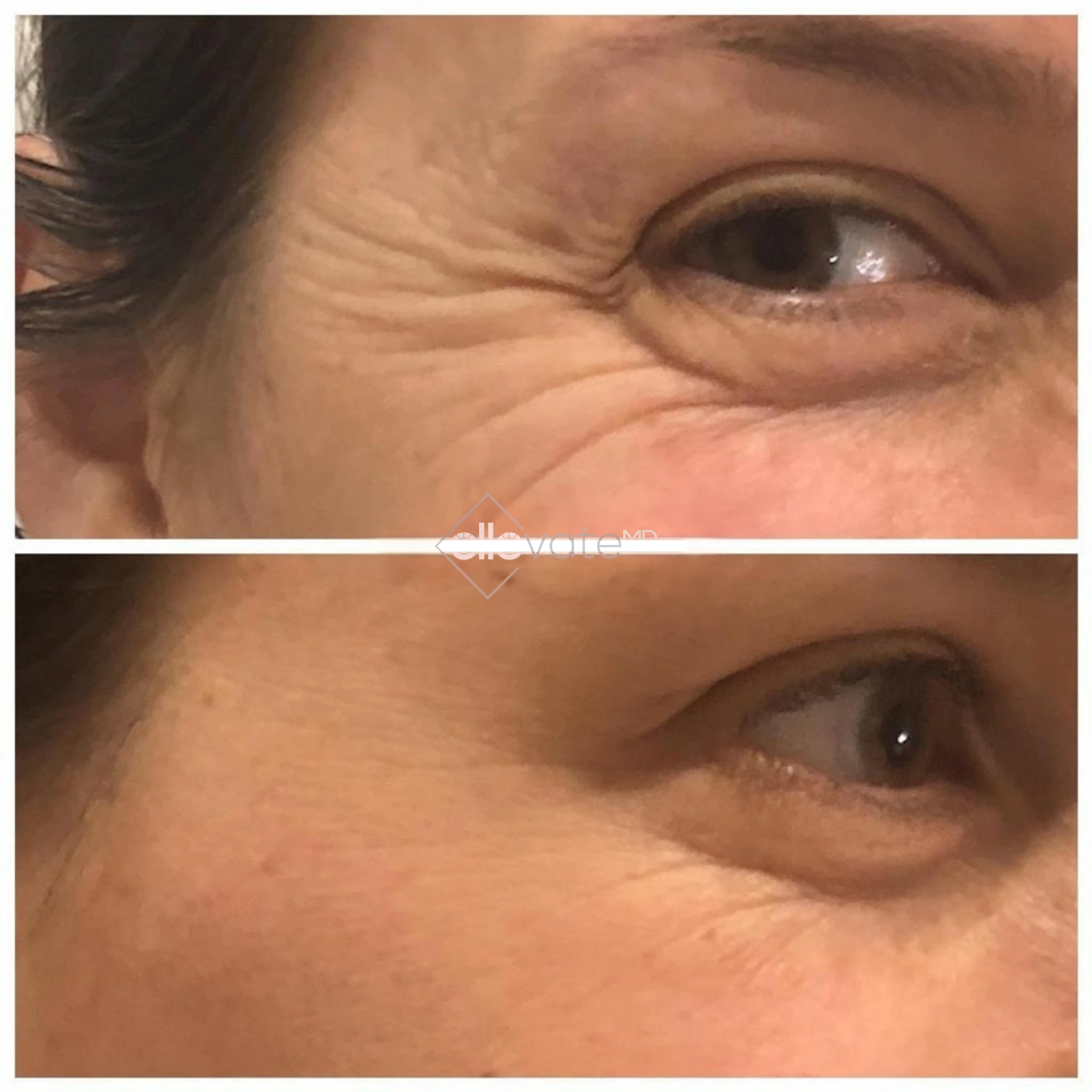
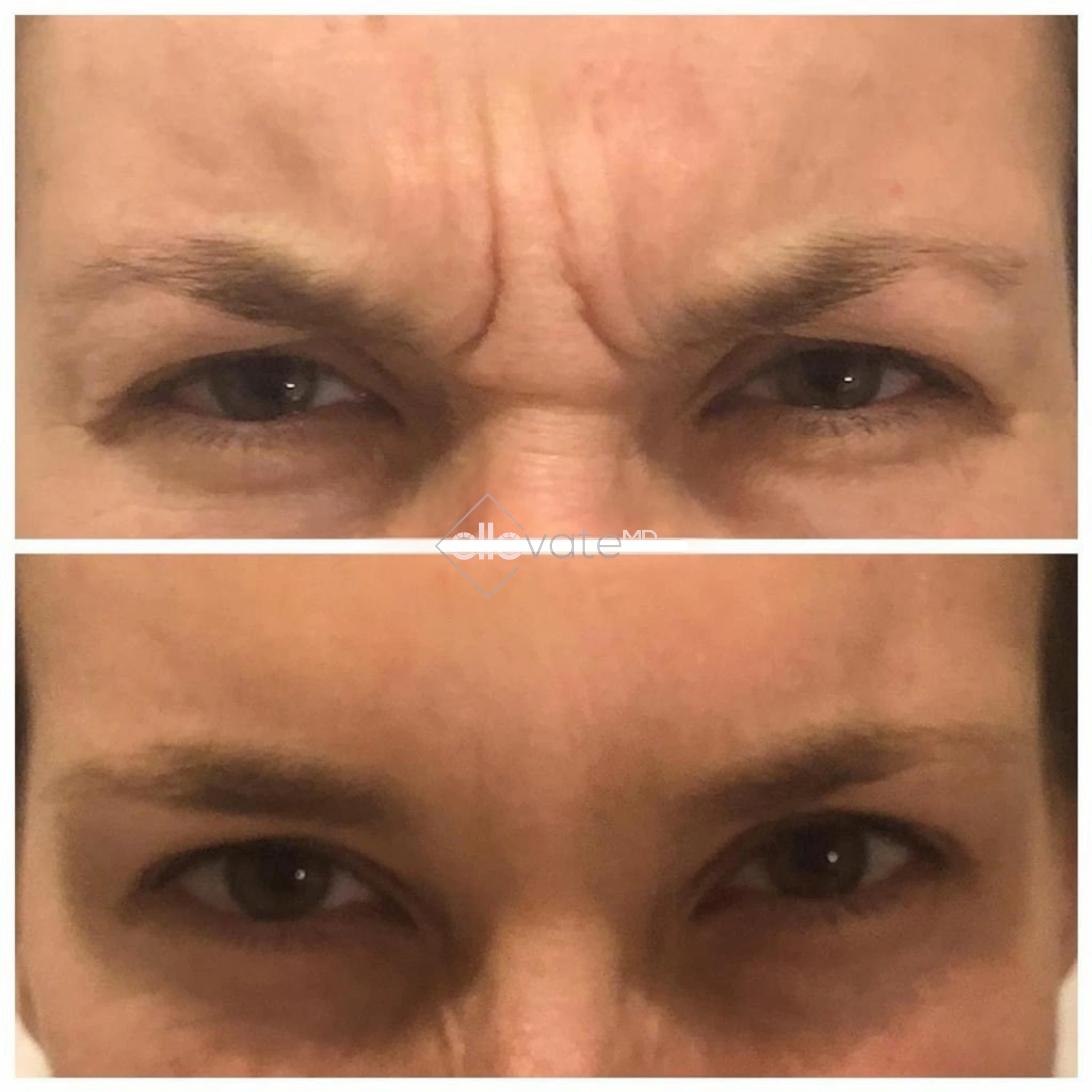
Many individuals are wondering, “How long does Botox last?” and the answer depends on numerous personal factors and treatment specifics. Botulinum toxin injections have proven remarkably effective at smoothing frown lines, forehead lines, crow’s feet, smile lines, and other dynamic wrinkles by temporarily reducing muscle activity in the treated muscles. Derived from Clostridium botulinum, this precise treatment targets the muscle groups responsible for facial wrinkles and lines.

Botox results typically appear within two weeks and last three to four months. However, factors such as the injection site and whether you’re receiving Botox treatment for the first time can affect the duration. While side effects are rare, it’s essential to be aware of potential issues such as temporary muscle weakness or blurred vision, which is why working with qualified plastic surgeons or trained professionals experienced in administering Botox is essential.

To achieve optimal results from injectable treatments, follow your provider’s guidance carefully and protect the injected muscles by avoiding manipulation of the injection site immediately after your first treatment. Reducing muscle tension through proper aftercare and protecting your skin with broad-spectrum sunscreen will help maintain the smooth, youthful appearance Botox provides. By understanding how the treatment affects facial lines and what influences its longevity, you can make informed decisions about your cosmetic care and maintain consistent, beautiful results that keep you looking and feeling your best.

Dr. Ann Jayaram
November 27, 2025