How Much Does Sofwave Cost?
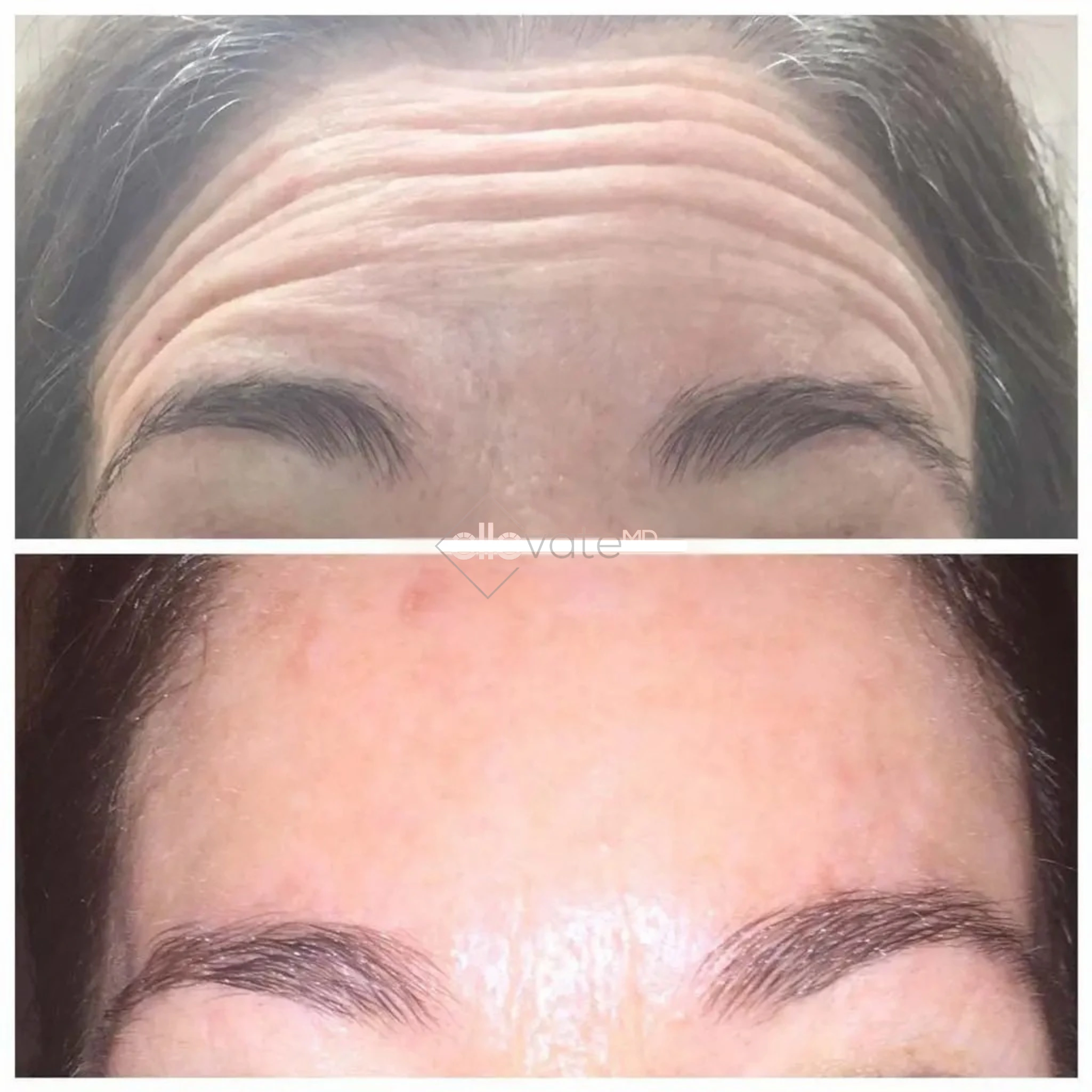
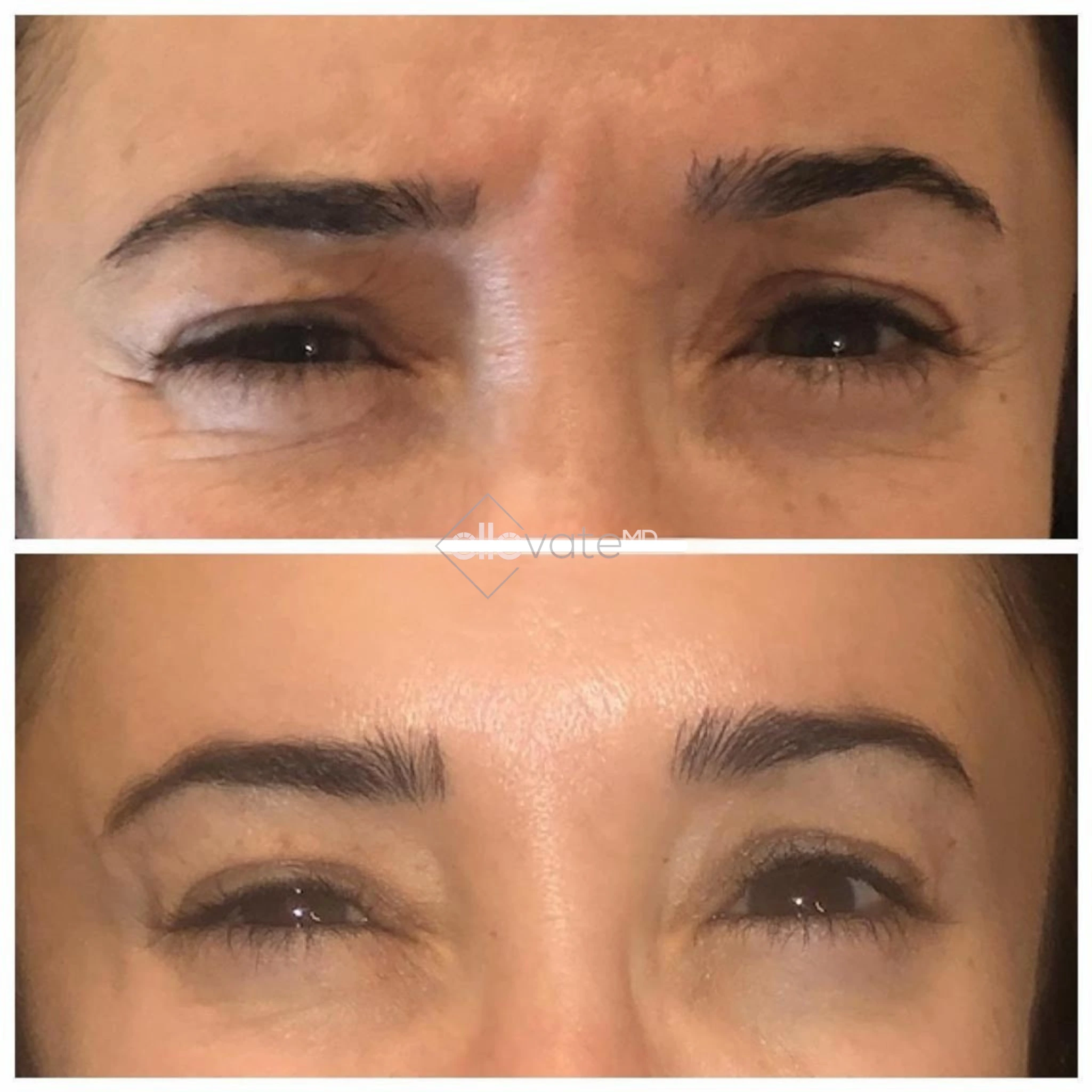
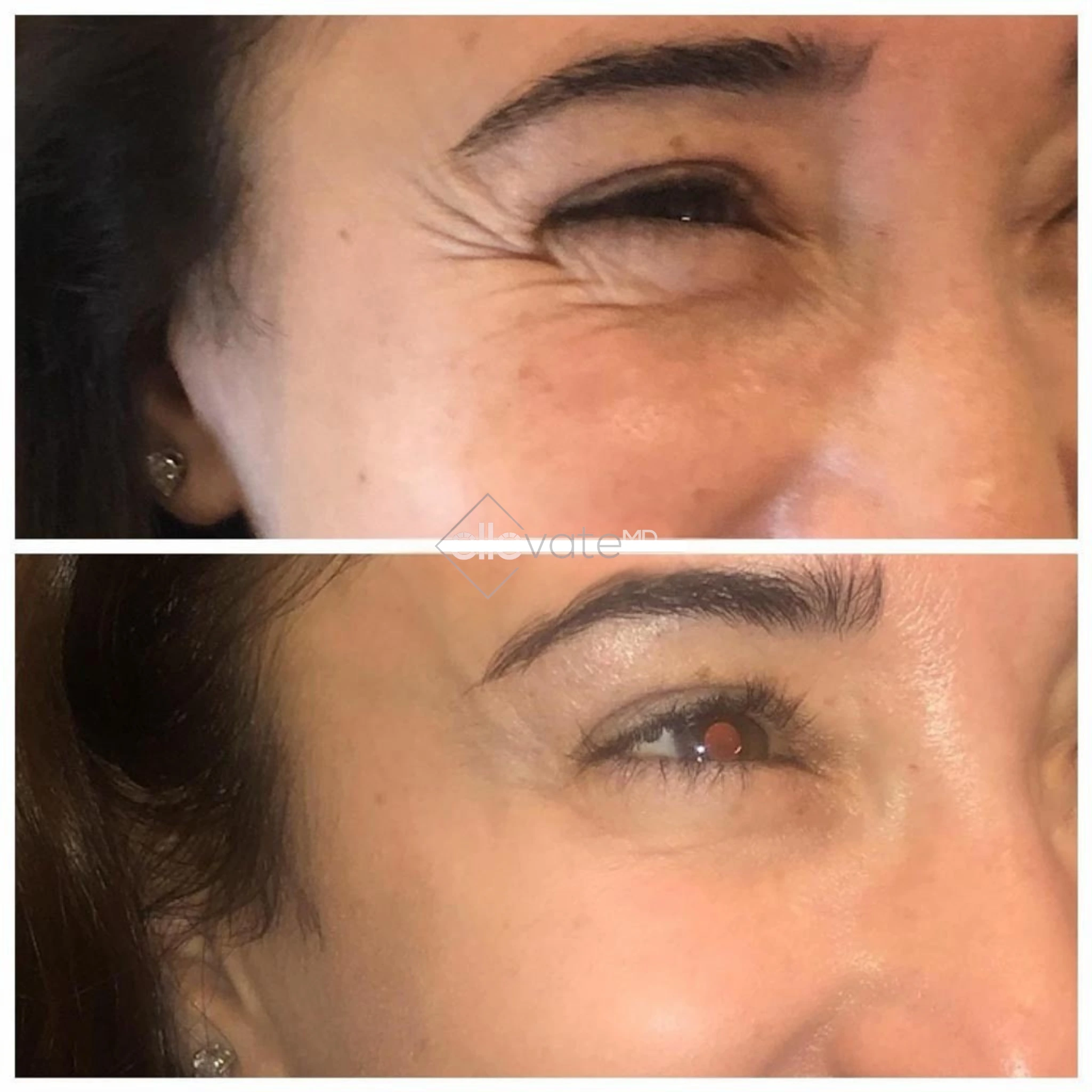
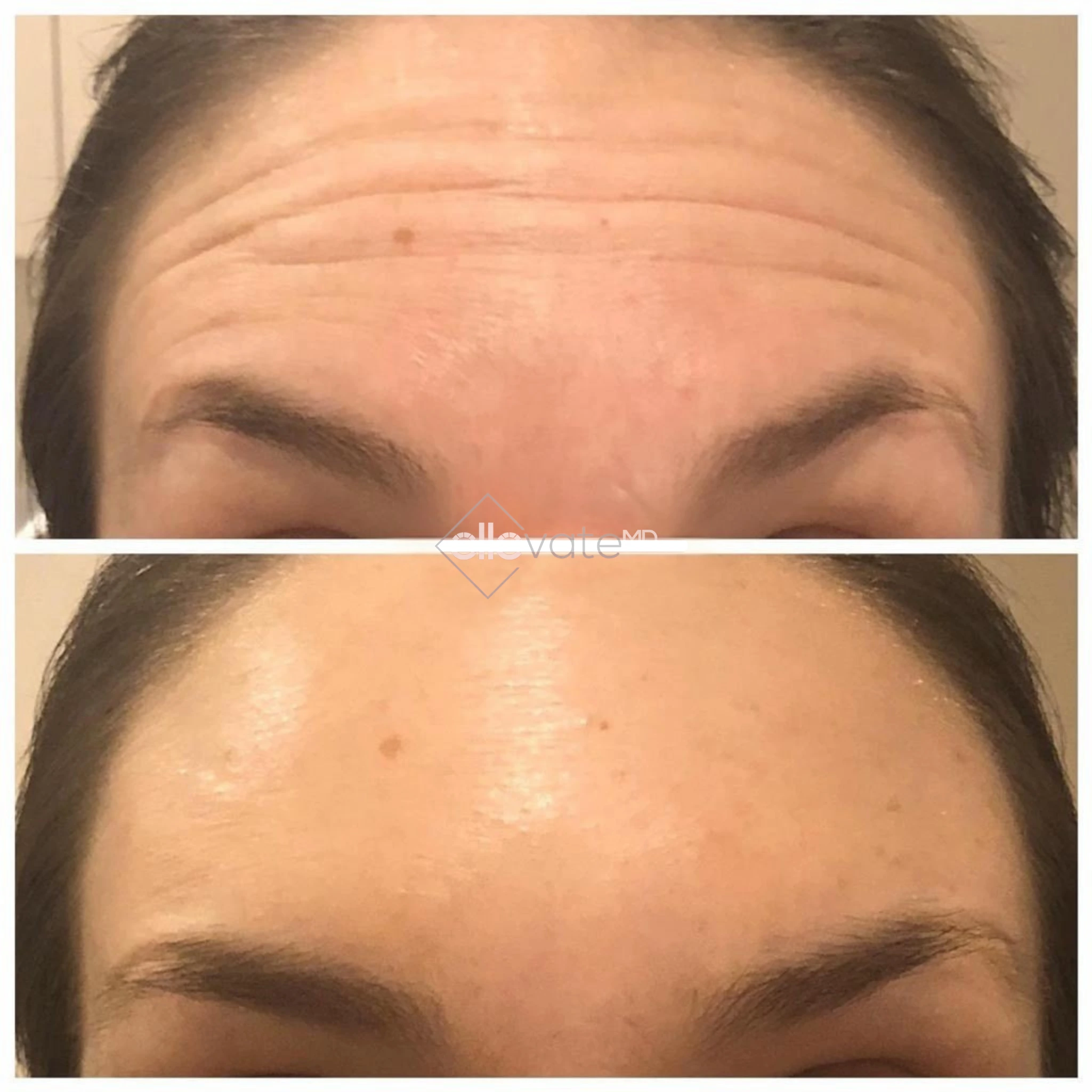
For many patients, Sofwave results can last around 12 months or longer, with ongoing improvement that builds gradually as your skin produces new collagen. Because Sofwave is designed to stimulate your skin’s own tightening and lifting response (rather than “filling” or surgically repositioning tissue), longevity varies by person, and maintenance treatments can help you stay ahead of normal aging.
In this guide, we’ll walk through the typical Sofwave timeline, what influences how long it lasts, and how it compares to other popular skin-tightening options offered in aesthetics today.
Sofwave is often chosen by people who want visible tightening and a refreshed look without the commitment or recovery of surgery. The key to understanding longevity is knowing how the results typically unfold over time.
A realistic Sofwave timeline often looks like this:
Right after treatment: Some patients notice a subtle “tightened” feel early on, but the most meaningful change is usually not immediate. Mild redness or temporary warmth can happen, and then most people return to their routine.
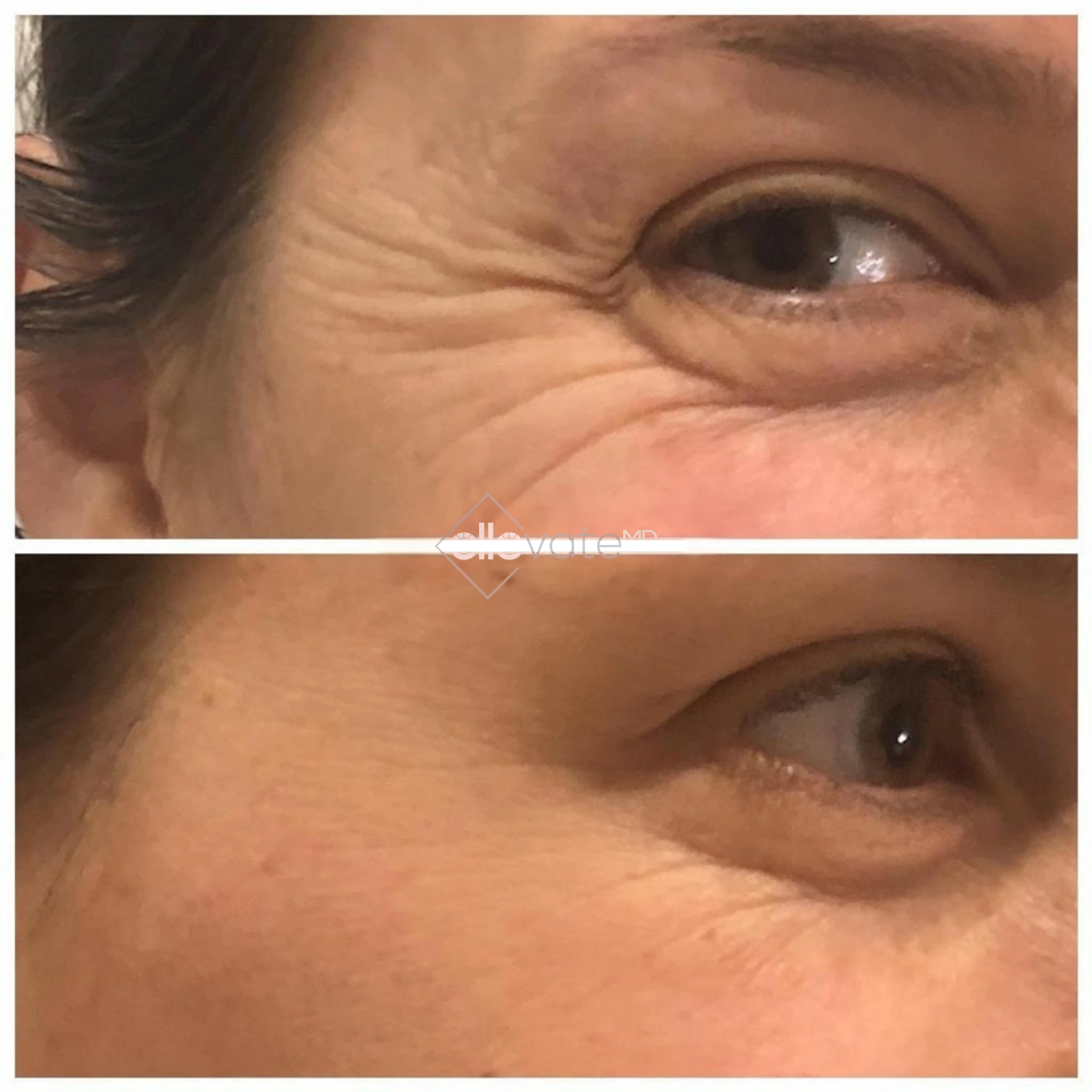
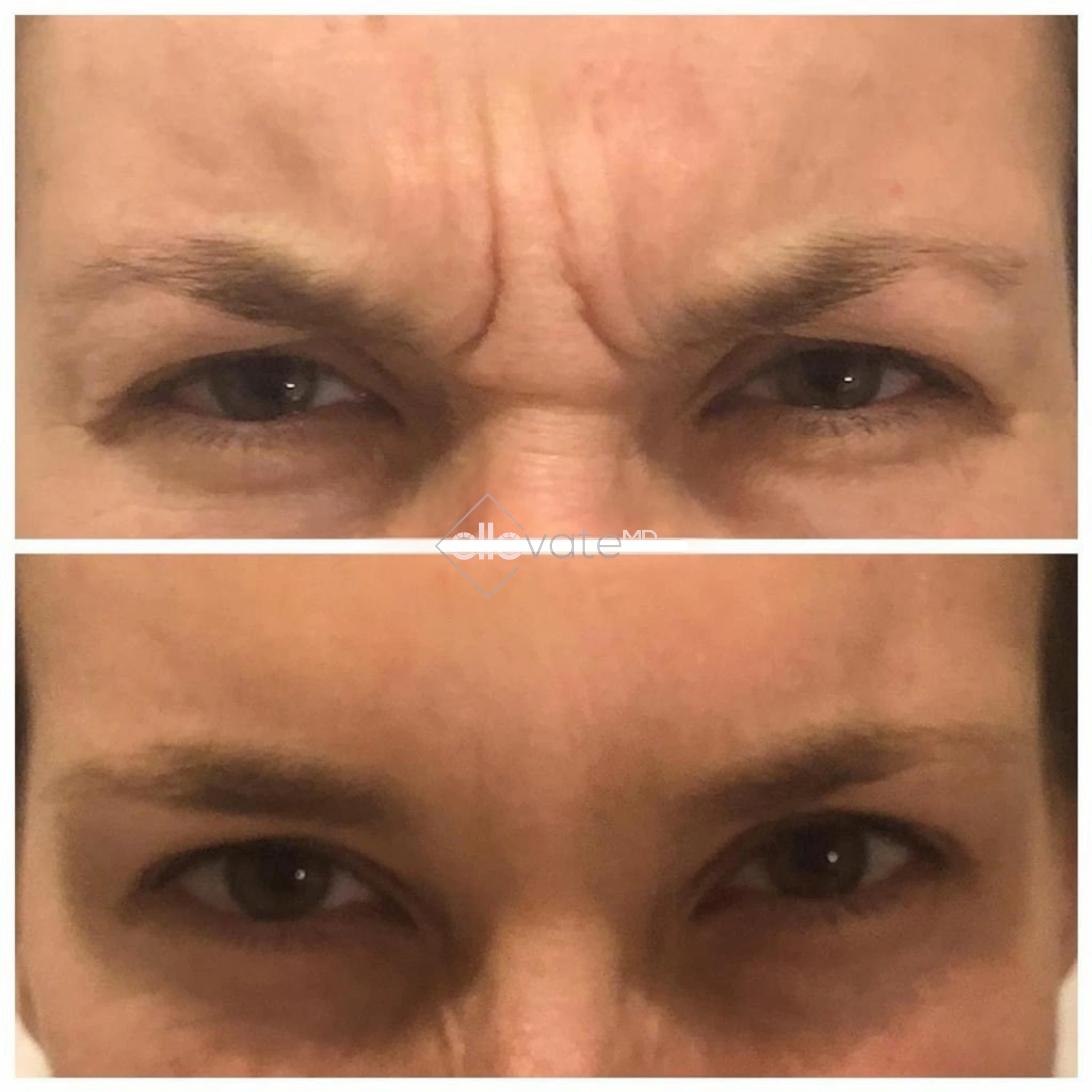
4-6 weeks: Many patients start to notice early changes – skin may look a bit firmer or smoother.
8-12 weeks: Improvements often become more noticeable as collagen remodeling continues.
3-6 months: This is a common window for peak visible improvement, especially in overall tightness and skin quality.
6-12+ months: Results may remain stable for many patients, then gradually soften as natural aging continues.
It’s also helpful to set expectations about what Sofwave can and can’t do. Sofwave is generally used for skin tightening and lifting effects. If your primary concern is significant excess skin (especially around the eyelids), a surgical option such as blepharoplasty may be more appropriate – something you can discuss during a consultation with Dr. Ann Jayaram, oculoplastic surgeon at Ellevate MD.
Sofwave results are influenced by both biology (how your skin responds) and lifestyle (how your skin is treated afterward). These are the variables that matter most.
Patients with mild to moderate laxity often see changes that feel both noticeable and natural-looking. When laxity is more advanced, Sofwave may still help, but results may be subtler or may need additional/ongoing treatments to maintain.
Collagen regeneration tends to be more robust in younger skin and naturally slows over time. That doesn’t mean Sofwave can’t help as you get older – it simply means the rate and magnitude of improvement can differ from person to person.
UV exposure is one of the biggest drivers of collagen breakdown. Even a strong initial response can fade faster if your skin continues accumulating sun damage. Daily sun protection is one of the most practical ways to help your Sofwave results last.
Using high-quality, consistent skincare, especially daily sunscreen, supports the collagen you’re working to preserve. Patients who treat Sofwave as a “one-and-done” event may not hold on to results as long as those who treat it as part of a broader skin strategy.
Hydration, sleep, stress management, and nicotine exposure can all influence skin quality over time. While Sofwave can stimulate tightening, your day-to-day habits affect how quickly collagen degrades.
The longevity of results can also be influenced by whether your plan includes:
Treating the right areas (face, jawline, neck, etc., depending on your concerns)
Combining complementary treatments (when appropriate)
Scheduling maintenance at the right interval (rather than waiting until results fully fade)
Many patients comparing treatments are really trying to answer two questions:
What will look the most natural on me?
How long will it last once I do it?
Below is a practical overview of how Sofwave is commonly discussed alongside other well-known tightening technologies. This is not a substitute for a personalized evaluation, but it can help you understand where Sofwave typically fits in.
How they’re often positioned:
Sofwave: Focuses on collagen stimulation for tightening/lifting with a gradual result.
Morpheus8 (RF microneedling): Combines microneedling with radiofrequency energy and is often used for texture and tightening, with treatment plans that may involve a series.
Longevity considerations: Both approaches improve collagen and firmness. In general, outcomes for collagen-stimulating treatments are often discussed in the “many months to about a year (or longer)” range, with maintenance depending on aging, skin quality, and consistency.
If you’re exploring RF microneedling options, you can also review Ellevate MD’s RF microneedling page.
Here’s the Sofwave vs. Ultherapy section written to match the tone and structure of the existing content:
How they’re often positioned:
Sofwave: Uses synchronous ultrasound parallel beam (SUPERB™) technology to deliver energy at a consistent mid-dermal depth, focusing on collagen stimulation with maximum comfort.
Ultherapy (focused ultrasound): Delivers energy at deeper tissue depths and is FDA-cleared for lifting the brow, neck, and décolletage. It is often discussed for patients seeking a structural lift, though it has a reputation for greater discomfort during treatment.
Longevity considerations: Both technologies work by stimulating the body’s natural collagen response, so results build gradually over two to three months and are not immediate. Ultherapy has a longer track record in clinical literature and is frequently cited in the “one to two year” range for maintained results. Sofwave, as a newer platform, is generally discussed in a similar timeframe, with ongoing studies continuing to characterize its durability. As with any collagen-stimulating treatment, individual results will vary based on age, skin laxity, and lifestyle factors.
Comfort and downtime: Sofwave is commonly noted for minimal discomfort and little to no downtime. Ultherapy is effective but is more frequently associated with treatment-day discomfort, which some patients manage with topical numbing or over-the-counter pain relief beforehand. Neither treatment typically requires social downtime.
Results last longer when you protect the collagen you’ve built. Here are practical, patient-friendly ways to do that.
Sun exposure accelerates collagen breakdown. A simple routine – broad-spectrum sunscreen every day – helps preserve firmness and texture.
Consistency beats intensity. A sustainable routine (cleanse, moisturize, SPF) tends to support longer-term skin quality. If you use active ingredients, keep them aligned with your skin tolerance and goals.
Many people maintain results better when they think in seasons:
A collagen-stimulating treatment (like Sofwave) on a planned interval
Complementary treatments to support tone, texture, and pigment over time
If you’re addressing sun damage or resurfacing concerns, Ellevate MD also offers options such as Fraxel Laser, which may be discussed as part of a broader plan, depending on your skin goals.
Sofwave can be part of a bigger picture. For example:
Neurotoxin treatments can help soften expression-related lines (you can learn more about Botox at Ellevate MD).
Dermal fillers can restore volume in targeted areas (see Fillers).
Resurfacing treatments can address texture and sun damage, supporting overall skin quality.
The right combination depends on your anatomy and goals – and, importantly, what looks natural on you.
Maintenance is often more efficient when you refresh collagen before laxity becomes obvious again. Think of it as staying on top of skin aging rather than “starting over” each time.
Follow-up treatments aren’t “required,” but they are common, especially for patients who want to maintain a consistent level of firmness as they continue to age.
Here’s a straightforward way to think about it:
If you want a one-time improvement: Many patients are happy after a single treatment cycle and simply monitor how they feel over time.
If you want to maintain momentum: A maintenance approach (often around yearly intervals, depending on individual response) can help sustain tightening and reduce the chance of a noticeable “drop-off.”
The most helpful way to decide is to evaluate:
How much improvement did you achieve at peak (often several months after treatment)
How quickly do you notice softening afterward
Whether your goals are preventive (subtle, consistent upkeep) or corrective (more noticeable change)
Because Ellevate MD is led by Dr. Ann Jayaram, an oculoplastic surgeon known for precision and natural-looking results, your consultation can also clarify when a non-surgical approach like Sofwave makes sense – and when a surgical option may better match your anatomy and goals.
If you’d like to learn more about our practice, visit Ellevate MD or review background information on the About page.
For many patients, Sofwave results last about 12 months or longer, with gradual improvement that builds over several months and fades slowly as aging continues. Longevity depends on your starting laxity, collagen response, sun exposure, and skincare habits, and many people choose periodic maintenance to keep results consistent.