How Much Does Eyelid Surgery (Blepharoplasty) Cost?

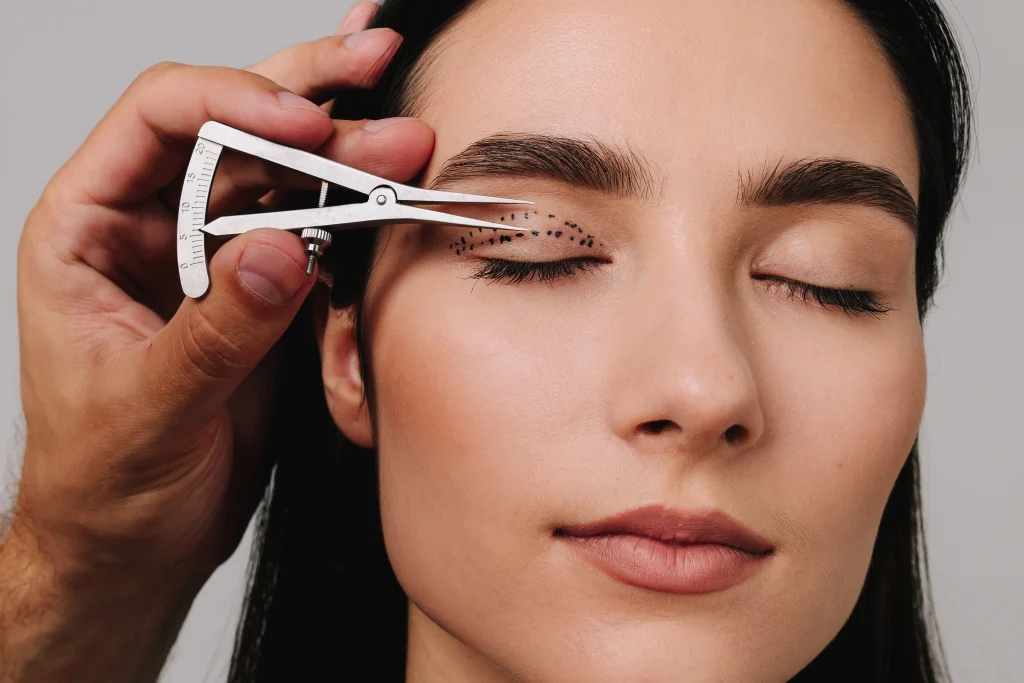
Table of contents
1.
2.
5.
6.
7.
8.
9.
Your eyes are often the first thing people notice about you. When drooping upper lids or puffy lower bags start making you look tired, older, or less vibrant than you feel, it’s natural to start exploring solutions. If you’re wondering, “How much is blepharoplasty?” you’ve come to the right place.
Most patients in the United States can expect to pay anywhere between $3,000 and $8,000 for eyelid surgery, depending on whether they’re treating the upper lids, lower lids, or both. This price range, however, is just the starting point. The true out-of-pocket cost depends on several factors, including your surgeon’s experience, your location, the surgical facility, and whether additional procedures are combined with your surgery.
What Is the Eyelid Surgery Cost?
Breaking down the price of blepharoplasty helps you understand exactly what you’re paying for and why quotes can vary so dramatically from one practice to another.
Here’s a general look at typical price ranges by procedure type:
Upper blepharoplasty (both eyes): $3,000 – $5,500
Lower blepharoplasty (both eyes): $3,500 – $6,500
Upper and lower combined: $5,000 – $10,000+
Asian blepharoplasty (double eyelid surgery): $3,000 – $6,000
These figures typically include the surgeon’s fee but may or may not include anesthesia, the surgical facility, pre-operative lab work, and post-operative care. Always ask for an itemized quote during your consultation so you know exactly what’s included.
What Is a Blepharoplasty Procedure?
Before diving deeper into pricing, it helps to understand what you’re actually paying for. A blepharoplasty is a surgical procedure that removes or repositions excess skin, fat, and muscle from the eyelids. It can be performed on the upper eyelids, lower eyelids, or both simultaneously.
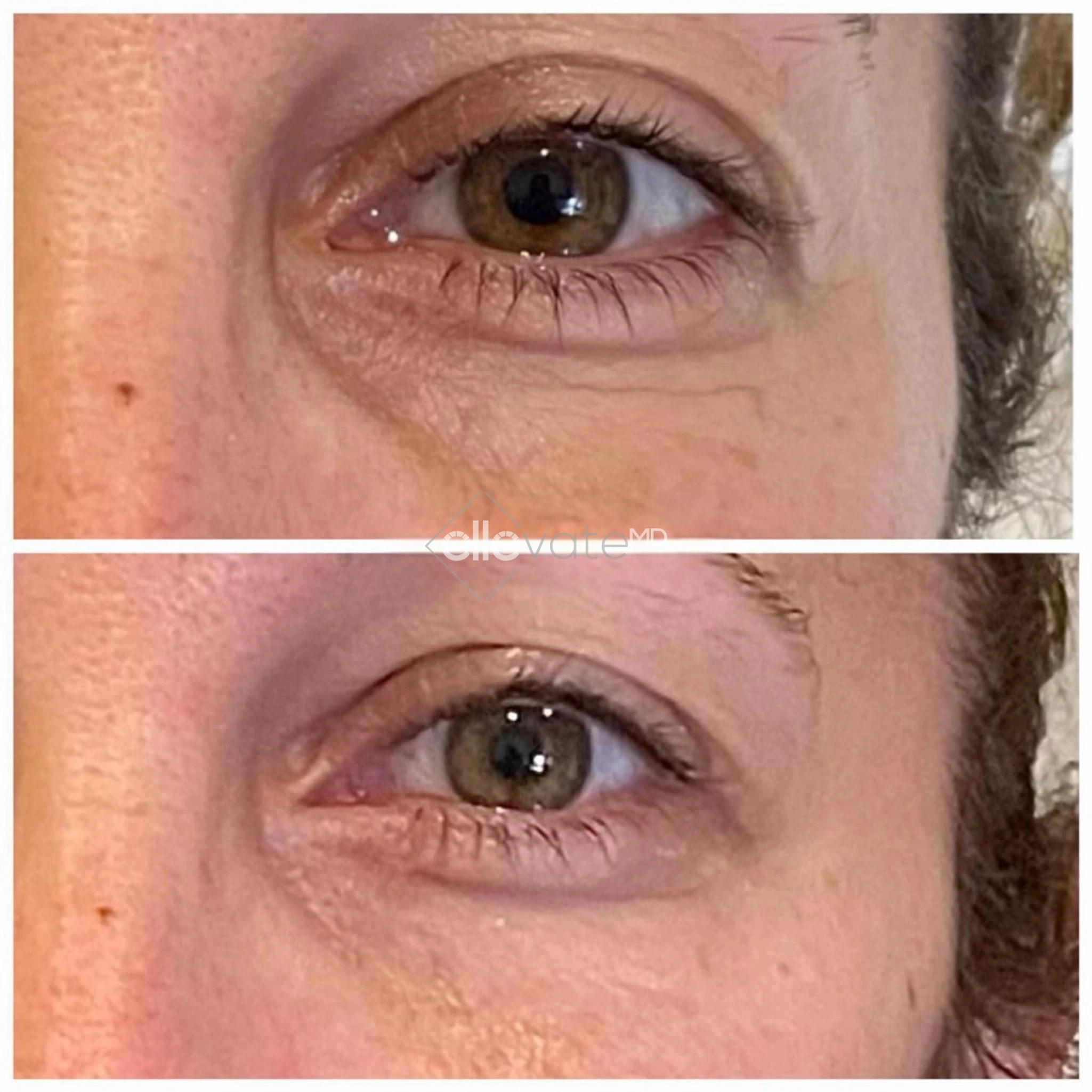
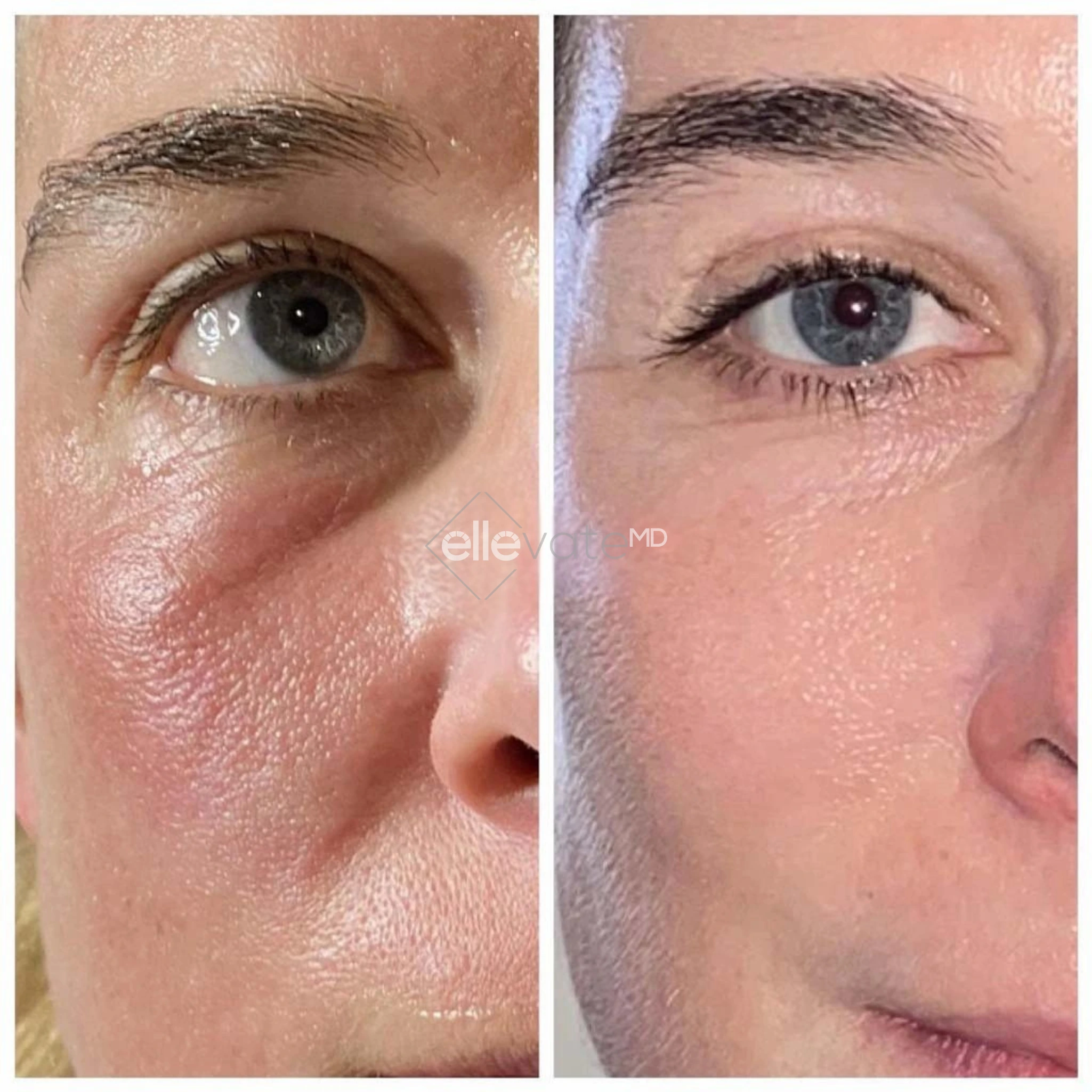
Upper lid surgery primarily addresses sagging or hooding that can impair your field of vision or simply make you look perpetually exhausted. Lower lid surgery targets under-eye bags and excess skin that casts shadows and adds years to your appearance. Recovery typically takes one to two weeks for most swelling and bruising to subside, with full results visible within a few months.
The Different Types of Blepharoplasty Surgery
Not all eyelid surgeries are created equal. Blepharoplasty surgery can range from a minor in-office procedure under local anesthesia to a more complex operation performed in a hospital setting. The type of surgery recommended for you will directly influence the final cost.
Transconjunctival blepharoplasty, for example, involves an incision placed inside the lower eyelid and leaves no visible scar. This technique is often used for younger patients with good skin elasticity and typically costs less than traditional approaches. More complex cases involving significant skin laxity or ptosis correction, where the eyelid muscle itself is repaired, require more surgical time and skill, pushing the price higher.
How Cosmetic Procedures Are Priced
Understanding how cosmetic procedures are priced in general can help you make sense of the numbers you’ll encounter during your research. Unlike medical treatments, where insurance drives much of the cost structure, elective cosmetic surgery pricing is largely market-driven.
Several factors influence what you’ll pay:
Geographic location: Surgeons in major metropolitan areas like New York City, Los Angeles, or Miami typically charge significantly more than those in smaller cities or rural areas.
Surgeon’s experience and reputation: A highly sought-after specialist with decades of experience will command higher fees than a newly board-certified surgeon.
Facility type: Hospital operating rooms cost more than accredited outpatient surgical centers.
Complexity of your case: If your surgery requires ptosis repair or is combined with a brow lift, expect a higher overall price.
Operating time: Longer surgeries mean higher fees across the board.
Understanding Anesthesia Fees
One cost that often surprises patients is the anesthesia fees. Anesthesia is billed separately from your surgeon’s fee and can add anywhere from $500 to $1,500 to your total, depending on the type used and the length of your procedure.
Upper eyelid surgery is frequently performed under local anesthesia with oral sedation, which is less expensive. Lower eyelid surgery and combined procedures are more commonly performed under IV sedation or general anesthesia, which requires a licensed anesthesiologist or certified registered nurse anesthetist (CRNA), and a correspondingly higher fee.
Make sure to ask your surgeon upfront which type of anesthesia will be used and whether it is included in the quoted price.
Why You Should Choose a Board-Certified Plastic Surgeon
When it comes to your eyes, this is not the place to cut corners. Choosing a board-certified plastic surgeon, or an oculoplastic surgeon, who specializes specifically in the eye area, is one of the most important decisions you’ll make in this process.
Board certification through the American Board of Plastic Surgery (ABPS) or the American Board of Ophthalmology ensures your surgeon has completed rigorous training, passed comprehensive exams, and adheres to strict ethical standards. While a certified surgeon may charge more, the investment protects you from complications, asymmetry, and the need for costly revision surgery down the line.
Is an Eyelid Lift Worth the Investment?
For most patients, an eyelid lift delivers results that are both meaningful and long-lasting. Unlike injectables, which need to be repeated every few months, blepharoplasty results typically last 7 to 10 years or more, and some patients never need a repeat procedure.
Beyond aesthetics, many patients report a significant improvement in confidence, alertness in their appearance, and, in some cases, actual functional improvement in their peripheral vision. When spread over a decade, the cost per year becomes far more reasonable than it might initially appear.
Is Blepharoplasty Covered by Insurance?
Whether or not blepharoplasty is covered by insurance is one of the most common questions patients ask, and the answer depends entirely on why you’re having the surgery. When the procedure is performed purely for cosmetic reasons, insurance will not cover it.
However, if drooping upper eyelids (ptosis) are severe enough to obstruct your vision, your insurance may cover the functional portion of the surgery. To qualify, you’ll typically need to undergo a visual field test conducted by an ophthalmologist that demonstrates documented impairment. Your surgeon’s office can often help you navigate the prior authorization process and submit the appropriate documentation. Even when insurance covers the functional component, the cosmetic portion, such as lower lid work, will still be your financial responsibility.
Blepharoplasty Financing Options
If the upfront cost feels out of reach, financing options for blepharoplasty make the procedure accessible to many patients. Most reputable plastic surgery practices offer payment plans through third-party medical financing companies.
Popular options include CareCredit, Alphaeon Credit, and Prosper Healthcare Lending, all of which offer promotional periods with low or zero interest if paid within a set timeframe. Some practices also offer in-house payment plans. Before choosing a financing plan, read the terms carefully. Deferred interest promotions can become costly if the full balance isn’t paid before the promotional period ends.
The bottom line is that eyelid surgery is a meaningful investment in both your appearance and, in some cases, your health. By understanding all the components that go into the final price, you’ll be far better equipped to budget realistically, ask the right questions during consultations, and find a qualified surgeon who delivers exceptional results.
Book Your Blepharoplasty Procedure at ellevateMD
If you’re ready to take the next step toward more youthful eyes, ellevateMD is here to guide you through every stage of the process. Dr. Jayaram is a skilled surgeon with board-certifications and fellowship training, bringing a level of expertise and precision to eyelid surgery that patients trust and rely on. Whether you’re bothered by loose skin on your upper or lower eyelids, or you’ve been advised to consider surgery for medical reasons, our reputable surgeon will take the time to fully understand your goals and concerns.
During your initial consultation, Dr. Jayaram will review your medical history, discuss the details of the surgical procedure, and walk you through all associated costs so there are no surprises along the way. If any medical tests are required before undergoing eyelid surgery, our team will help coordinate everything seamlessly. From your first appointment to your final follow-up, ellevateMD is committed to delivering exceptional care and results that speak for themselves.
Contact us today to schedule your consultation and find out what blepharoplasty can do for you.
Final Thoughts: How Much Is Blepharoplasty?
So, how much does blepharoplasty cost? The answer varies based on a wide range of factors, including the surgeon’s expertise, the complexity of the procedure, and where you choose to have it done. Whether you’re dealing with droopy eyelids or excess skin that’s affecting your confidence or vision, cosmetic eyelid surgery offers a proven solution with long-lasting results. An upper eyelid lift and a lower eyelid procedure each have an average cost range, and more complex procedures – such as those combined with facial fat transfer or skin tightening – will naturally sit at the higher end of the spectrum. Alternatives like laser blepharoplasty may also influence your final quote.
When budgeting, remember to account for surgical fees, anesthesia, and facility fees, as these all contribute to your total out-of-pocket expense. Many plastic surgeons offer financing plans to help make the process more manageable, and both Flexible Spending Accounts (FSAs) and Health Savings Accounts (HSAs) can often be used to offset costs when the procedure is deemed medically necessary.
Most health insurance plans do not cover cosmetic surgery, meaning the majority of patients pay entirely out of pocket for correcting drooping eyelids or sagging skin that is purely aesthetic in nature. However, if your condition has been determined to impair your vision, there is a possibility that insurance coverage may apply to at least a portion of the procedure, so it’s always worth checking with your provider. Experienced surgeons will help you navigate this process and provide the documentation needed to support a medical claim where applicable.
After undergoing blepharoplasty, most patients are pleasantly surprised by how smooth the recovery process is. Mild discomfort, some swelling, and bruising are normal in the first week, but recovery time is relatively short compared to many other surgical procedures. When you choose a qualified, board-certified surgeon who takes the time to understand your needs and remove excess skin safely and skillfully, the results can be truly transformative, making every dollar spent a worthwhile investment in yourself.