How to Choose an Oculoplastic Surgeon in Atherton?

How to Choose an Oculoplastic Surgeon in Atherton?
Choose a board-certified, fellowship-trained oculoplastic surgeon with extensive experience in eyelid and periorbital procedures, who demonstrates consistent, natural-looking results and provides a thorough consultation. The eyelid is the thinnest skin on the body and sits directly over the eye, so your surgeon should specialize in this complex area rather than treat it as a secondary focus.
Dr. Ann Jayaram is a board-certified oculoplastic surgeon who has performed more than 7,000 eyelid procedures and developed her own signature technique, the Ellevate Lid Lift.
Understanding Oculoplastic Surgery
Oculoplastic surgery is the subspecialty devoted to the eyelids, tear ducts, orbit (eye socket), and surrounding tissues. Surgeons in this field begin as ophthalmologists – trained to protect vision and manage the eye itself – then complete additional plastic and reconstructive fellowship training focused entirely on the periorbital region. That combination matters: blinking, tear film, lid closure during sleep, and peripheral vision all depend on millimeters of tissue.
Conditions Treated by Oculoplastic Surgeons
Dermatochalasis: Excess, hooded upper eyelid skin that can block peripheral vision
Ptosis: A weak or stretched lid muscle causing one or both eyelids to droop
Lower eyelid bags: Protruding orbital fat pads, puffiness, and hollowing
Tear trough deformities: Under-eye hollows that create dark circles and shadowing
Eye asymmetry: Natural or post-traumatic differences, where one eye looks smaller or more tired
Entropion/ectropion: Eyelids that turn inward or outward, causing irritation
Eyelid laxity or malposition requiring lower lid support
Chalazia and styes: Blocked oil glands requiring treatment or removal
Xanthelasma: Yellowish cholesterol deposits on or around the eyelids
Eyelid lesions: Benign and malignant growths
Poorly placed filler in the delicate under-eye area
Key Qualifications to Look For
Extensive Training in Eye Anatomy
Ask where the surgeon trained and how much of that training involved the eye itself. Surgeons who began in ophthalmology understand corneal health, dry eye, tear film, the lacrimal system, and lid mechanics. That background is why an oculoplastic surgeon may recommend a more conservative plan for a dry-eye patient, or a different technique for someone with lower lid laxity.
Microsurgical Precision
Eyelid skin is roughly as thin as a sheet of paper, and corrections happen in millimeters. Precision comes from repetition – the surgeon who operates on eyelids nearly every workday develops consistency that occasional operators cannot match.
Our signature procedure – Ellevate Lid Lift – is performed in-office under local anesthesia, with the patient awake, in about 30 minutes. Many patients drive themselves home afterward.
What Board Certification Really Means
Board certification means a physician completed an accredited residency and passed demanding written and oral examinations from a recognized specialty board – for oculoplastic surgeons, typically the American Board of Ophthalmology. It also requires ongoing education and periodic recertification.
Why ASOPRS Fellowship Is the Gold Standard
Fellowship training through the American Society of Ophthalmic Plastic and Reconstructive Surgery (ASOPRS) is widely regarded as the gold standard. These fellowships are highly competitive, last one to two years beyond residency at an approved institution, and require a scientific thesis plus additional written and oral exams focused entirely on the eyelids, orbit, and tear system.
Procedure-Specific Expertise
Upper and lower eyelid surgery are not the same operation. Lower lid work is more complex – involving fat, lid support, midface position, and a choice among several techniques based on your anatomy. Ask how many cases of your procedure the surgeon performs.
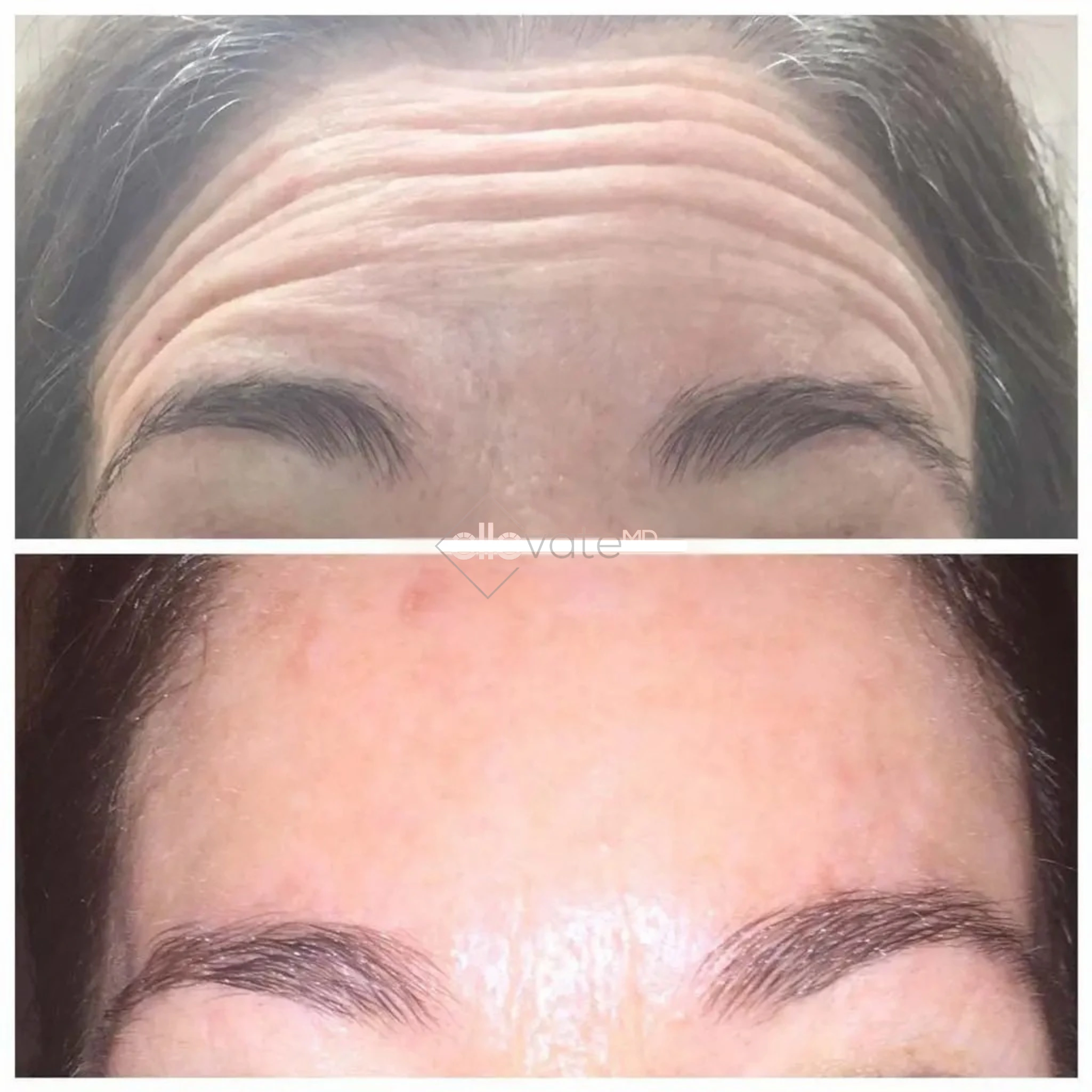
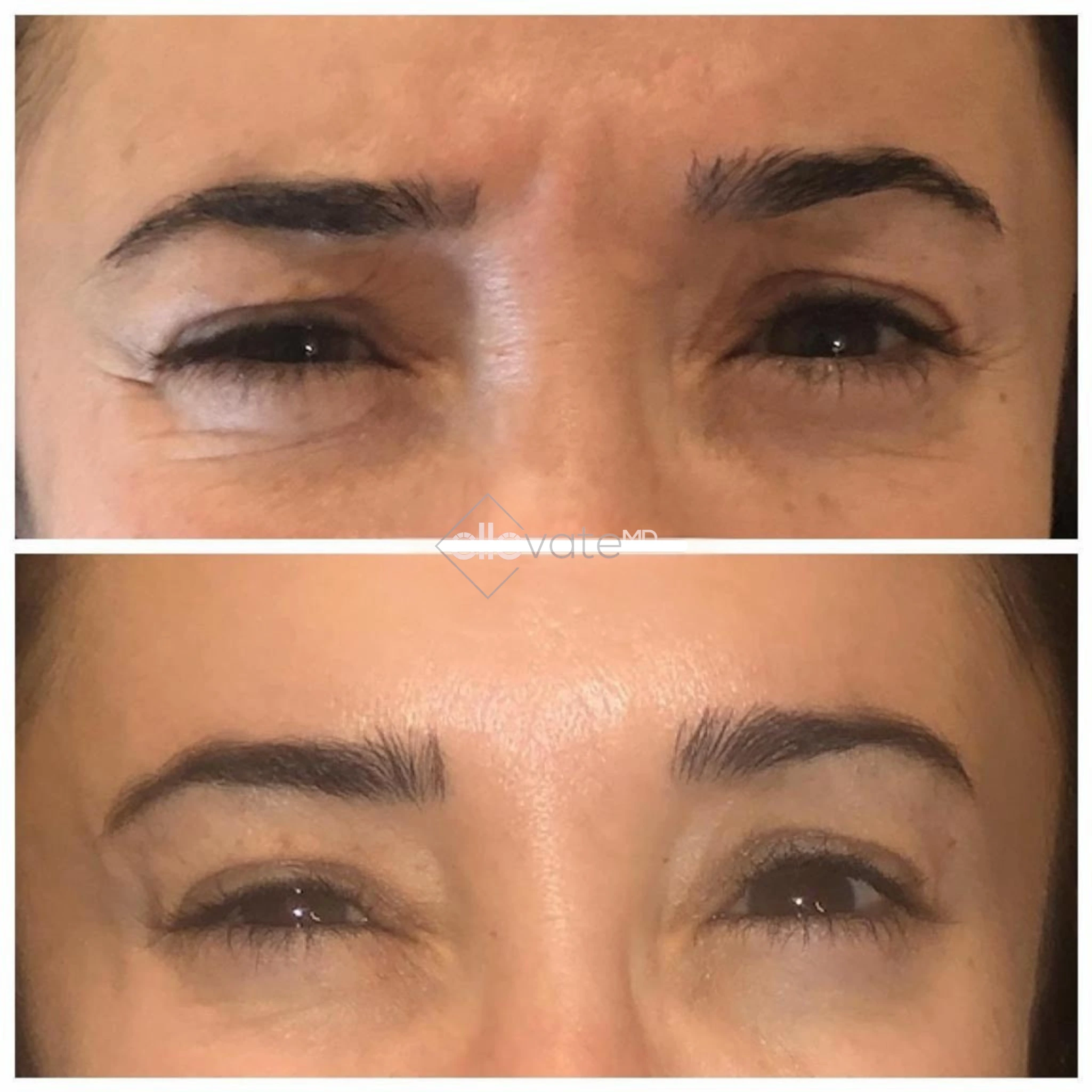
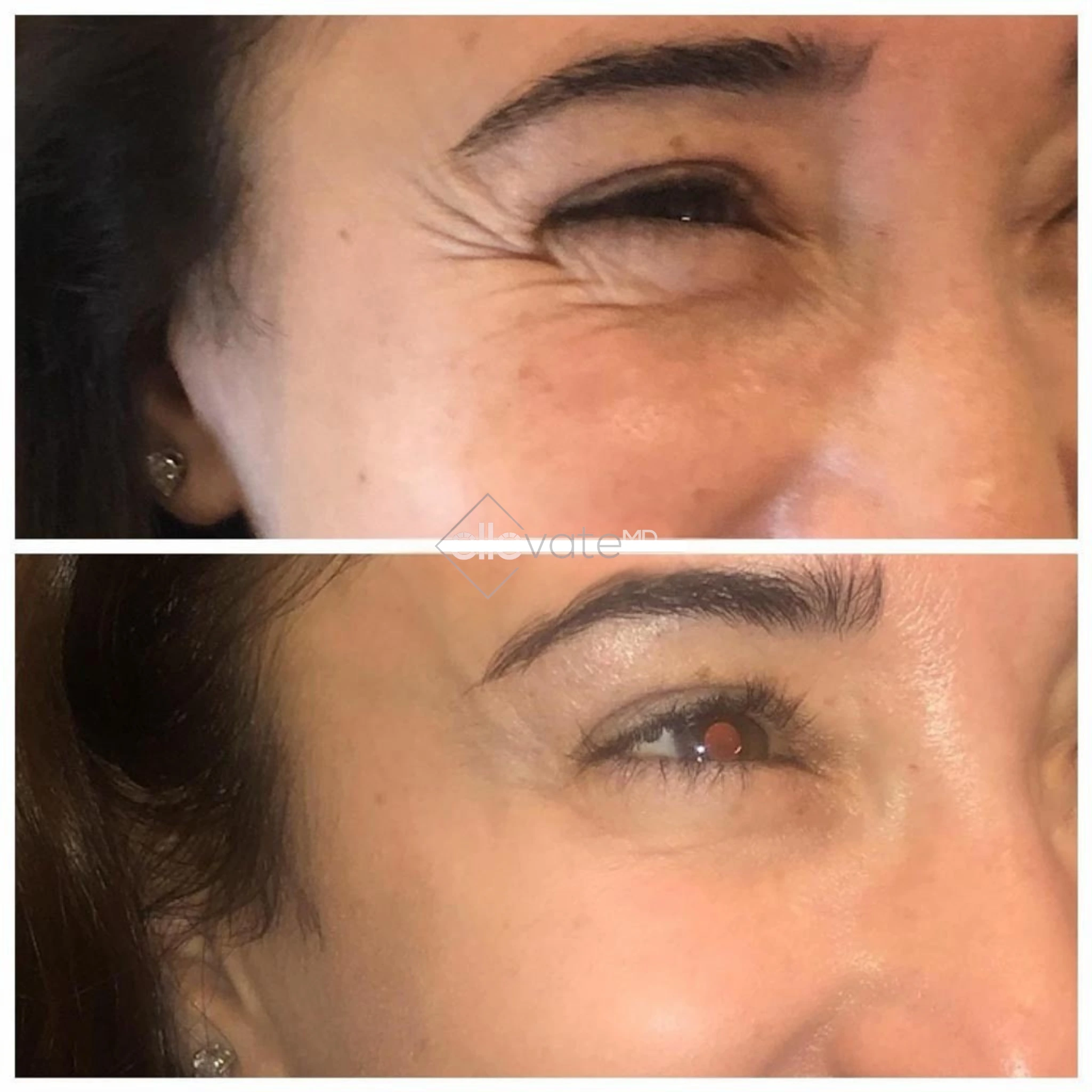
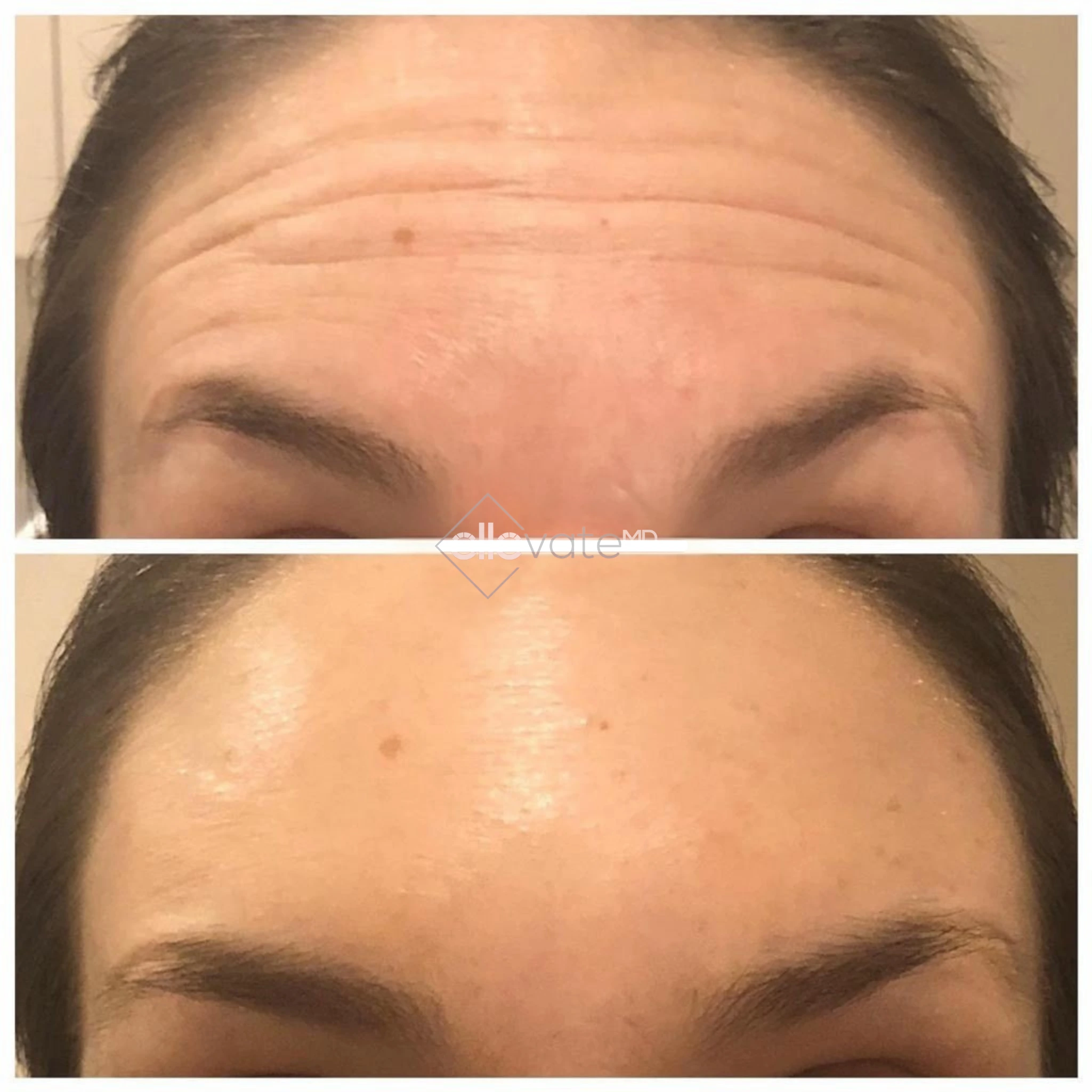
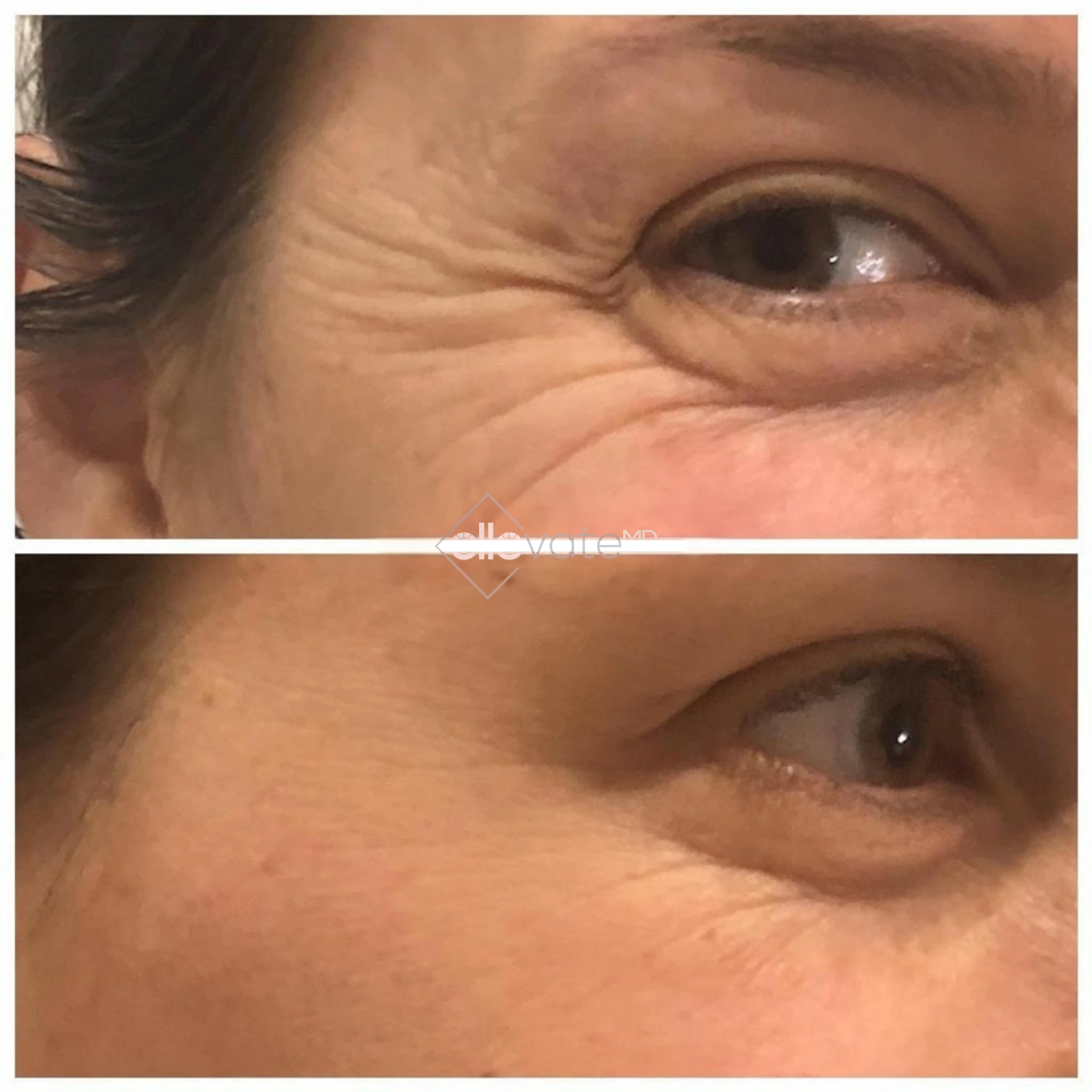
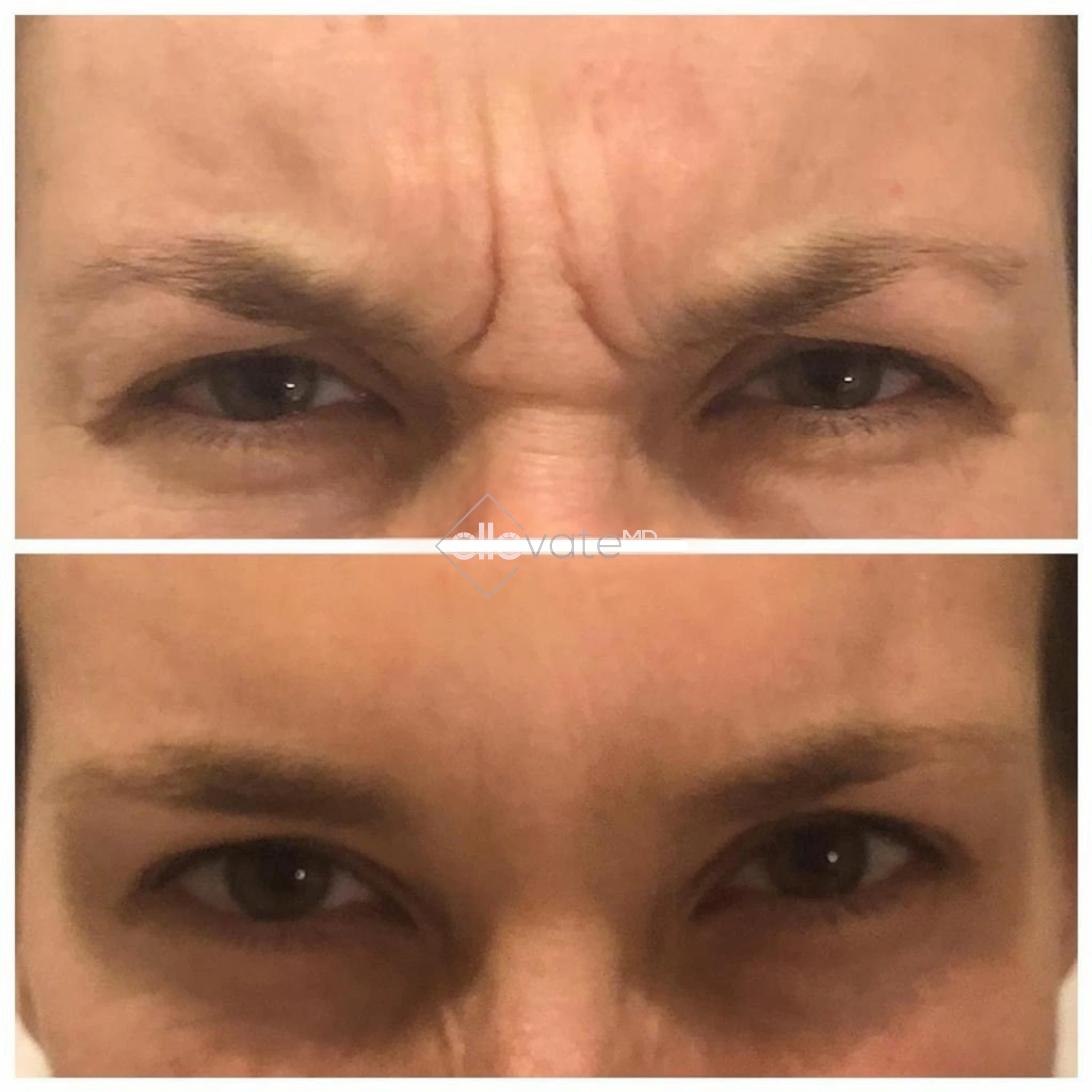
Before-and-After Photos: What to Look For
- Symmetry. Do both eyes match after surgery, especially in patients who started asymmetric? Are the creases even and contours smooth?
- Crease height. Is the upper eyelid crease natural for that person’s face, or unnaturally high?
- Natural expression. Does the patient look rested, or surprised? The goal is a better version of themselves.
- Scarring. For upper blepharoplasty, the incision should hide in the natural crease and be virtually invisible once healed.
- Similar starting point. Find a “before” that resembles your own eyes.
- Variety. Different ages, ethnicities, and starting concerns show a surgeon who adapts technique to the individual.
- Consistency. One great result can be luck. Twenty consistent results is a pattern.
Real Results, Real Trust
Patient feedback fills in what photos cannot. Reading patient testimonials tells you whether the surgeon was accessible, honest about what was achievable, and available afterward – qualities patients consistently describe in Dr. Ann Jayaram.What a Great Consultation Looks Like
A strong eyelid consultation is unhurried and measurement-driven. At ellevateMD, consultations run 30 to 45 minutes with Dr. Ann Jayaram herself. In-person visits at our Atherton office are recommended because accurate measurements matter, though virtual consultations are available through a HIPAA-compliant platform.
A great consultation should include:
Careful listening to your concerns and goals
A detailed examination of your eyes and facial structure
Discussion of surgical and non-surgical options, including Sofwave and laser treatments
A jargon-free explanation of the recommended procedure
Representative before-and-after photos of patients with similar concerns
Time to ask every question without feeling rushed
Questions Worth Asking at Your Consultation
Are you board certified, and in which specialty?
Did you complete a fellowship focused on eyelid surgery?
How many of these procedures have you performed?
Based on my anatomy and goals, am I a good candidate?
Is my heaviness from skin, muscle, fat, brow position, or ptosis?
What technique will you use, and why is it right for me?
Where will my surgery take place, and who performs the anesthesia?
What does recovery realistically look like, week by week?
What results can I realistically expect?
Who sees me for follow-up visits?
Common Questions and Concerns About Oculoplastic Surgery
“Will I still look like me?” That is the entire point of a specialist’s approach. Our Ellevate Lid Lift is designed as a subtle, natural lift rather than a dramatic change, and results typically last many years – often a decade or more.
“Will it be uncomfortable?” Upper eyelid surgery at ellevateMD is performed with local numbing while you are awake, in about 30 minutes, with minimal downtime. Patients receive written post-operative instructions, and blood thinners like ibuprofen and aspirin are stopped two weeks beforehand.
“Who will I see afterward?” At a single-surgeon practice, follow-up is with the same surgeon who operated – including the one-month visit, where any agreed-upon refinement is addressed.
Conclusion
When choosing an oculoplastic surgeon, focus on board certification, fellowship-level training in eyelid surgery, high procedure volume, and a consultation that is thorough and honest about what is achievable. Study photographs, read patient feedback, and ask direct questions about training and experience to ensure you are in expert hands.