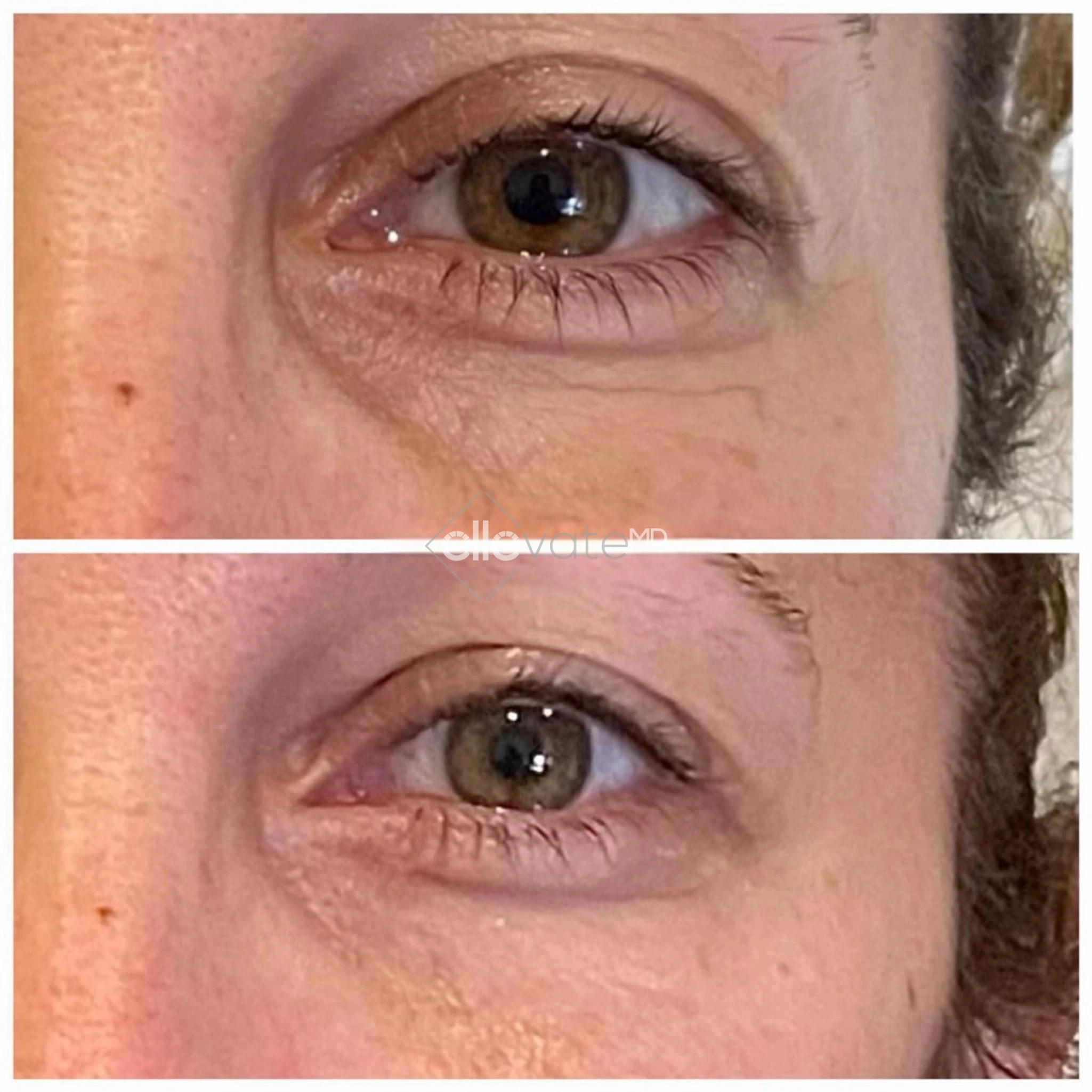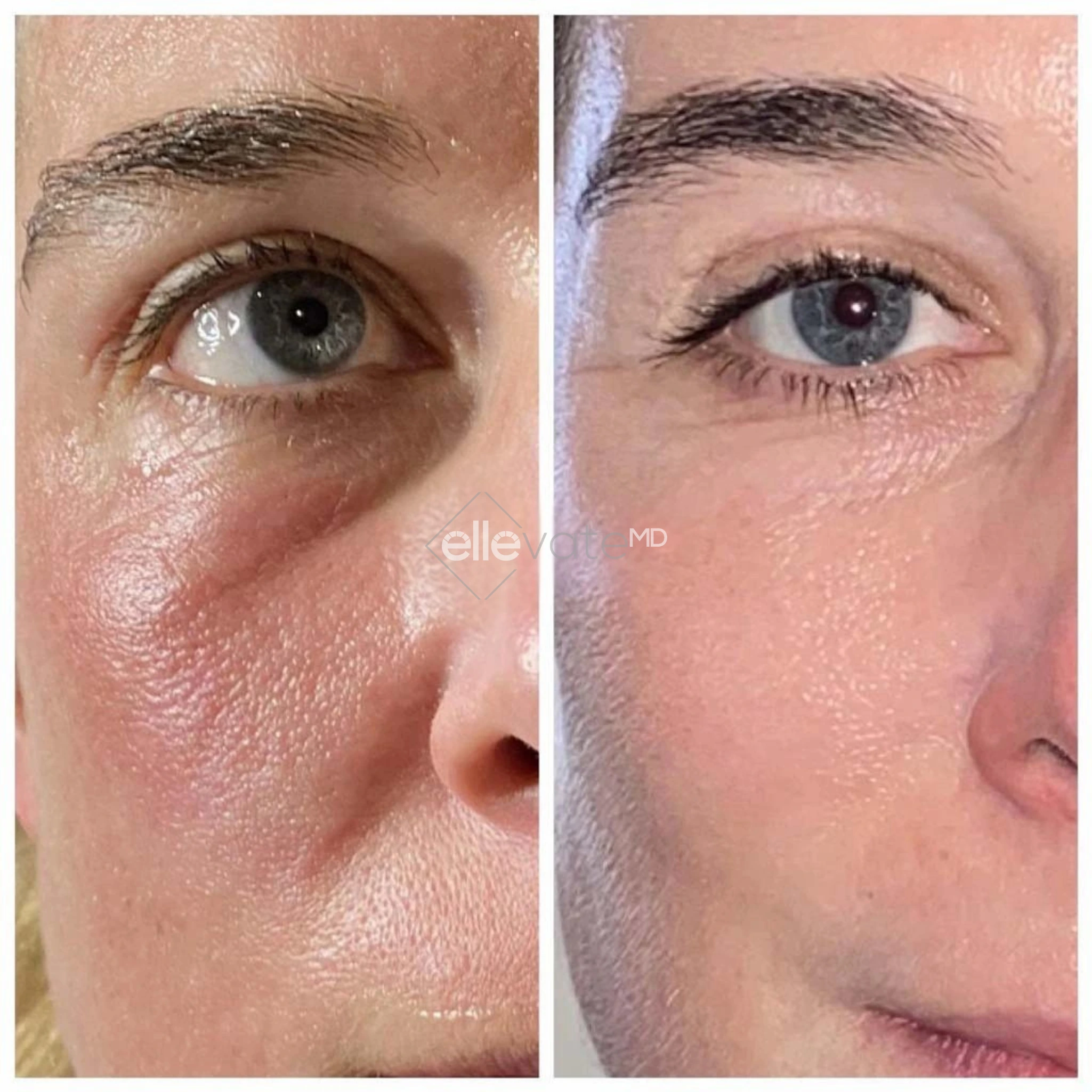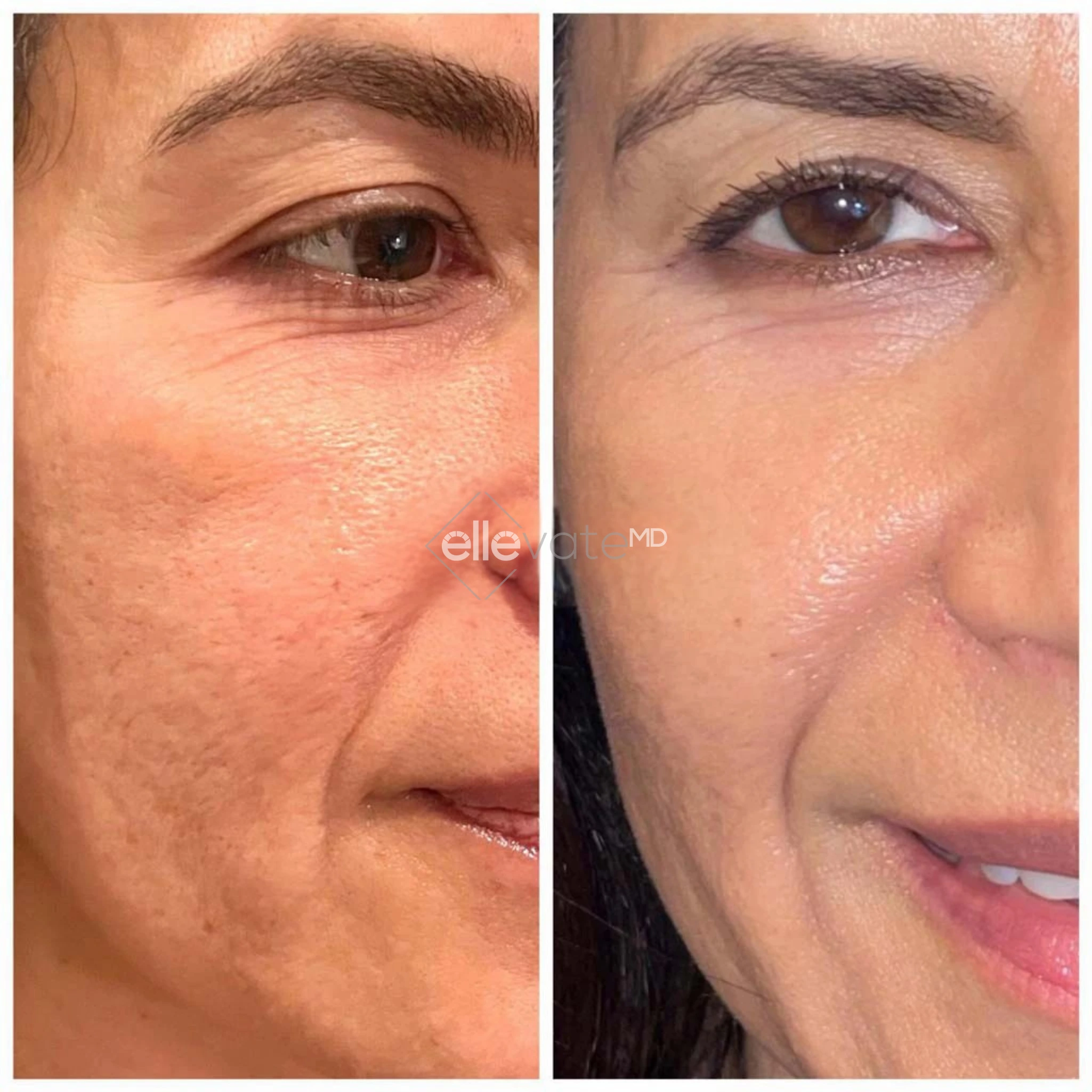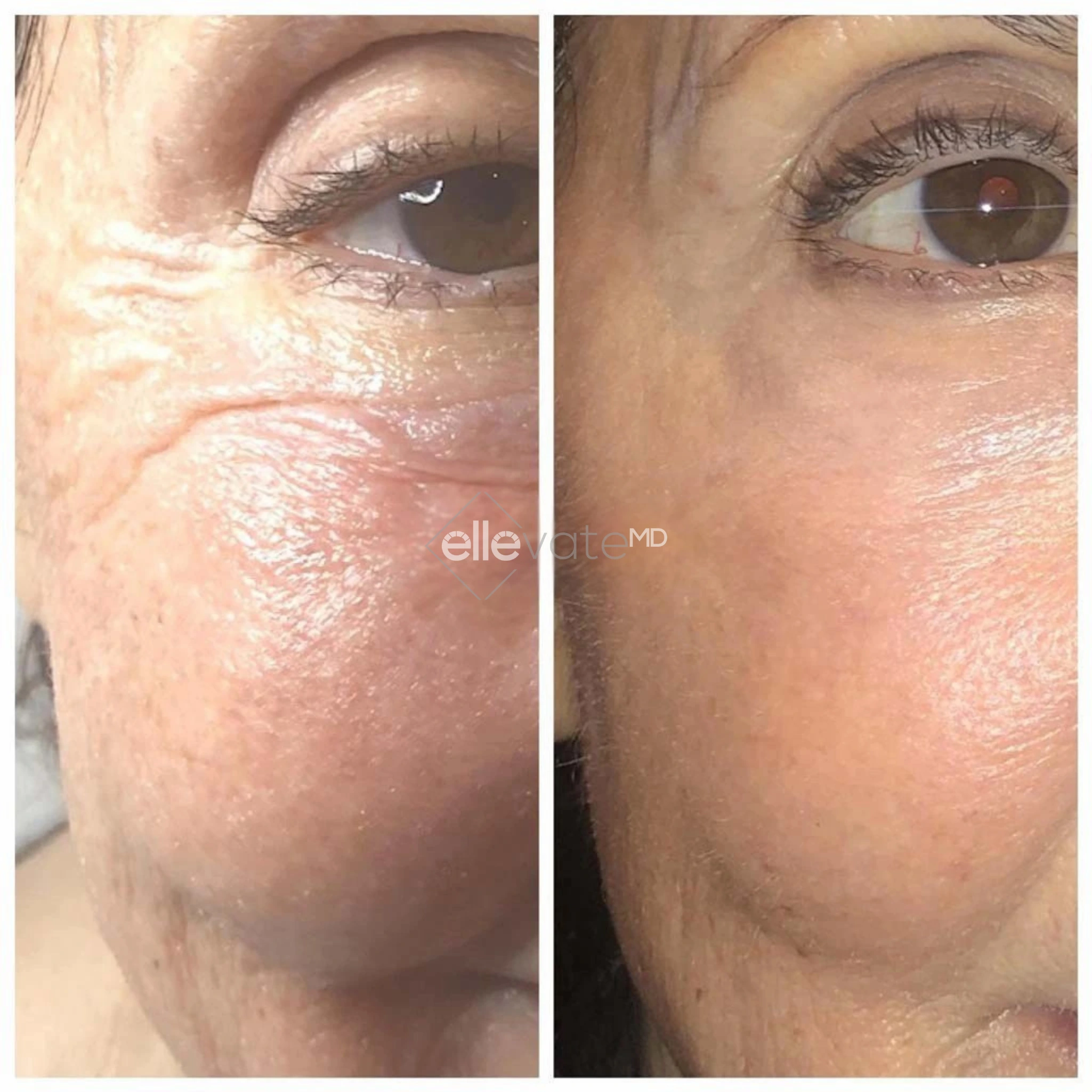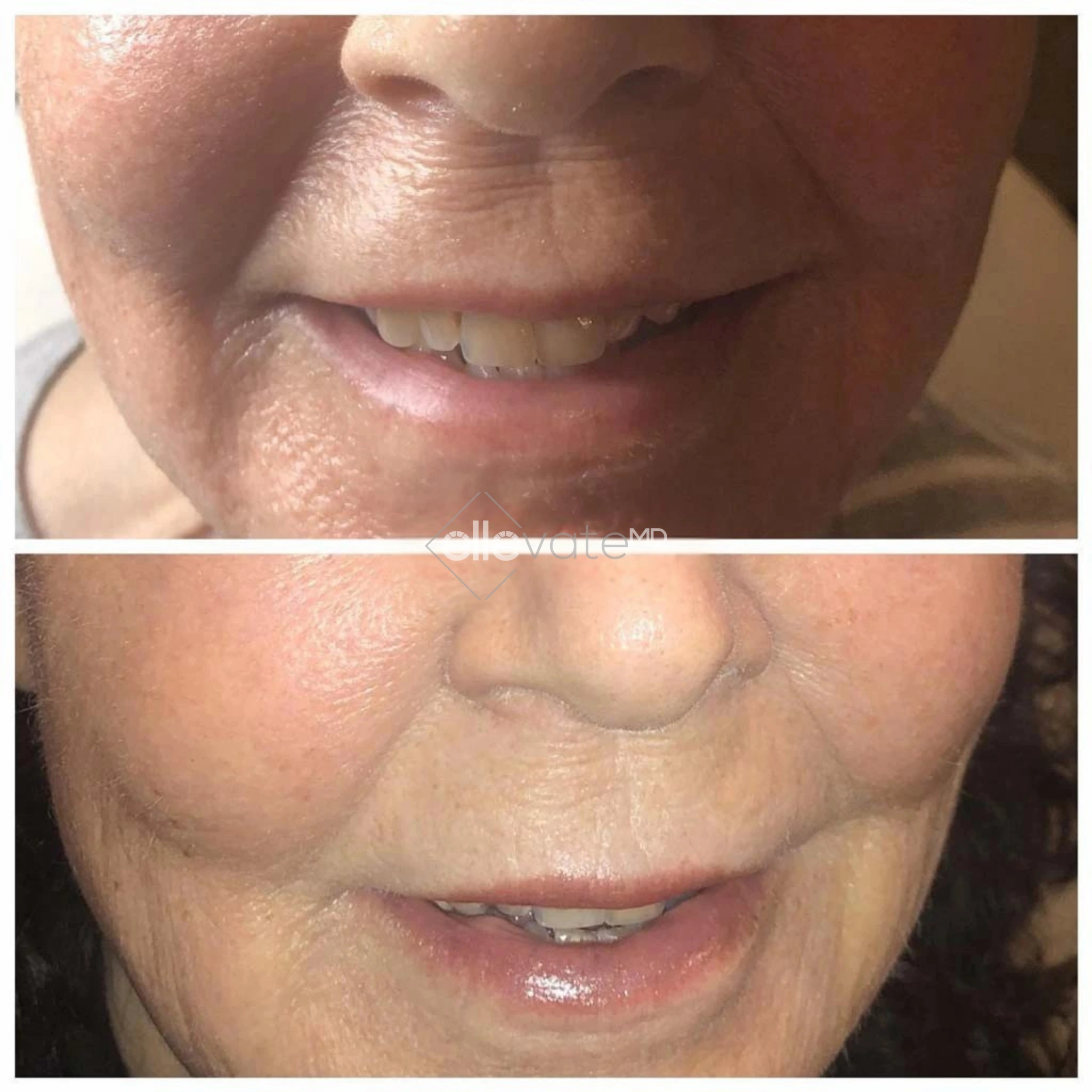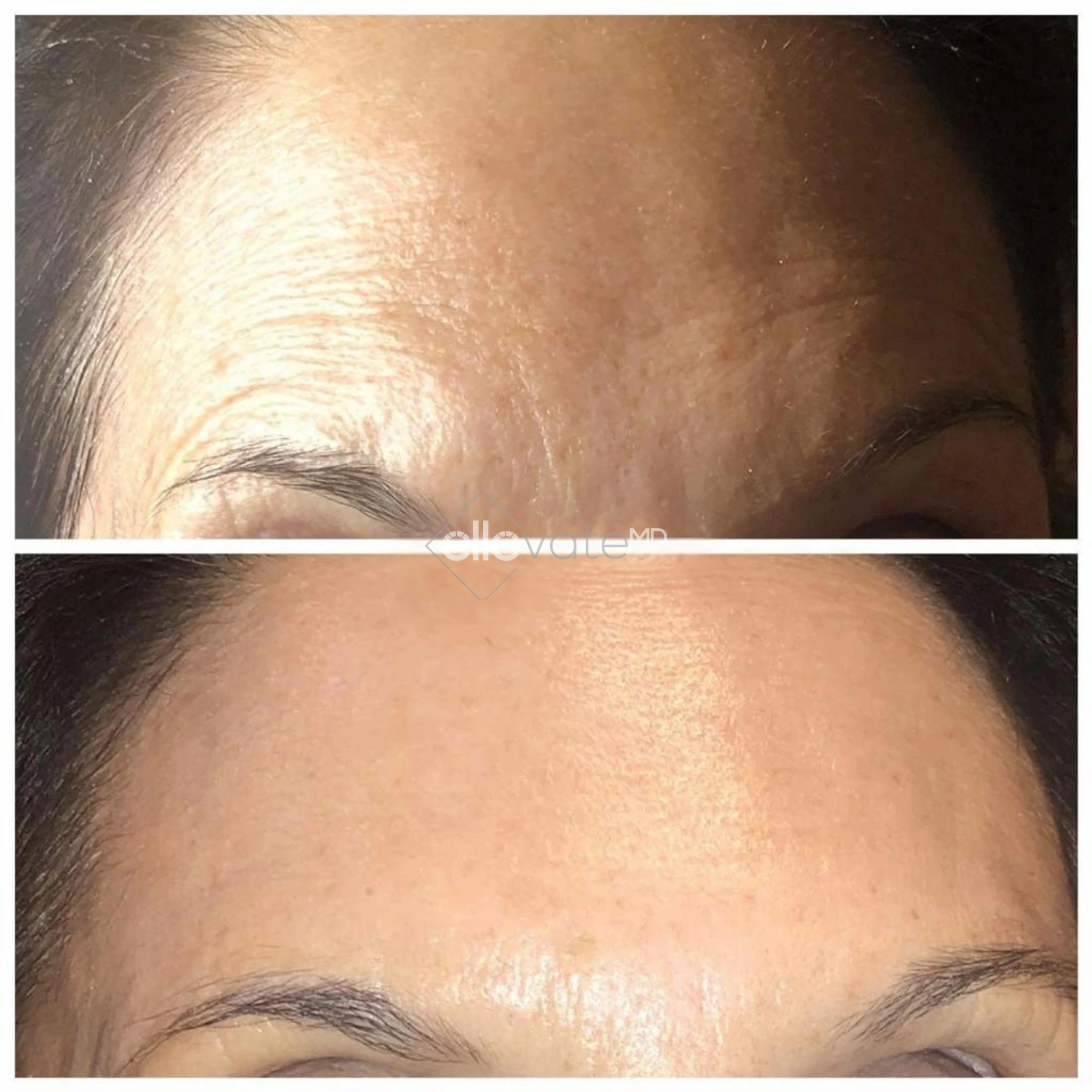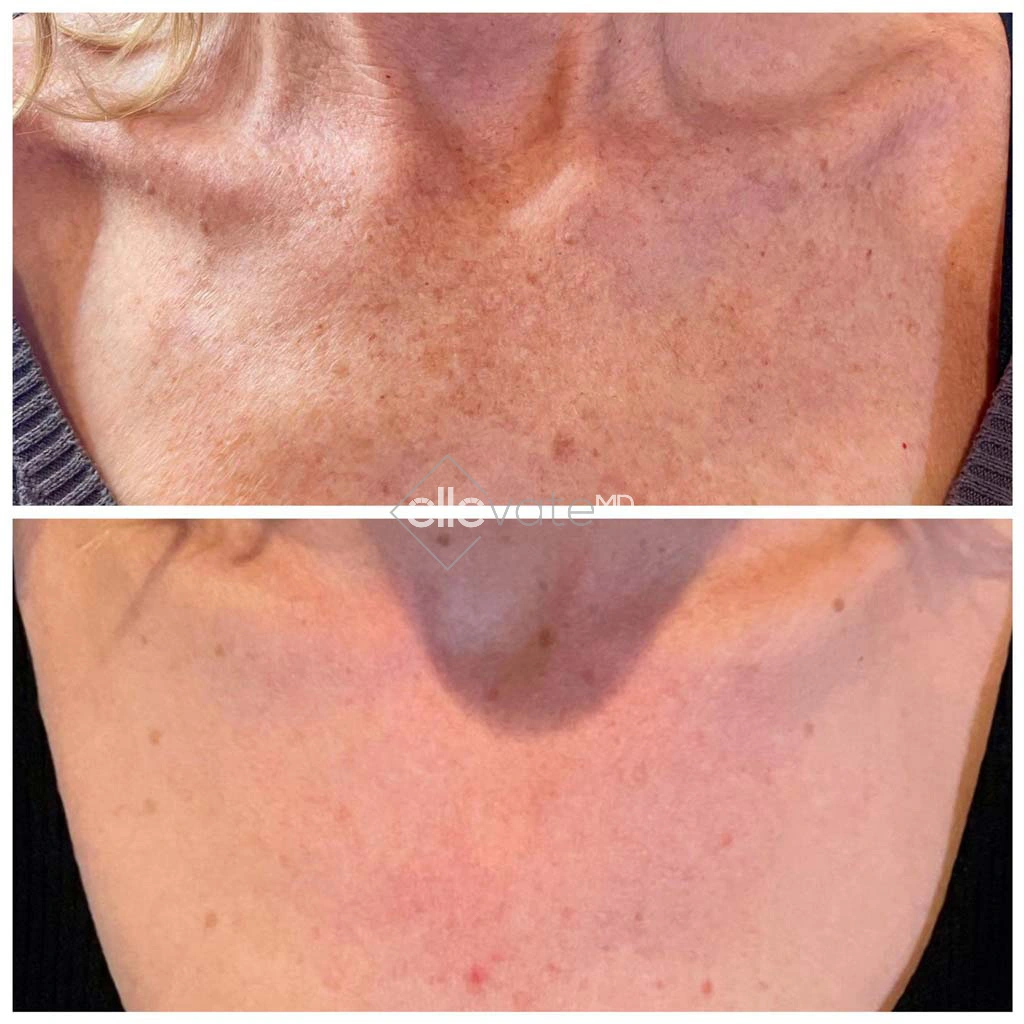
The only safe and effective way to dissolve under-eye filler is with a professionally administered injection of hyaluronidase, an enzyme that breaks down hyaluronic acid fillers within 2-7 days. While hyaluronic acid (HA) fillers do break down naturally over 6-18 months, this targeted enzyme treatment is the standard for correcting misplaced filler, lumps, or undesirable results. Attempting to dissolve filler at home with massage or heat is not only ineffective but can also be dangerous, especially in the delicate under-eye area.
Under-eye fillers, also known as tear trough fillers, are a popular non-surgical treatment for reducing the appearance of hollows, dark circles, and fine lines beneath the eyes. This treatment can create a smoother transition from the lower eyelid to the cheek, resulting in a more rested and youthful look.
Most under-eye fillers are made from hyaluronic acid (HA), a substance that occurs naturally in the body’s skin and connective tissues. When this smooth gel is skillfully injected into the tear trough area, it adds subtle volume, plumps the skin from within, and helps to reflect light more evenly.
The filler particles sit in the deep layers of skin, attracting water molecules to create a cushion that reduces the appearance of dark circles and hollowness. The success depends entirely on the injector’s skill – the skin here is the thinnest on the body, and the underlying anatomy is complex.
While dermal fillers are generally safe and effective, sometimes the results are not what a patient hoped for. Reasons for wanting to dissolve under-eye filler include:
Overfilling: Too much filler can create puffiness or a sausage-like bulge under the eye
Lumps or Bumps: The filler may gather into small nodules that are visible or can be felt under the skin
Migration: The filler may move from its original injection site, creating an unnatural look
Tyndall Effect: If HA filler is placed too superficially, it can cause a bluish discoloration as light reflects off the gel particles
Asymmetry: One side may look different from the other, creating an unbalanced appearance
Prolonged swelling or functional problems like vision obstruction
Personal Preference: A patient may simply decide they no longer like the look of the filler
Yes, hyaluronic acid-based fillers will eventually dissolve on their own. Your body has its own natural processes for breaking down and absorbing HA through continuous metabolic processes.
Your body produces its own enzyme, hyaluronidase, which constantly breaks down the natural hyaluronic acid in your skin as part of regular cellular turnover. When HA filler is injected, the same enzyme begins to slowly break down the synthetic gel.
Modern fillers are cross-linked – a process that makes them more durable and resistant to this enzyme, which is why they can last for many months or even years. The filler particles are gradually broken down into smaller components that can be absorbed and eliminated.
Under-eye fillers typically last longer than fillers in other facial areas due to minimal movement in the tear trough region. Most hyaluronic acid under-eye fillers naturally dissolve within:
Generally 6-18 months
Some formulations may persist for up to 24 months
The exact duration depends on the specific product used, the amount injected, and the individual’s metabolism
Several factors influence how quickly your body metabolizes filler:
Metabolism: Individuals with faster metabolisms may break down filler more quickly
Filler Type: Different brands and formulations have different levels of cross-linking
Amount Injected: A larger volume of filler will naturally take longer to dissolve
Exercise and increased blood flow: May slightly accelerate the process
Age, hydration levels, and genetics: All play a role in determining longevity
Lifestyle: High-intensity exercise and certain lifestyle factors may slightly increase metabolism
When faced with unsatisfactory filler results, many people search online for quick fixes. This has led to dangerous myths about dissolving fillers at home.
No, you cannot safely or effectively dissolve filler at home. The only proven method for targeted filler removal is a professional injection of hyaluronidase. At-home attempts do not work and can lead to skin damage, increased inflammation, or worsened filler appearance.
While you cannot target and dissolve filler with lifestyle changes, certain practices may support your body’s natural metabolism:
Staying well-hydrated helps natural processes function optimally
Regular cardiovascular exercise increases circulation
Maintaining a healthy diet rich in antioxidants supports cellular turnover
Getting adequate sleep allows natural repair and elimination processes
These habits support overall health but won’t dramatically speed up filler breakdown beyond your natural metabolic rate.
This is a persistent myth. Heat and hot water do not dissolve hyaluronic acid fillers. The filler is injected deep within the skin tissue, and external heat cannot penetrate deeply enough to break down the cross-linked gel.
Attempting this can cause skin burns, irritation, increased swelling, and may actually make the filler appear more prominent rather than reducing it.
Massage cannot dissolve or remove integrated under-eye filler. Once filler has settled (usually within two weeks), massage won’t break it down. Aggressive massage can cause:
Bruising and Swelling: The delicate blood vessels are easily damaged
Filler Displacement: May push filler to unintended areas
Skin Damage: Over-massaging can stretch and damage fragile eyelid skin
While gentle lymphatic drainage may help reduce fluid retention and puffiness around existing filler, it doesn’t dissolve the product itself.
If you’re unhappy with your under-eye filler, the safest step is scheduling a consultation with a medical professional. Our oculoplastic surgeon, Dr. Ann Jayaram, who specializes exclusively in eyelid anatomy and has performed over 7,000 procedures, can assess the situation and create a precise treatment plan.
When patients are hesitant about another injection, they often ask about alternatives. While the idea of a non-invasive solution is appealing, options are extremely limited and often ineffective for targeted correction.
Hyaluronidase is a concentrated, purified enzyme specifically designed to break down hyaluronic acid. When injected into an area with HA filler, it acts as molecular scissors, cutting the long hyaluronic acid chains into smaller fragments.
Results can often be seen within 24-48 hours. This prescription medication requires administration by a qualified professional who understands facial anatomy and can place it precisely to dissolve only problematic filler.
Some non-invasive treatments may help improve appearance without dissolving filler:
Radiofrequency treatments can help tighten skin
Fraxel laser or RF microneedling may improve overall skin texture
Energy-based treatments like Sofwave generate heat in deeper skin layers
These approaches work around the filler rather than removing it and cannot be used for the precise removal of specific lumps or overfilling.
For very minor issues, a provider might recommend waiting to see if the filler settles naturally. In rare cases, a tiny puncture can express superficial filler collections. However, for most common complaints, such as lumps, puffiness, or the Tyndall effect, hyaluronidase remains the only truly effective solution.
Seeking professional help is the only safe and reliable way to correct under-eye filler. Your provider’s expertise is the single most important factor in achieving a good outcome.
Consider professional dissolution when:
Experiencing persistent lumps, bumps, or puffiness beyond the initial two-week settling period
Noticing blue or gray discoloration (Tyndall effect)
The area looks asymmetrical or unnatural
Filler creates functional problems like vision obstruction
Experiencing persistent swelling lasting months
You simply don’t like the aesthetic result
Professional filler dissolution requires expertise in facial anatomy and injection techniques. At ellevateMD, Dr. Ann Jayaram brings specialized oculoplastic surgery training to complex under-eye corrections.
Her unparalleled understanding of the complex layers of skin, muscle, and fat around the eye ensures safe hyaluronidase injection. The process begins with an in-depth consultation to evaluate the area and determine the course of action.
Seek professional evaluation if you:
Notice sudden changes in your under-eye area
Experience persistent discomfort
Remain unhappy after initial swelling subsides (2-4 weeks)
See warning signs requiring immediate attention: severe pain, skin color changes, vision changes, or infection signs
Recovery from hyaluronidase treatment is typically quick and straightforward. After injection, you may experience mild swelling, redness, or bruising that usually subsides within a few days.
Your provider will give specific instructions. Generally recommended:
Avoid strenuous exercise for 24 hours
Avoid touching or rubbing the area
Apply cold compresses to reduce swelling
Keep your head elevated during sleep to reduce fluid accumulation
Protect from direct sun exposure
The filler begins dissolving within hours, with full results apparent in 3-7 days. The area may look slightly hollow initially as your natural anatomy is revealed. Your skin needs time to readjust, especially if you’ve had filler for extended periods.
If you’re unhappy with your under-eye filler results, professional treatment with hyaluronidase administered by a professional specializing in delicate eye anatomy is the only safe and effective solution. At-home methods are ineffective and risky. Consulting our qualified provider for a personalized plan.