Table of contents
1.
2.
5.
6.
7.
8.
Botox has become one of the most popular cosmetic procedures worldwide, but many people wonder whether it’s truly safe. While Botox is generally considered safe when administered by qualified healthcare professionals, it does carry some risks that vary depending on individual health factors and proper usage. The key to safety lies in understanding both the benefits and potential complications, choosing an experienced provider, and being honest about your medical history.
This cosmetic treatment has been approved by regulatory agencies for decades and has an established safety profile, though it’s not without considerations that every potential patient should understand before proceeding.
To understand Botox safety, we first need to know what we’re dealing with. Botulinum toxin type A is a neurotoxin protein produced by the bacterium Clostridium botulinum. When purified and used in tiny, controlled doses for medical and cosmetic purposes, it becomes a valuable therapeutic tool.
The commercial product Botox is just one brand name for botulinum toxin type A, though it’s become so ubiquitous that people often use the term generically. Other brands include Dysport, Xeomin, and Jeuveau. These products work by temporarily blocking nerve signals to muscles, causing them to relax. This mechanism makes botulinum toxin type A effective for smoothing wrinkles and treating various medical conditions.
The substance has been studied extensively since the U.S. Food and Drug Administration (FDA) first approved it for cosmetic use in 2002. However, it was approved for specific medical conditions as early as 1989. This long history of use and research has given healthcare providers and regulators substantial data about its safety profile.
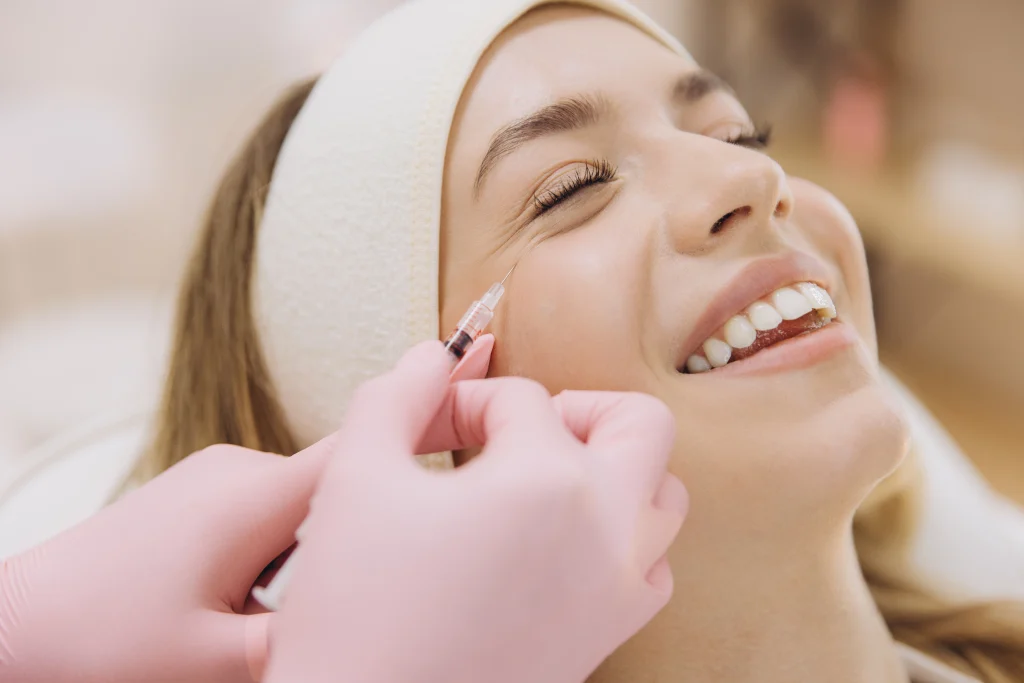
Understanding how Botox works helps explain both its benefits and risks. When injected into specific muscles, the botulinum toxin blocks the release of acetylcholine, a neurotransmitter that signals muscles to contract. Without this signal, the targeted muscles temporarily relax.
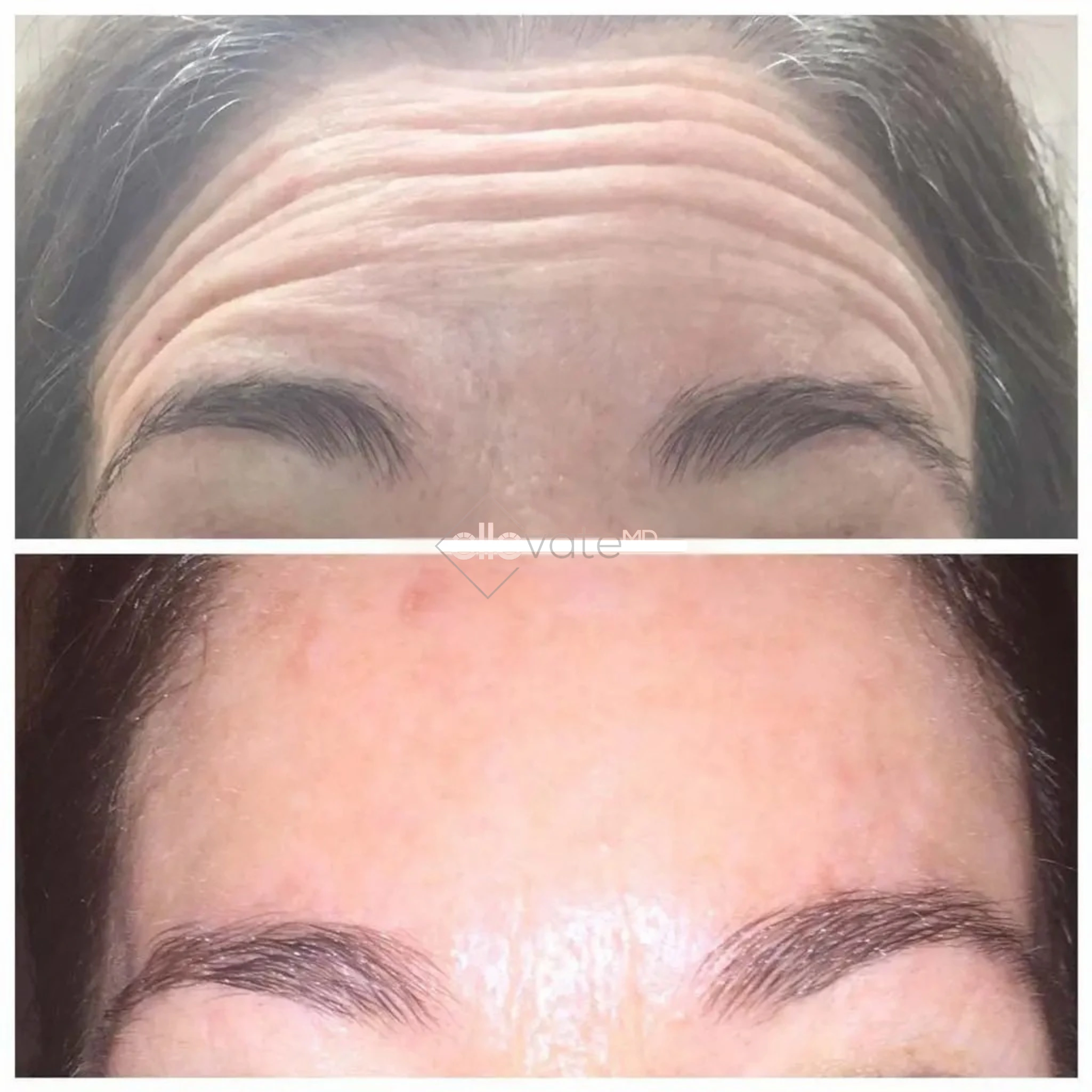
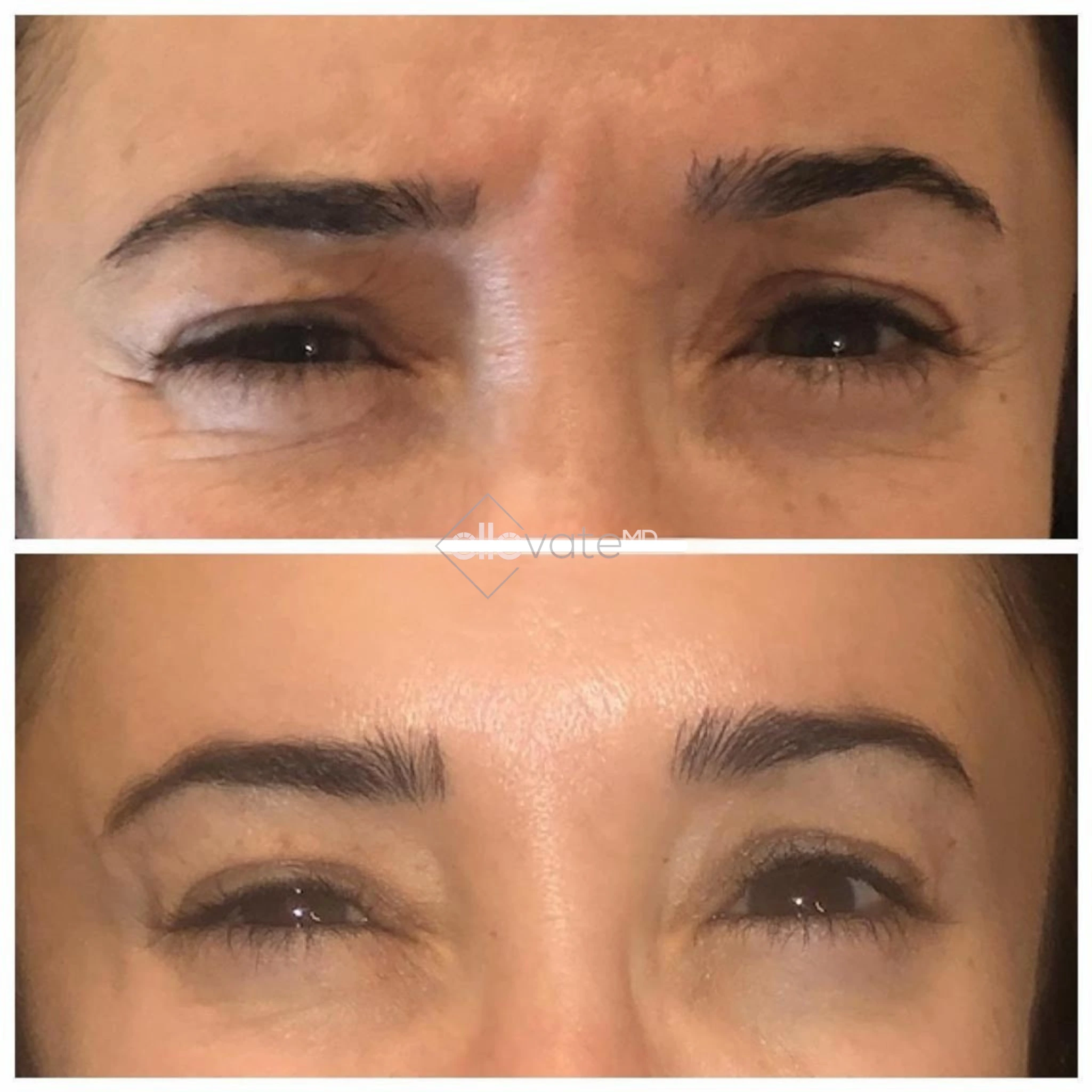
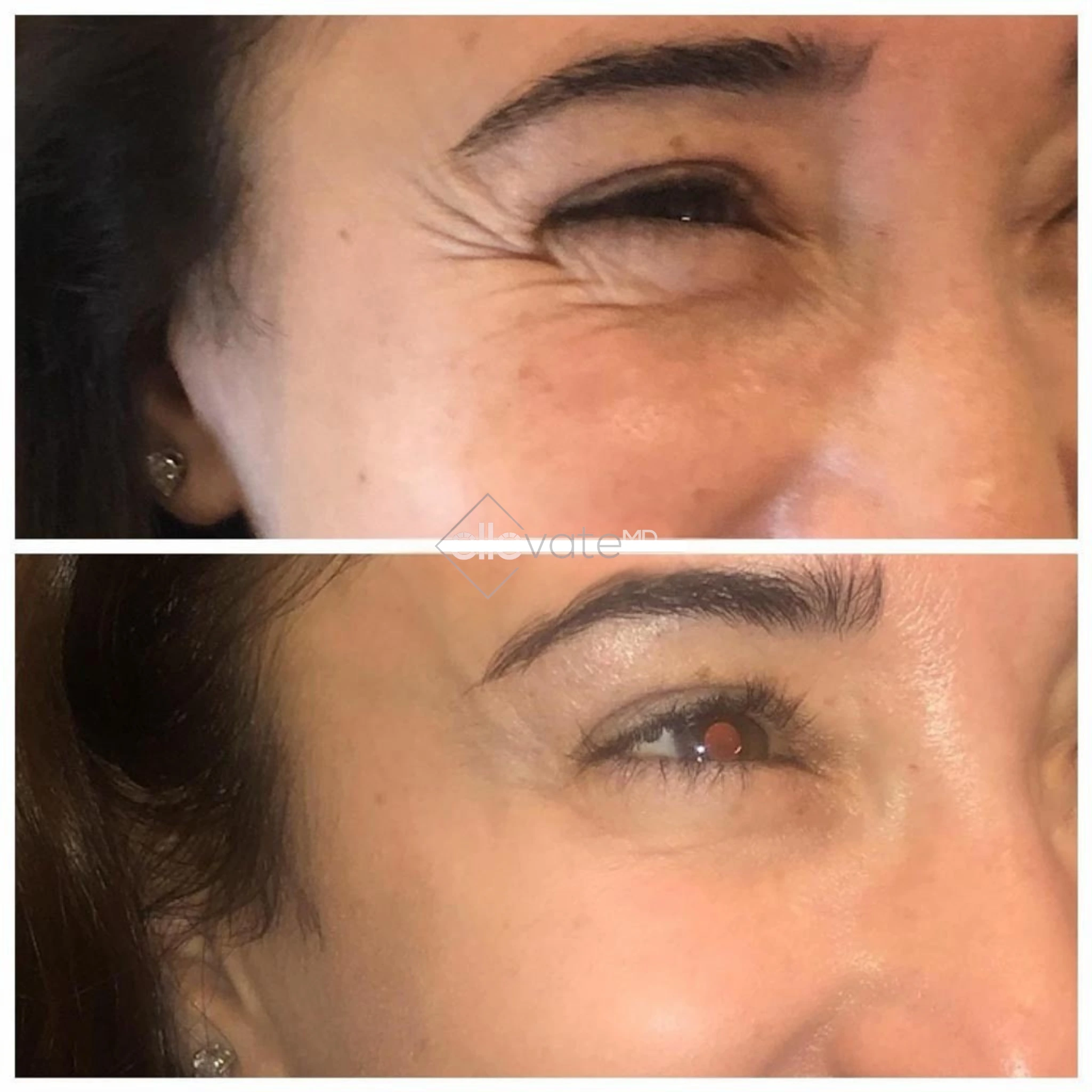
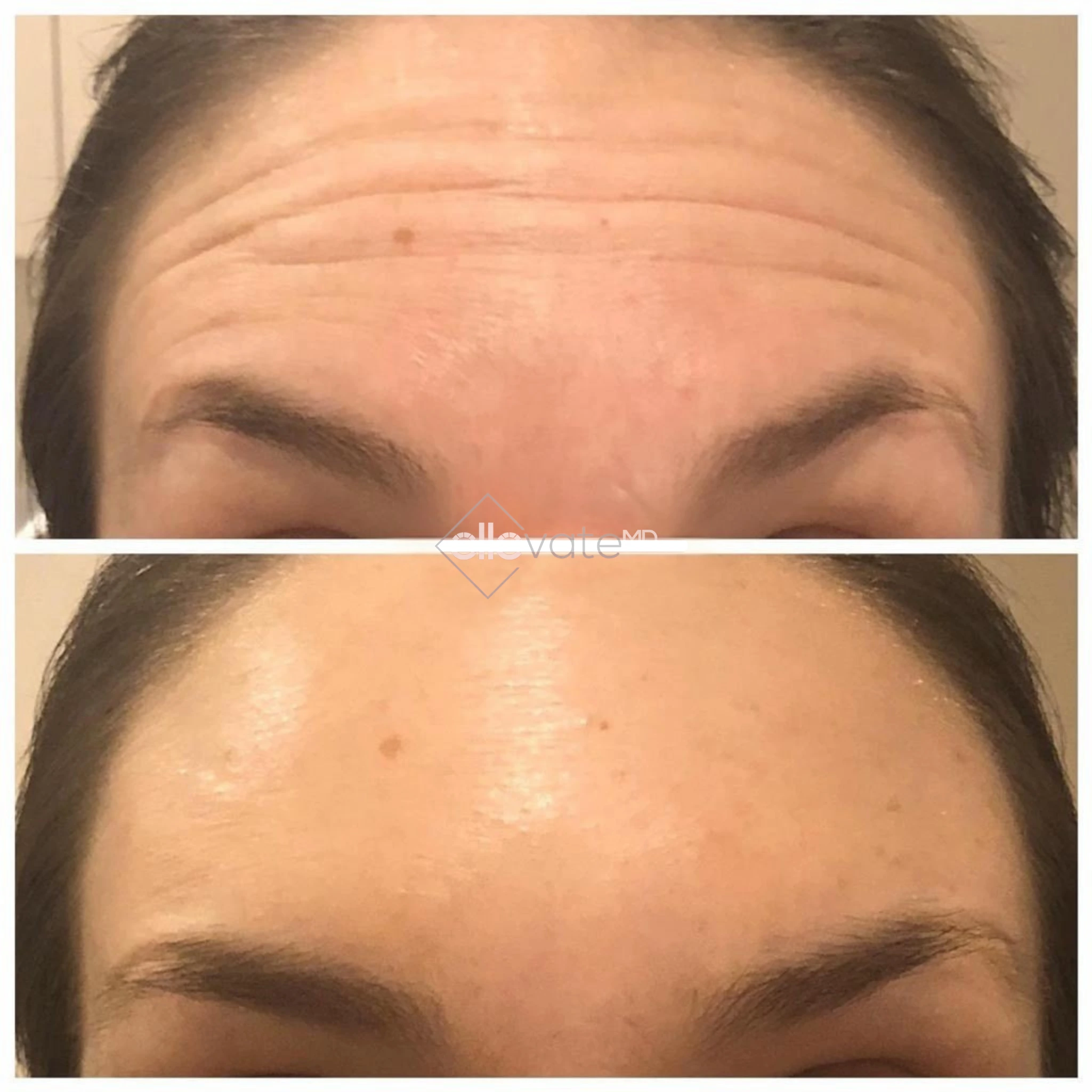
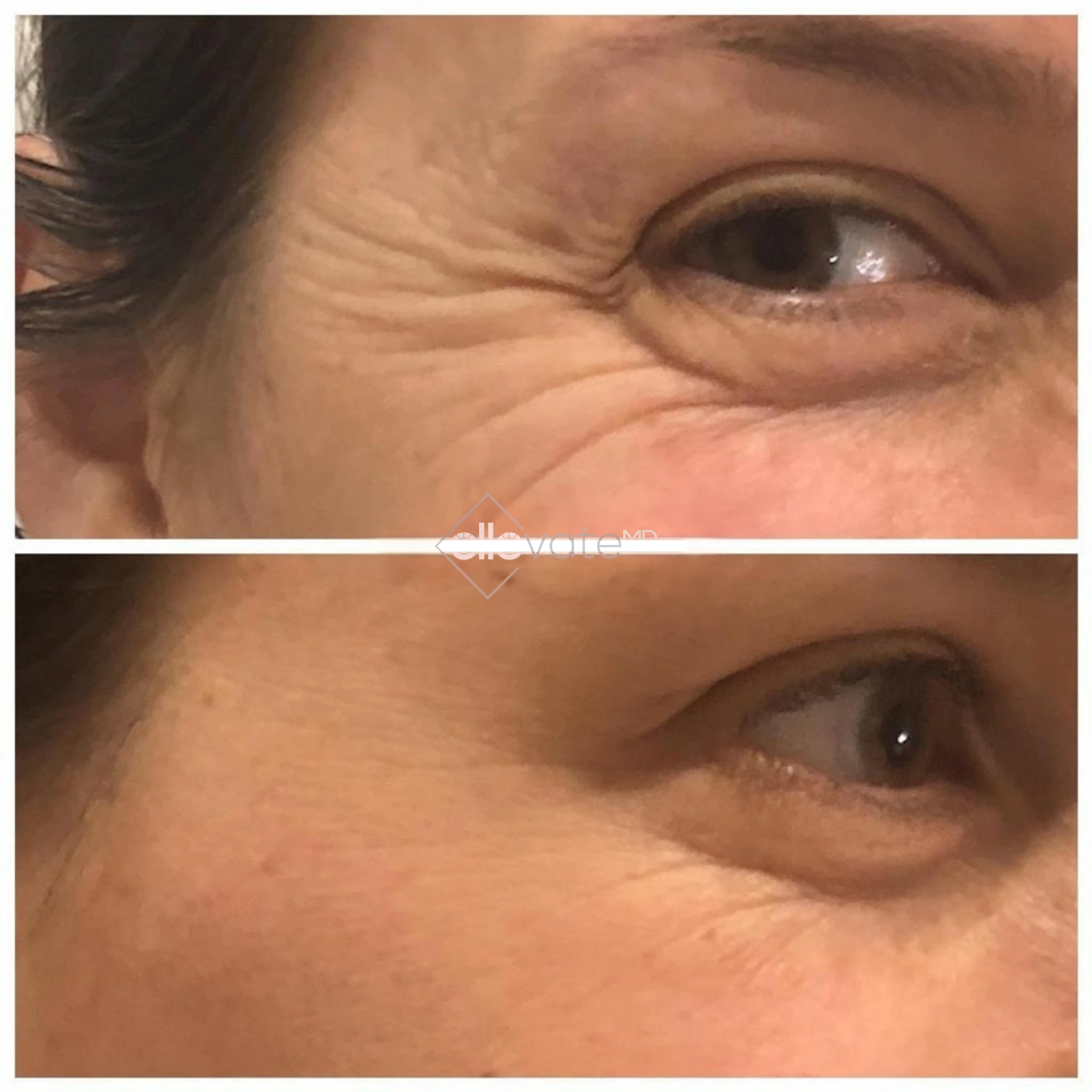
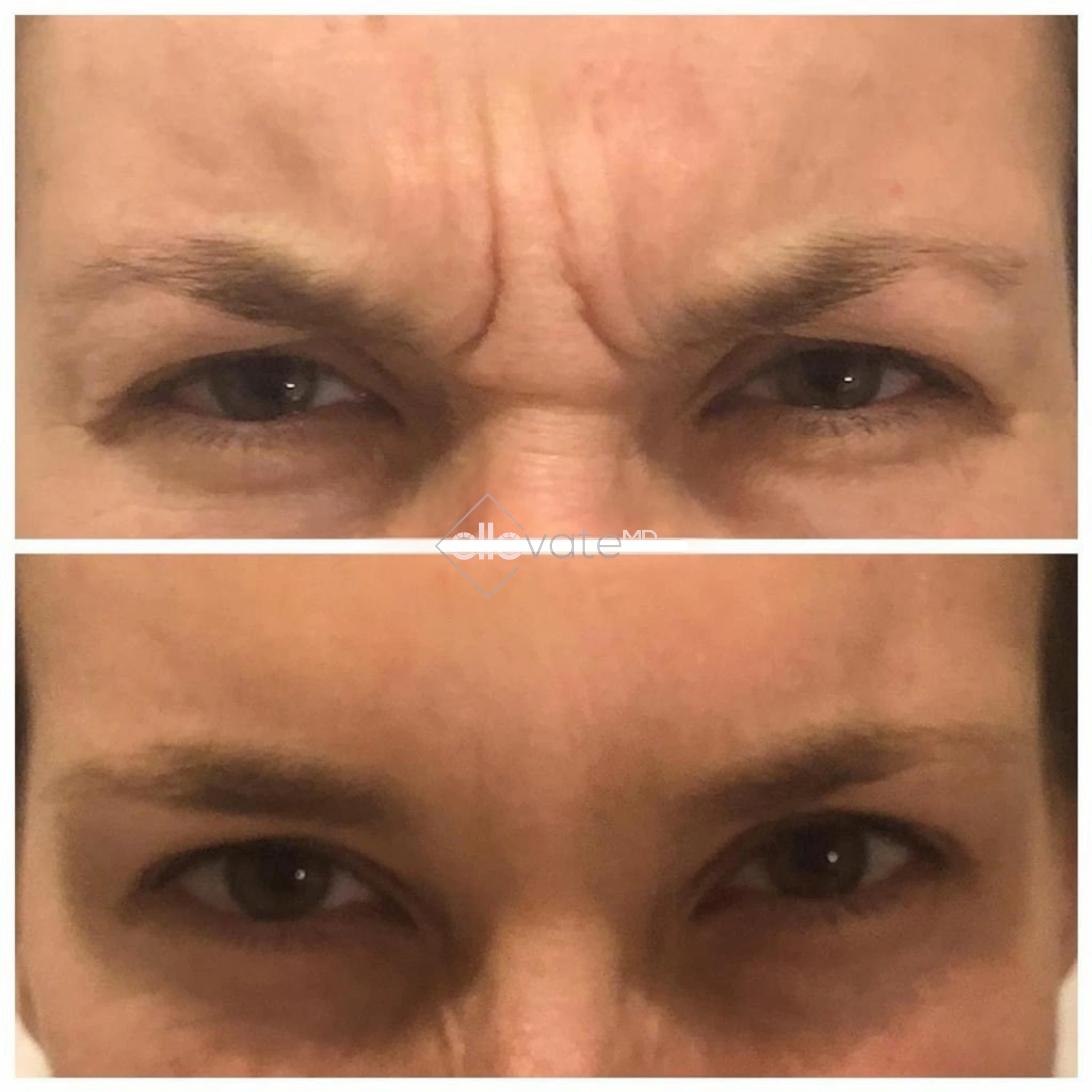
For cosmetic purposes, this relaxation smooths dynamic wrinkles caused by repeated facial expressions, such as frown lines, crow’s feet, and forehead creases. The effects typically begin within a few days and reach full effect within two weeks, lasting approximately three to four months before the body metabolizes the toxin and muscle activity gradually returns.
The localized nature of the treatment means that when properly administered, the toxin stays in the injection site and doesn’t spread throughout the body. This containment is crucial to the procedure’s safety. The doses used are minuscule compared to the amount that would cause systemic botulism, typically measured in units. Cosmetic treatments use between 20 and 60 units, depending on the treatment area.
Like any medical procedure, Botox injections come with potential side effects. The most common are mild and temporary, resolving within a few days to weeks. These typical side effects include:
Mild pain, swelling, or bruising at the injection site
Headaches
Temporary eyelid drooping (ptosis) if the toxin affects nearby muscles
Some people experience flu-like symptoms, fatigue, or dry eyes following treatment. Asymmetry in facial expressions can occur if the toxin isn’t distributed evenly or if one side of the face metabolizes it differently. Temporary numbness or a feeling of tightness in the treated area is also relatively common.
These side effects are usually mild and resolve on their own. However, they can be distressing, especially if they affect your appearance or comfort. Choosing an experienced injector who understands facial anatomy significantly reduces the likelihood of these complications. The injection technique, dose, and precise placement all influence whether these side effects occur.
While rare, serious adverse effects can occur with Botox use. The most concerning potential complication is the spread of the toxin beyond the injection site, which can cause symptoms similar to botulism. This can include muscle weakness throughout the body, vision problems, difficulty swallowing or breathing, loss of bladder control, and generalized weakness.
These serious complications are extremely rare when Botox is used appropriately for cosmetic purposes. They’re more likely to occur when higher doses are used for medical conditions or when the product is counterfeit or improperly prepared. The FDA has issued warnings about these potential effects, though they emphasize that they’re uncommon with approved uses.
Allergic reactions, while also rare, represent another category of severe adverse effects. Symptoms might include itching, rash, difficulty breathing, dizziness, or swelling of the face and throat. Anyone experiencing these symptoms after Botox injections should seek immediate medical attention.
Certain medical conditions make Botox injections inadvisable or require special precautions.
People with neuromuscular disorders, such as myasthenia gravis, Lambert-Eaton syndrome, or amyotrophic lateral sclerosis (ALS), should avoid Botox, as it can exacerbate muscle weakness.
Pregnant or breastfeeding women should not receive Botox treatments, as the effects on fetal development and infants haven’t been adequately studied. Women planning to become pregnant should discuss timing with their healthcare provider.
If you have an infection at the planned injection site, treatment should be postponed. Active skin conditions in the treatment area may also warrant a delay. People with allergies to any ingredients in Botox formulations should avoid the treatment entirely.
Those taking certain medications need to exercise caution. Antibiotics, muscle relaxants, blood thinners, and drugs that interfere with neuromuscular transmission can interact with Botox. Always provide your healthcare provider with a complete medication list before proceeding.
People with breathing problems, swallowing difficulties, or bleeding disorders should discuss their conditions thoroughly with their provider before receiving treatment. These conditions don’t necessarily preclude Botox use, but they require careful evaluation and monitoring.
While Botox is famous for cosmetic applications, its medical uses demonstrate its safety and efficacy in treating various conditions. The FDA has approved Botox for chronic migraines, excessive sweating (hyperhidrosis), overactive bladder, cervical dystonia (severe neck spasms), blepharospasm (eyelid spasms), and strabismus (crossed eyes).
For migraine sufferers, Botox treatments can significantly reduce the frequency and severity of headaches. People with hyperhidrosis often experience life-changing relief from embarrassing and uncomfortable sweating. These therapeutic applications often use higher doses than cosmetic treatments, yet they maintain acceptable safety profiles when administered properly.
The psychological benefits of cosmetic Botox shouldn’t be dismissed either. Many people report improved self-confidence and reduced anxiety about their appearance after treatment. While these benefits are subjective, they contribute to overall well-being for many individuals.
Botox safety ultimately depends on several controllable factors. Choosing a qualified, experienced provider is paramount. Look for board-certified dermatologists, plastic surgeons, or other physicians specifically trained in cosmetic injectables. Verify their credentials and ask about their experience with Botox specifically.
Be completely honest about your medical history, medications, and previous reactions to any treatments. This information helps your provider assess your individual risk profile. Don’t seek bargain treatments, as lower prices may indicate counterfeit products, inadequate training, or unsafe practices.
Finally, have realistic expectations and understand that there is some risk with any medical procedure. For most people in good health who choose qualified providers, Botox remains a safe option for both cosmetic and therapeutic purposes. The decades of use, extensive research, and regulatory oversight support its safety profile when used appropriately. By understanding the risks, recognizing your own health factors, and making informed choices about providers, you can maximize the benefits while minimizing potential complications.
So, is Botox safe? The evidence suggests that for most people, botulinum toxin injections are safe when administered correctly by qualified professionals. While it may seem counterintuitive that the same toxin responsible for food poisoning can safely smooth facial wrinkles and relax facial muscles, the key lies in dosage, purification, and precise administration. The pharmaceutical formulations used for cosmetic indications and medical treatments contain minuscule, controlled amounts that work locally in the injected muscles. The Centers for Disease Control and Prevention have monitored these treatments for decades, and while adverse events are reported, serious complications remain rare in both therapeutic and cosmetic cases. The millions of people who have received Botox injections worldwide contribute to a robust safety database that continues to support its use.
The decision to pursue botulinum toxin injections should be based on a thorough understanding of your individual health profile, realistic expectations, and careful selection of a provider. Whether you’re considering treatment for facial wrinkles or for medical conditions like migraines or excessive sweating, discussing your complete medical history with a qualified healthcare provider is essential.
Many people safely undergo repeated injections over many years without significant complications, finding that the benefits for therapeutic and cosmetic use outweigh the minimal risks involved. By staying informed, choosing experienced practitioners, and maintaining open communication with your healthcare team, you can make confident decisions about whether Botox is the right choice for your health and aesthetic goals.