Can You Get Botox While Pregnant? Important Considerations to Know
Table of contents
1.
Understanding Eyelid Surgery
2.
5.
6.
7.
When people talk about rejuvenating tired-looking eyes, terms like “lid lift” and “blepharoplasty” often come up interchangeably, leading to considerable confusion. Here’s what you need to know: lid lift and blepharoplasty are actually the same procedure – blepharoplasty is simply the medical term for eyelid surgery, while “lid lift” is the common, everyday name patients use. The real comparison you should be making is between blepharoplasty (eyelid surgery) and brow lift surgery, which are two distinct procedures that address different concerns around the eyes and forehead area.
Understanding which procedure you need depends entirely on what’s causing your aesthetic concerns. Are your upper eyelids drooping due to excess skin on the lids themselves, or is a sagging brow pushing down on your entire eye area? Is puffiness under your eyes making you look perpetually exhausted? These questions point you toward the right solution for your unique situation.
Blepharoplasty is a precise surgical procedure that focuses exclusively on the eyelids themselves – both upper and lower. During upper eyelid surgery, a surgeon removes excess skin, muscle, and sometimes fat from the upper lids that create hooding or drooping. For lower eyelid surgery, the procedure addresses under-eye bags, puffiness, and loose skin beneath the eyes.
The procedure typically takes one to three hours depending on whether you’re treating upper lids, lower lids, or both. Most patients undergo blepharoplasty under local anesthesia with sedation, though general anesthesia is an option. Recovery involves swelling and bruising for about 10-14 days, with most people returning to normal activities within two weeks.
What makes blepharoplasty particularly effective is its targeted approach. If your problem truly stems from the eyelids – excess skin creating a hooded appearance, fat deposits causing bags, or wrinkled skin around the eyes – then this is the procedure that will deliver results.
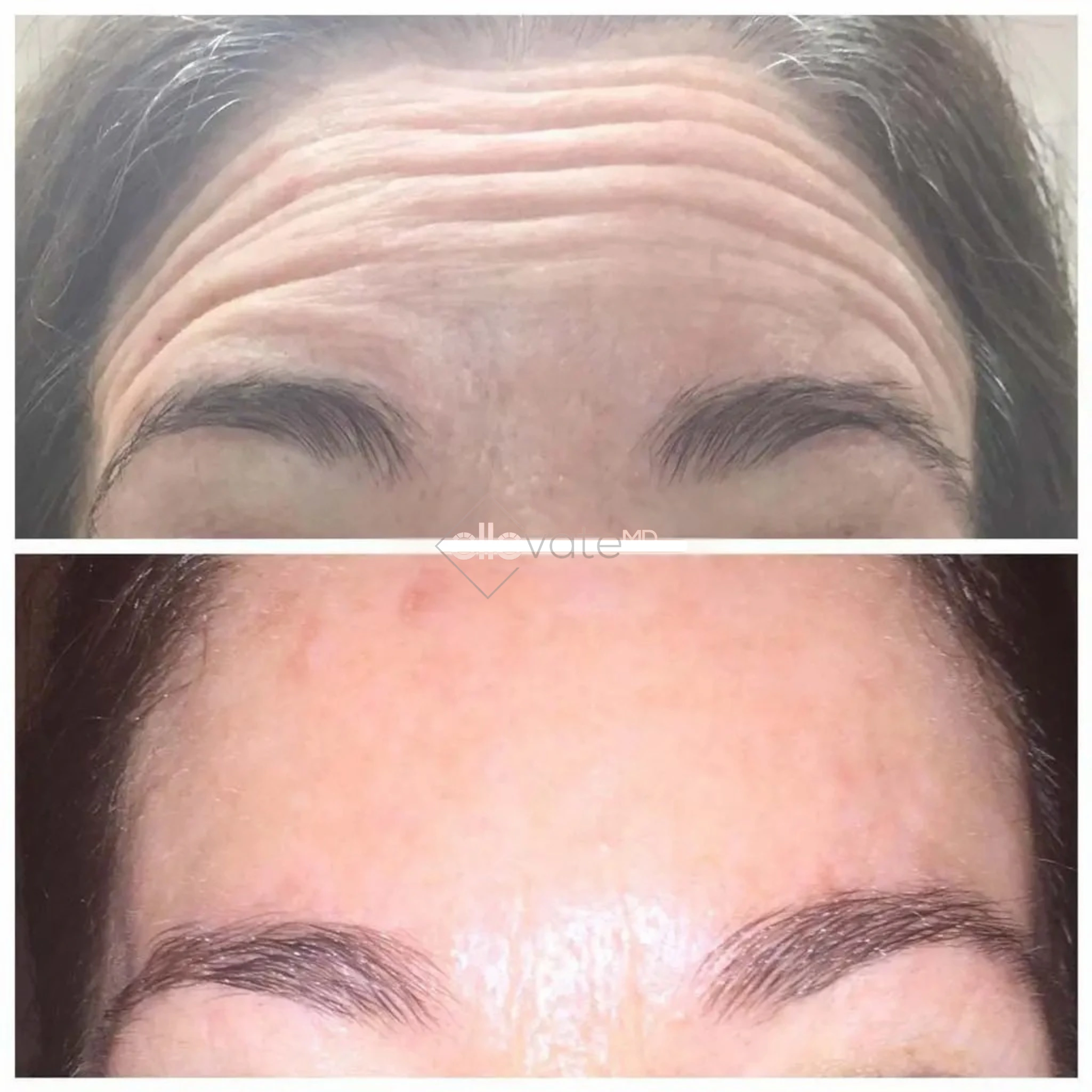
A brow lift, also called a forehead lift, addresses sagging in the brow and forehead region. This procedure elevates the eyebrows to a more youthful position and smooths forehead wrinkles and frown lines. Many people don’t realize that what appears to be an eyelid problem is actually caused by a descended brow pushing down on the upper eyelid area.
During a brow lift, incisions are typically made along the hairline or within the hair-bearing scalp. The surgeon then lifts and repositions the forehead tissues, removing or altering muscles that cause wrinkles, and secures everything in a higher position. The result is a more alert, refreshed appearance with elevated brows and a smoother forehead.
Recovery from a brow lift generally takes two to three weeks, slightly longer than blepharoplasty. Swelling and bruising concentrate around the forehead and upper face, and patients often experience temporary numbness in the scalp.
Understanding the distinction between these procedures is crucial for achieving your desired outcome. Here are the fundamental differences:
Target Area:
Incision Locations:
Problems Addressed:
Recovery Timeline:
The challenge many people face is figuring out which procedure will solve their specific concerns. Sometimes, what appears to be an eyelid problem is actually a brow issue, and vice versa. Here’s how to begin identifying your needs.
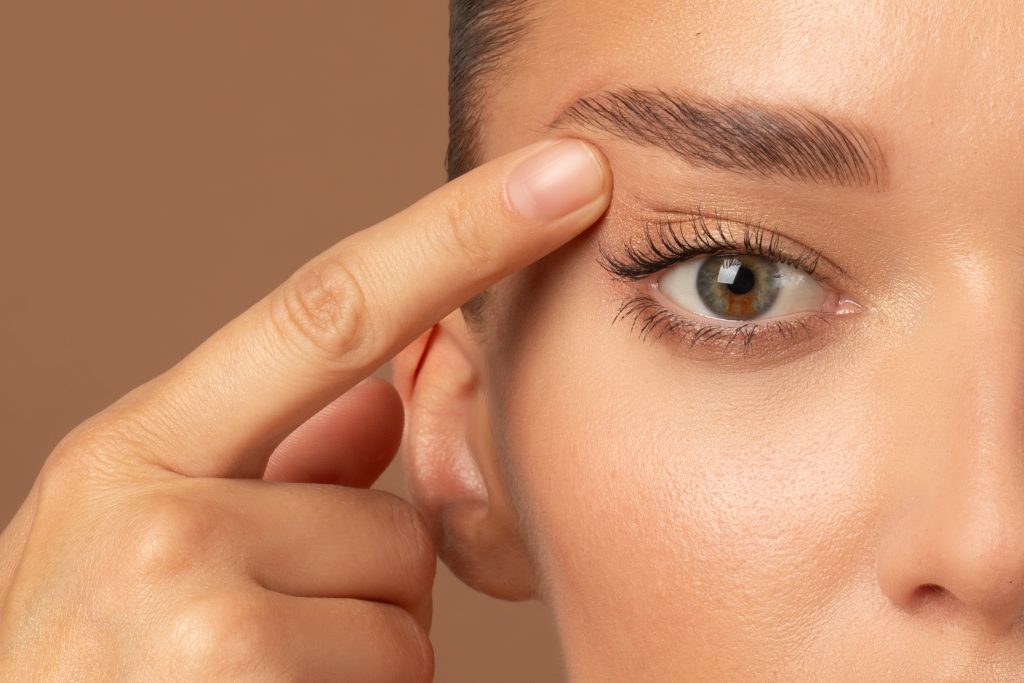
Look in the mirror and gently lift your eyebrows with your fingers. If lifting your brows significantly improves the hooded appearance of your upper eyelids, you likely need a brow lift rather than, or possibly in addition to, blepharoplasty. If the excess skin and hooding remain even when your brows are lifted, blepharoplasty is probably your solution.
Consider your other concerns as well. Deep horizontal forehead lines, frown lines between the eyebrows, or brows that have descended to a flat or low position all indicate that a brow lift would be beneficial. Meanwhile, under-eye bags, puffiness, dark circles accentuated by protruding fat, or significant wrinkling of the lower eyelid skin point toward lower blepharoplasty.
Both procedures can dramatically enhance your facial appearance, but in different ways.
Blepharoplasty creates a more rested, alert look by eliminating the tired appearance that heavy, hooded lids or puffy under-eye bags create. Your eyes appear larger and more open, and makeup application becomes easier when you’re no longer working around excess eyelid skin.
A brow lift, on the other hand, creates a more youthful, approachable expression by repositioning sagging brows. This procedure can reverse the angry or sad look that descended brows sometimes create, replacing it with a refreshed, positive appearance. The smoothing of forehead lines contributes to an overall younger look that many patients find transforms their entire face.
In some cases, patients benefit from combining both procedures. When both the brows and eyelids have aged significantly, addressing only one area may leave the other looking disproportionate. A skilled surgeon can perform both procedures simultaneously, creating harmonious rejuvenation of the entire upper face.
Eye rejuvenation represents one of the most transformative categories of cosmetic surgery. The eyes are often the first facial feature people notice, and signs of aging around the eyes can make you appear older or more tired than you feel.
Modern blepharoplasty surgery has evolved to create natural-looking results that preserve your unique features while addressing aging concerns. Surgeons now focus on conservative tissue removal, understanding that over-correction can create a hollow, operated appearance. The goal is rejuvenation, not transformation into someone unrecognizable.
Similarly, brow lift techniques have advanced significantly. Endoscopic approaches using small incisions and cameras allow for precise lifting with minimal scarring and faster recovery compared to older, more invasive techniques. These advancements mean that cosmetic surgery around the eyes carries less risk and downtime than ever before.
The confusion surrounding lid lift vs blepharoplasty disappears once you understand they’re the same procedure, and the real decision involves determining whether your concerns stem from the eyelids themselves or from your brow position. If you’re dealing with droopy eyelids and sagging skin on the lids, upper blepharoplasty or upper lid blepharoplasty is your solution. However, if sagging eyebrows or drooping brows are the culprit, you’ll need to explore brow lift options with your facial plastic surgeon. Modern techniques like the endoscopic brow lift offer minimal scarring and faster recovery, while targeted approaches like a lateral brow lift can address outer brow descent, and a direct brow lift may be recommended for specific cases. The brow lift procedure can also smooth deep forehead wrinkles that blepharoplasty alone cannot address.
Achieving a youthful appearance around your eyes requires the right diagnosis and the right procedure. Working with an experienced facial plastic surgeon ensures you receive an accurate assessment of whether your concerns require eyelid surgery, brow surgery, or both. Don’t let terminology confusion prevent you from getting the rejuvenation you deserve – now that you understand the distinctions between these procedures, you’re equipped to have informed conversations with surgeons and make the choice that will restore the alert, refreshed look you’re seeking. Your journey to brighter, more youthful eyes begins with understanding exactly what needs to be addressed.