Oculoplastic Surgery for Functional vs. Cosmetic Issues: Key Differences

Table of contents
If you’ve been researching eyelid surgery, you’ve probably noticed the terms “functional” and “cosmetic” get used almost interchangeably online, even though they mean very different things to your surgeon, your insurance company, and your recovery. In short, functional eyelid surgery corrects a problem that’s actually interfering with your vision or eye health, while cosmetic eyelid surgery refreshes your appearance without a medical need.
Most patients don’t walk into a consultation thinking in these terms. You just know your eyelids feel heavy, your makeup won’t sit right anymore, or people keep asking if you’re tired. What you’re noticing is real, but whether it’s “functional” or “cosmetic” depends on something more specific: how much your eyelid skin is actually affecting your field of vision.
Here’s where it gets confusing. The same droopy upper eyelid can be functional for one person and cosmetic for another. It comes down to measurable impact on vision, not how the eyelid looks or how bothered you feel by it.
Functional blepharoplasty addresses excess skin or drooping eyelid tissue that physically blocks your peripheral or upper vision. This isn’t a subjective judgment call. It’s typically confirmed through:
A visual field test that measures how much your vision improves when the excess skin is lifted out of the way
Photographs documenting the eyelid position at rest
A clinical exam checking for eyelid ptosis (when the lid margin itself droops, not just the skin above it)
Common signs that point toward a functional issue include:
Needing to tilt your head back or raise your eyebrows constantly to see clearly
Difficulty reading, driving, or working on a screen for long periods
Headaches or brow fatigue from overusing your forehead muscles to hold your eyes open
Vision that noticeably improves when you manually lift your eyelid skin with a finger
When these criteria are met, functional upper blepharoplasty may be partially covered by insurance, since the goal is to restore vision rather than change appearance. Dr. Ann Jayaram can walk you through what documentation your specific insurance plan requires.
Cosmetic eyelid procedures are chosen for appearance rather than medical necessity. Your vision tests come back normal, but you still want to look less tired, more awake, or simply more like yourself. This is entirely valid on its own, and it’s the reason most patients come through the door.
Cosmetic goals typically include:
Softening hooded or heavy-looking upper lids
Smoothing puffiness or under-eye bags that shadow the face
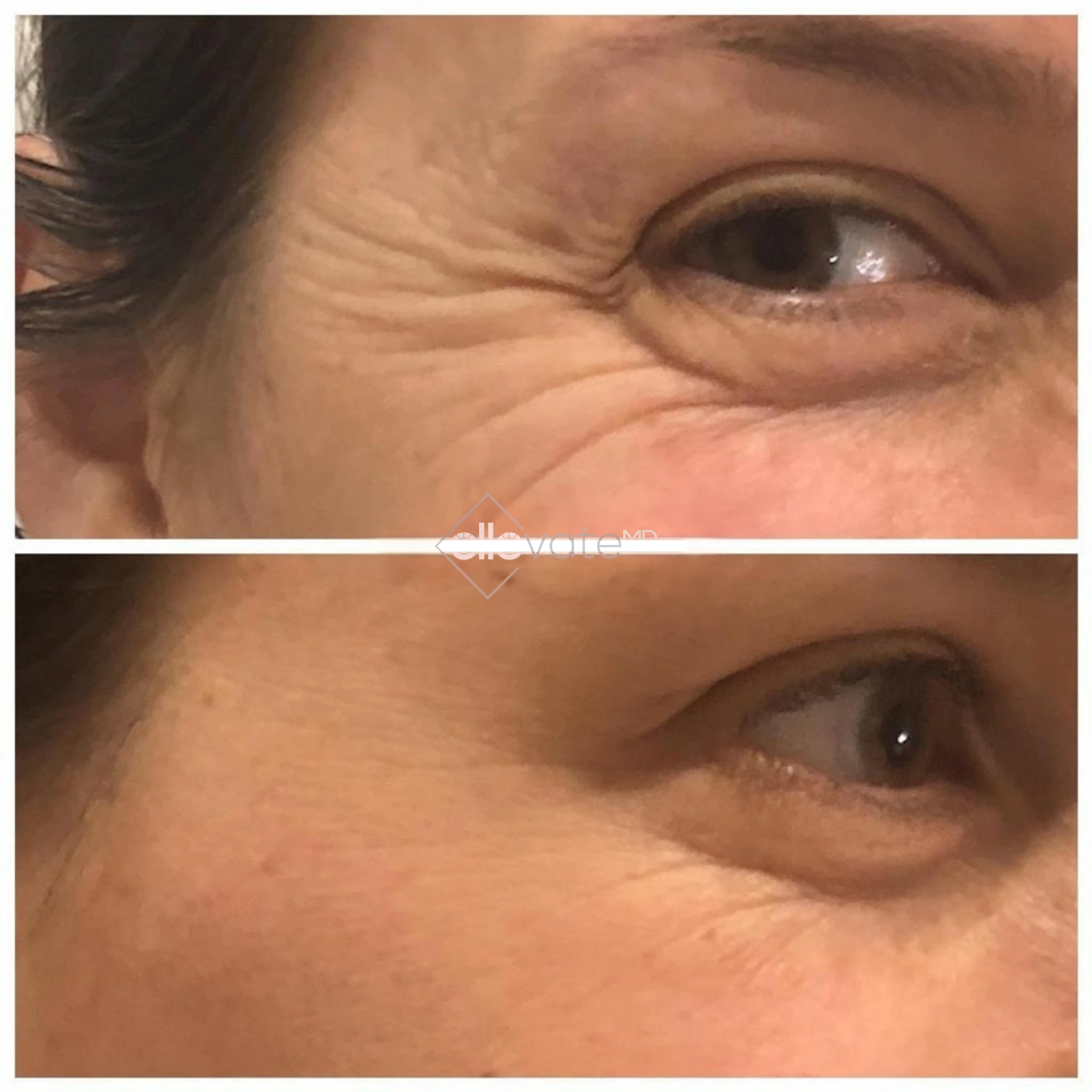
Reducing fine lines and crepey skin around the eyes
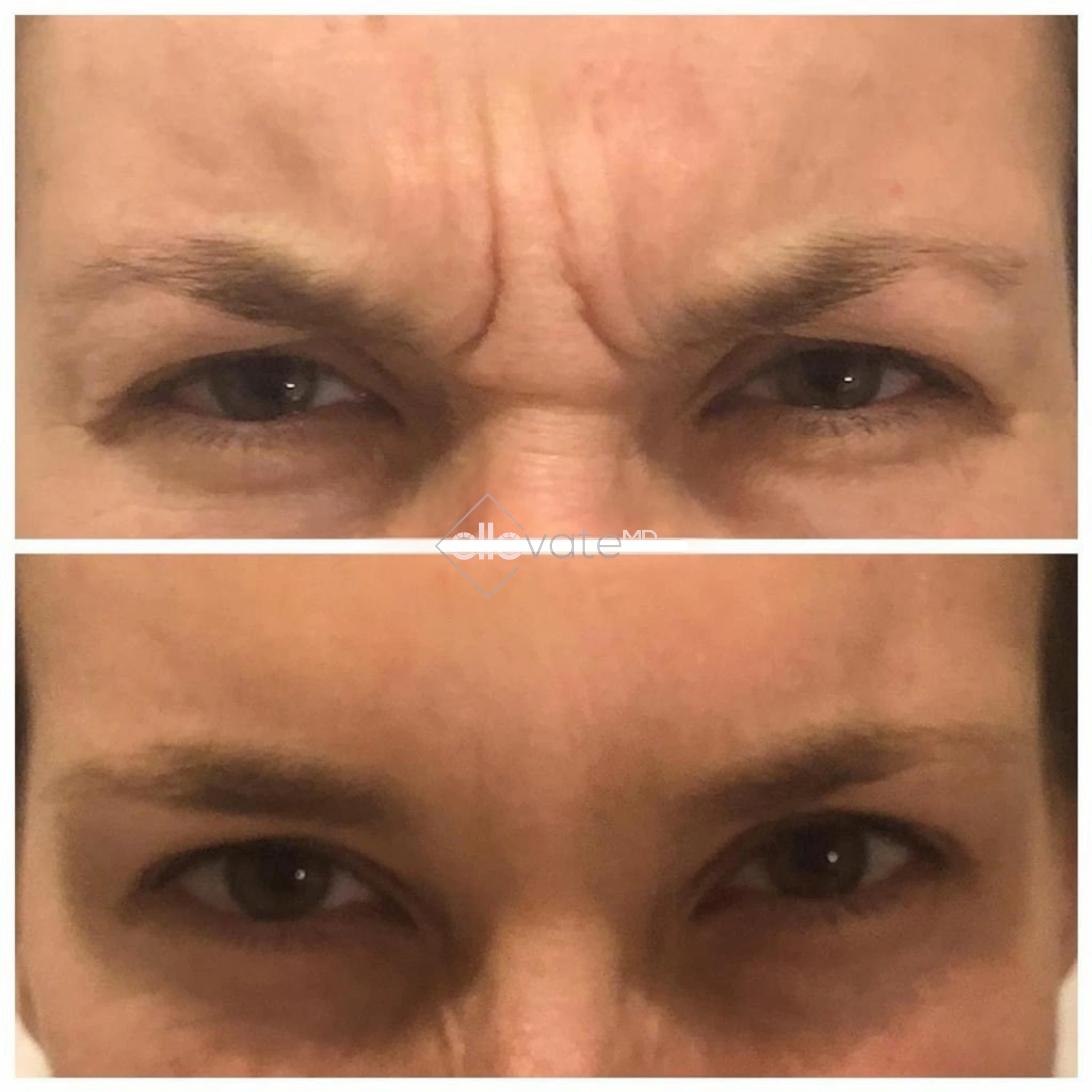
Creating a more rested, refreshed look without an “operated on” appearance
This is where treatments like the upper blepharoplasty and lower blepharoplasty come in. These procedures aren’t correcting a medical problem, so insurance won’t cover them, but they’re often quicker, more predictable in recovery, and fully customizable to your goals since there’s no visual field standard to meet.
Plenty of patients land in a gray zone, and honestly, this is the most common scenario Dr. Jayaram sees. You might have enough excess skin to qualify as functional by insurance standards, while also wanting the aesthetic refinement that comes with a more tailored, cosmetic approach to the same surgery.
In these cases, one procedure often accomplishes both goals at once. The surgery removes the skin that’s blocking your vision, and because it’s performed with the same artistic eye used in purely cosmetic cases, you end up with a natural, well-proportioned result rather than just a “fixed” one. This is part of why choosing a fellowship-trained oculoplastic surgeon matters so much. The training that qualifies someone to treat functional eyelid conditions is the same training that produces subtle, balanced cosmetic outcomes.
A functional consultation will involve a bit more formal testing. Expect a visual field exam, standardized photos, and sometimes a letter to your insurance provider describing the findings.
A cosmetic consultation is more conversational: it’s a discussion about your goals, your facial anatomy, and what result will look natural on you specifically, without needing to prove anything to a third party.
Either way, the exam starts the same way, with a close look at your eyelid position, skin laxity, brow height, and how it all works together. That’s really the heart of oculoplastic surgery. It’s not just eyelid skin removal; it’s about understanding how the eyelids, brows, and surrounding tissue function as a single system.
Whether your case is functional, cosmetic, or a mix of both, the person performing the procedure matters more than the category it falls into. Oculoplastic surgeons train specifically in the delicate anatomy around the eyes, which is different from general plastic surgery training focused on the rest of the face and body. That specialization is what keeps functional results safe and vision-protective, and keeps cosmetic results looking soft and natural rather than overdone.
Dr. Ann Jayaram is a board-certified ophthalmologist and fellowship-trained oculofacial surgeon who has performed thousands of eyelid procedures, functional and cosmetic alike, at her Atherton, California, practice. Her in-office Signature Lid Lift takes about 30 minutes and is designed around exactly this principle: correct what needs correcting, and do it in a way that still looks like you.
If you’re not sure whether your eyelids are a functional concern, a cosmetic one, or both, that’s completely normal, and it’s exactly what a consultation is for. A few questions worth asking yourself before you book:
Does your vision improve when you lift the skin of your eyelid with a finger?
Are you compensating with your eyebrows or forehead throughout the day?
Is your main frustration how you look, how you see, or both?
Bring your honest answers to the consultation, and Dr. Jayaram’s team will handle the rest, from any necessary vision testing to mapping out a plan that fits your goals and, when applicable, your insurance coverage.
Ready to find out which category applies to you? Schedule a consultation with Dr. Jayaram to get a clear answer and a plan tailored to your eyes.