The most effective options are treatments that rebuild collagen, such as RF microneedling, Fraxel laser resurfacing, Tixel, and Sofwave, sometimes paired with targeted injectables. When loose skin is severe or comes with under-eye bags, lower eyelid surgery may be the better path. At ellevateMD, Dr. Ann Jayaram, an oculoplastic surgeon who focuses on the eyelids, matches each patient to the option that fits their skin and goals.
Crepey skin looks thin, finely wrinkled and loose, much like crepe paper. Under-eye skin is among the thinnest on the body, so it shows these changes early. The main causes are collagen loss, sun damage, repeated facial movement and dehydration. Rubbing the eyes and smoking can speed the process.
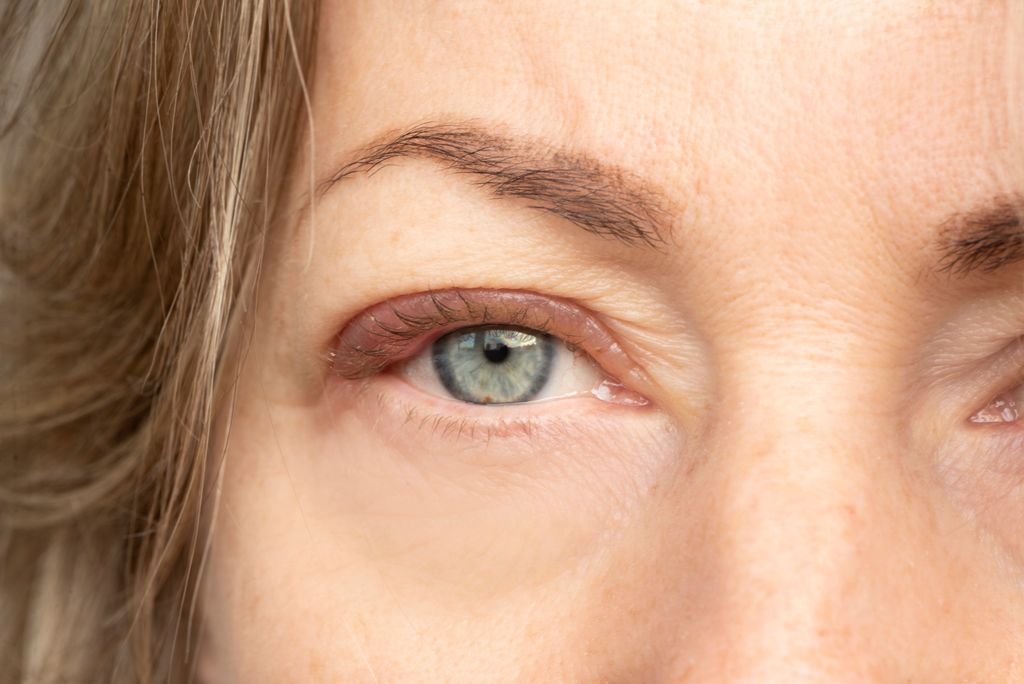
Collagen and elastin give skin its firmness and bounce. The body makes less of both with each passing decade. As support fades, the thin skin under the eyes starts to fold and wrinkle with every smile and squint. Years of sun exposure add to the breakdown. Over time, fine creases can turn into deeper wrinkling and visible laxity.
Daily habits can slow these changes:
Wear a broad-spectrum sunscreen and sunglasses every day.
Use a gentle eye cream with hydrating ingredients.
Avoid rubbing or pulling at the eye area.
Get enough sleep and stay hydrated.
Avoid smoking.
Medical-grade products can support results from in-office care. We carry skincare and SkinMedica products for daily use.
RF microneedling combines tiny needles with radiofrequency energy. The needles create small, controlled channels in the skin. The energy heats the deeper layers. Together, they prompt the body to build new collagen. As that collagen forms, under-eye skin becomes thicker, firmer and smoother. This option suits patients with mild to moderate crepiness who want gradual, natural change.
Traditional microneedling uses fine needles without heat. The small injuries trigger the skin’s repair response, which leads to new collagen over the following weeks. It can improve texture and fine lines. For the under-eye area, many patients see more tightening when heat energy is added. That is why RF microneedling is often the stronger choice for crepey skin.
Fraxel laser treats a fraction of the skin at a time. It leaves healthy tissue between each treated zone, which helps the skin heal faster. The laser smooths texture, softens fine lines and improves sun damage and pigmentation. Dr. Jayaram uses a high-power technique for crow’s feet. Our ellevate Fraxel Eye Strip targets fine lines and wrinkles directly under the eyes. Patients should plan for one week completely out of the sun afterward. During that week, they feel fine, but their skin is freshly lasered.
Sofwave is an FDA-cleared, non-invasive treatment that works by stimulating natural collagen. It lifts and firms without needles or incisions. Tixel uses heat to renew the skin’s surface and encourage collagen growth. Both suit patients who want firmer skin around the eyes with little interruption to daily life. Dr. Jayaram may combine them with other treatments for a fuller result.
Polynucleotides and skin boosters are injected in very small amounts to hydrate and support thin skin. Their goal is better skin quality rather than added volume. These options are still newer in aesthetic medicine. They are usually discussed as part of a broader plan rather than as a first step. For hollowing under the eyes, Fillers are another option we offer. Filler placement near the eyes calls for precision, and Dr. Jayaram also corrects filler that has been placed poorly.
Botox relaxes the muscles that cause crow’s feet and lines that form when you smile or squint. It does not rebuild collagen, so it will not fully correct crepey skin on its own. It works well alongside laser or RF treatments. Relaxing the muscle reduces repeated folding while the skin rebuilds.
If you are still asking, “What Are the Treatments for Crepey Skin Under the Eyes?”, the answer depends on three things.
Skin type. Some treatments carry different considerations for darker or more sensitive skin. Your skin tone helps guide the choice of device and settings.
Severity. Fine crepiness often responds well to Fraxel, RF microneedling or Tixel. Moderate laxity may call for a combination plan. Severe loose skin or bulging fat pads usually need a surgical approach, such as Lower eyelid or eye bag removal. Lower Blepharoplasty has different techniques based on each patient’s needs.
Goals and downtime. Some patients want gradual change with little recovery. Others prefer one larger step. Your schedule and expectations shape the plan.
Many patients see better results by combining treatments. A common pairing is Botox to relax movement with a resurfacing or RF treatment to rebuild collagen.
Dr. Ann Jayaram is a board-certified, Stanford-educated and Northwestern-trained oculoplastic surgeon. She has performed over 7,000 procedures. Her work centers on the eyelids, so she evaluates the full eye area rather than skin texture alone. She looks at skin thickness, fat pads, muscle movement, pigmentation and eyelid position. Her focus is precision and comfort. Her goal is a natural result that looks like you, only more rested.
A consultation is where your plan takes shape. Dr. Jayaram reviews your concerns, examines the under-eye area and explains which options fit your skin. She will be honest about what each treatment can achieve. You will leave knowing whether non-surgical care, injectables or eyelid surgery matches your goals. You can learn more Dr. Jayaram before your visit.
What Are the Treatments for Crepey Skin Under the Eyes? Collagen-building treatments such as RF microneedling, Fraxel laser, Sofwave and Tixel are the foundation of most plans. Botox and fillers can add support. When skin laxity or eye bags are significant, lower eyelid surgery may offer the clearest improvement. A personal evaluation with Dr. Ann Jayaram is the surest way to find the right approach for your eyes.