What to Do if You Are Unhappy with Blepharoplasty Results

What to Do if You Are Unhappy with Blepharoplasty Results

Table of contents
1.
What Is Blepharoplasty?
2.
3.
4.
How Long to Wait Before Assessing
5.
6.
Choosing the Right Surgeon for Revision
7.
8.
9.
What Is Blepharoplasty?
Blepharoplasty, or eyelid surgery, improves the appearance of the upper lids, lower lids, or both.
Upper blepharoplasty addresses heavy lids, drooping skin, and puffiness above the eyes.
Lower blepharoplasty targets under-eye bags and loose skin.
Dr. Ann Jayaram’s signature technique – the Ellevate Lid Lift – is a 30-minute, in-office upper eyelid procedure performed under local anesthesia while you stay awake, developed to deliver subtle, natural-looking results.
Common Reasons for Dissatisfaction After Eyelid Surgery
Aesthetic Concerns (Asymmetry, Scarring, Over- or Under-Correction)
Common complaints include:
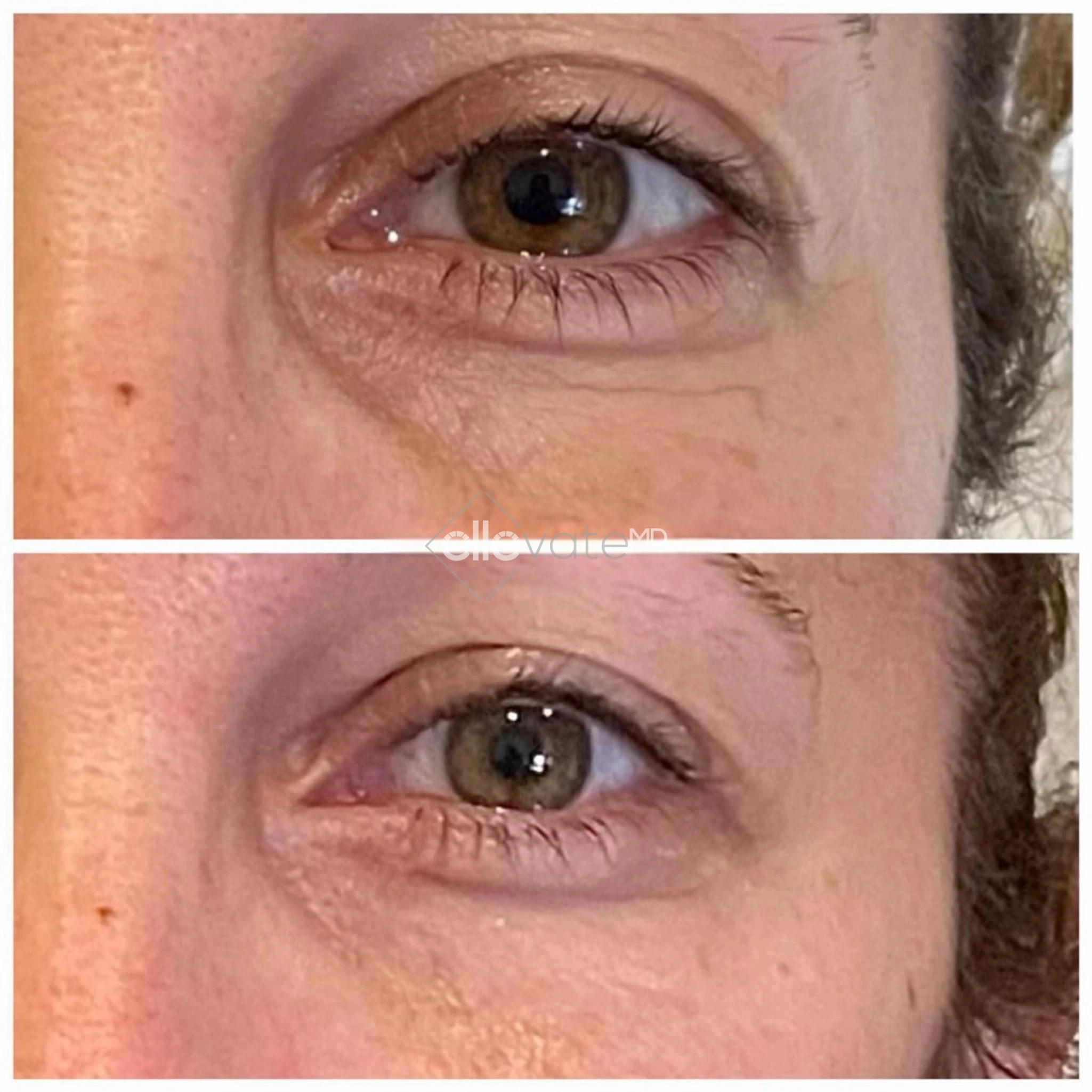
Lids that look uneven, or a crease that sits higher on one side
A result that feels too subtle (under-correction) or skin that still appears heavy
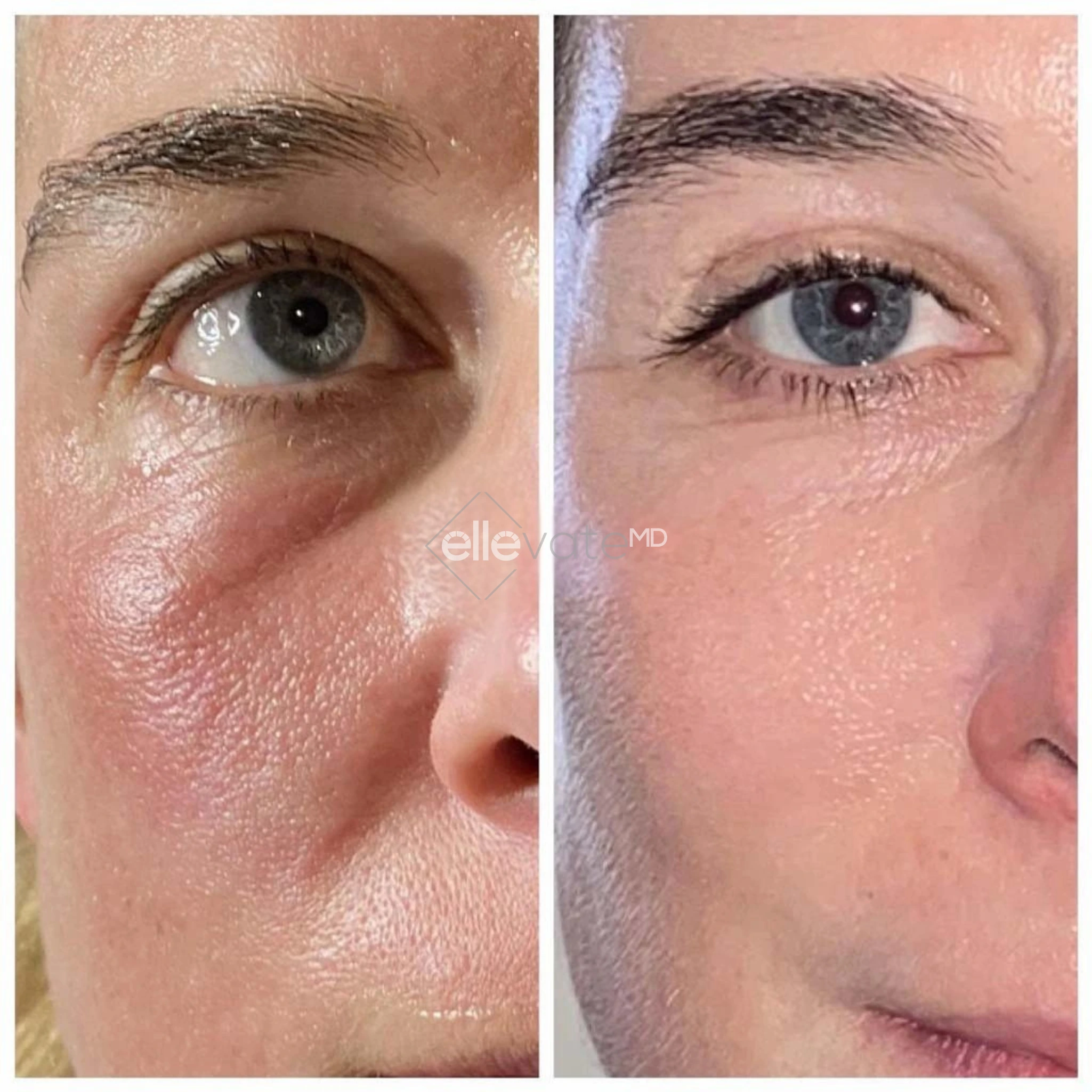
Over-correction, where too much skin was removed, leaving a hollowed look
A firm, pink incision line during the months it takes for scars to fade and flatten
Brow position – not the eyelid itself – making the eyes look tired
Natural asymmetry that existed before surgery often becomes more noticeable afterward, which is why Dr. Jayaram offers a dedicated evaluation of eye asymmetry.
Functional Issues (Discomfort, Dryness, Vision Changes)
Dryness, grittiness, or temporary sensitivity to wind and screens are common during healing, since the eye’s surface needs time to readjust. Blurry moments from ointment are also expected early on.
Other patients report tightness that makes it difficult to close the eyes completely. These sensations usually settle – but if any discomfort or vision change persists or worsens, call your surgeon promptly rather than waiting for a scheduled visit.
Immediate Steps to Take If You Are Unhappy
Monitoring Healing and Managing Expectations
- Take a clear, front-facing photo in the same lighting once a week – patients are often surprised by how much changes between week two and week eight.
- Follow post-op instructions exactly and keep using cool compresses as directed.
- Stay patient: eyelid swelling is uneven, and one side almost always calms down before the other.
Communicating with Your Surgeon
Say something. Bring your photos, point to a mirror, and describe the specific thing that bothers you: “this lid sits lower,” “this crease is deeper,” “this area still looks puffy.” Vague dissatisfaction is hard to solve; a specific concern is actionable.
Your first conversation should be with the surgeon who performed the procedure – they can tell you whether what you’re experiencing is normal recovery or something requiring attention. Dr. Ann Jayaram builds a one-month follow-up visit into the Ellevate Lid Lift process, and any agreed-upon adjustment at that visit is part of the plan.
How Long to Wait Before Assessing Final Results
Upper eyelids: give it three to six months.
Lower lids: allow six months or longer – that area holds fluid the longest.
Scar maturation: can take up to a year.
Most surgeons agree you should wait at least six months, and ideally up to a year, before considering any revision.
Signs You Should Consult a Specialist
Consider an outside evaluation if:
One lid stays visibly higher or lower past six months
Your eyes look hollow or overly tightened
Hooding was left behind and never improved
You have significant functional problems
You were never satisfied at any point in healing
Knowing what to do if you are unhappy with blepharoplasty results starts with an accurate diagnosis of why the result looks the way it does.
Options for Correcting Unsatisfactory Blepharoplasty Results
Non-Surgical Treatments (Injectables, Lasers)
Not every correction requires the operating room.
Dermal fillers: soften hollowness and contour irregularity under the eyes, camouflage minor irregularities, and improve symmetry.
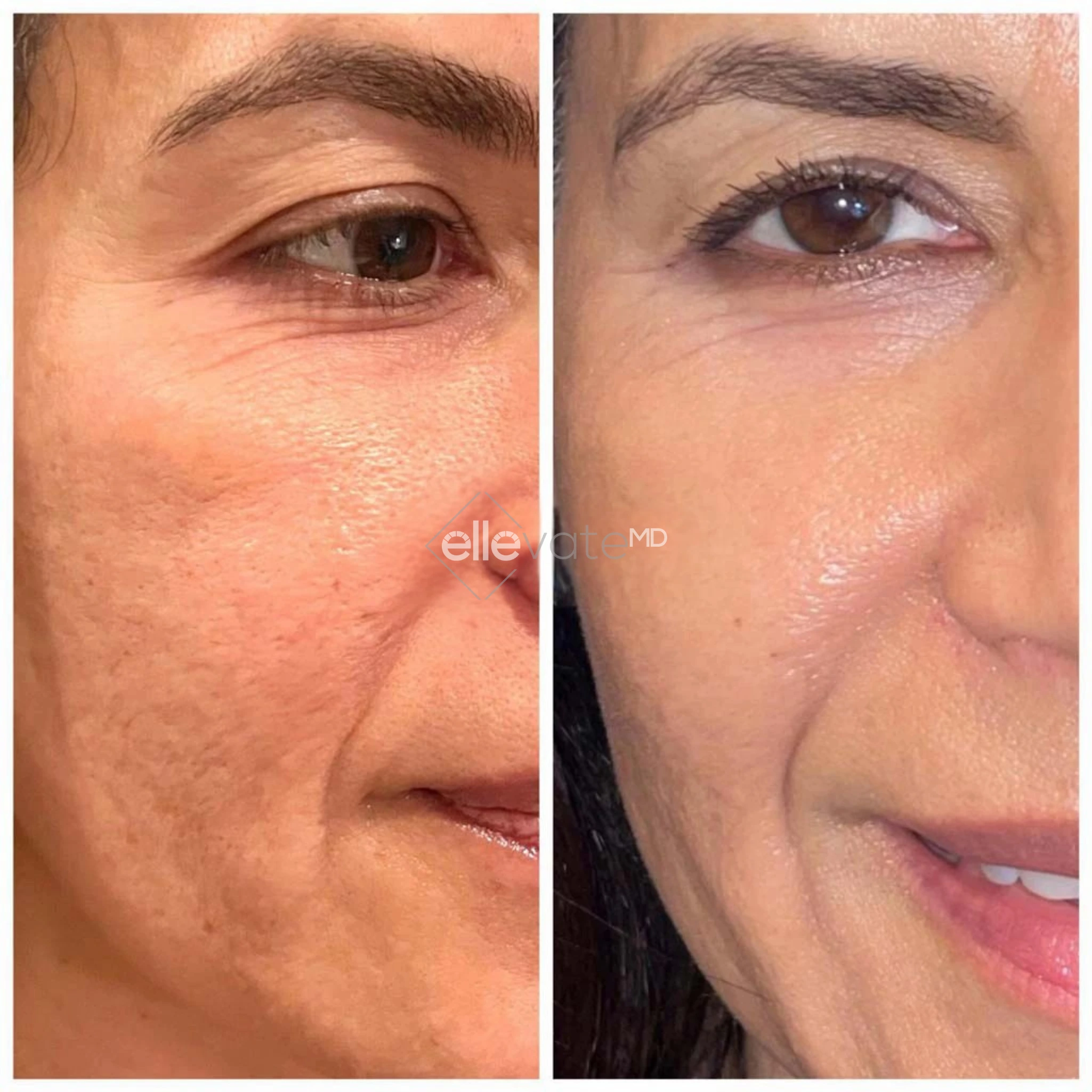
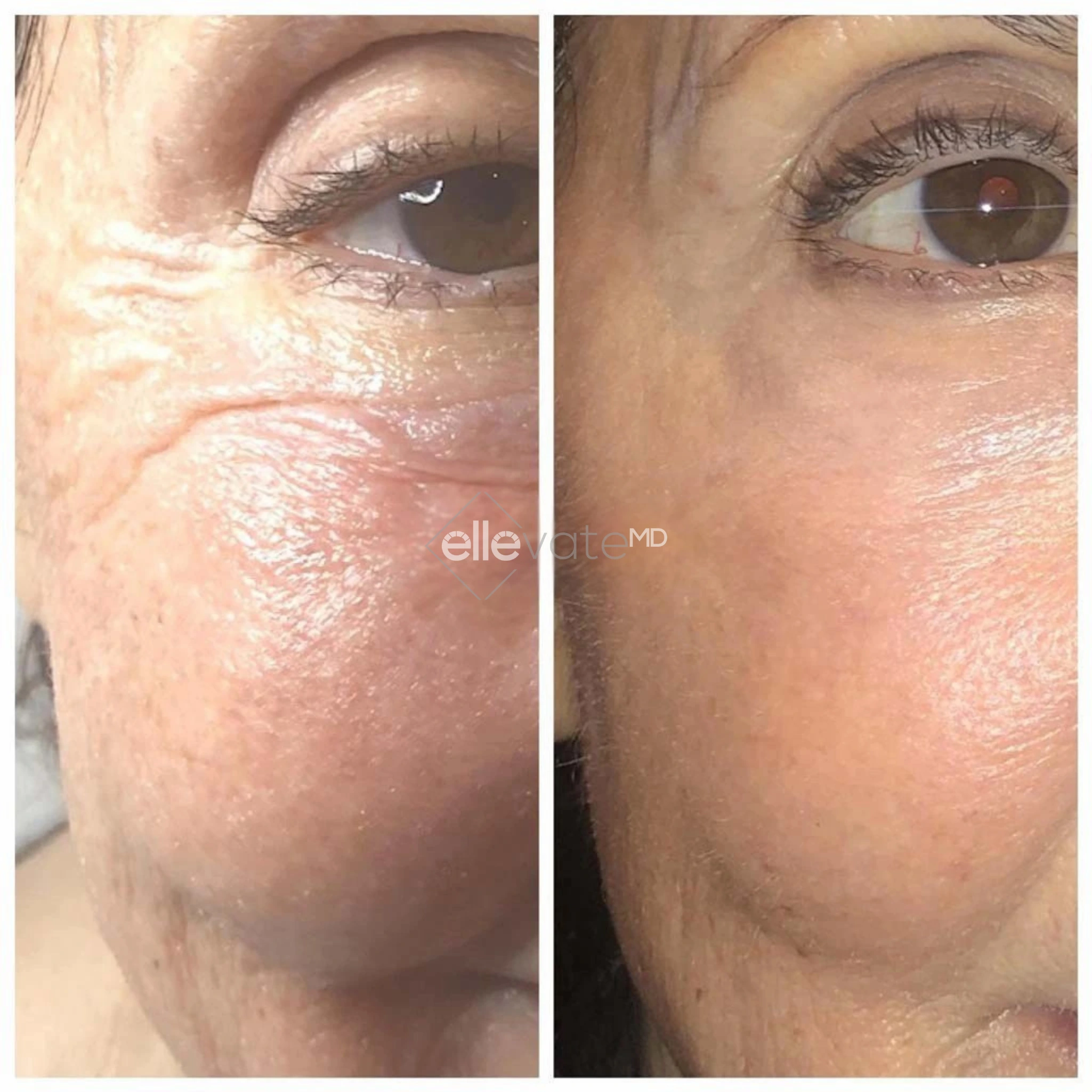
Fraxel Laser, Tixel, RF Microneedling, Sofwave: improve skin texture and pigmentation, reduce the appearance of scars, and tighten crepey lid skin.
Botox: rebalances brow position and softens crow’s feet.
Revision or Secondary Eyelid Surgery
A revision – or a procedure such as canthopexy – may be recommended when skin was left behind, when a crease needs repositioning, when ptosis was never addressed, or when lower lid support has loosened.
Revision surgery demands a surgeon comfortable operating in already-treated tissue, with deep expertise in eyelid anatomy and aesthetics. The goal is a more natural, balanced, and functional result.
Choosing the Right Surgeon for Revision
Choose a board-certified surgeon who specializes in eyelids. An oculoplastic surgeon has advanced training in both ophthalmology and plastic surgery of the eyes and surrounding structures – dual expertise that is critical in revision cases.
Dr. Ann Jayaram is a board-certified oculoplastic surgeon whose practice is devoted to eyelids, with more than 7,000 procedures performed. That single-focus experience matters most in revision work, where the margin for error is measured in millimeters.
What to Ask During a Consultation
What specifically caused my current appearance?
Is the fix surgical or non-surgical?
How long will healing take?
What result is realistically achievable?
How much experience do you have with revision cases like mine? Consultations at ellevateMD run 30 to 45 minutes, in person or virtually – though in-person is recommended so measurements can be taken accurately. Dr. Ann Jayaram’s approach focuses on precision and a refreshed, never “overdone,” look that feels true to each patient.
Coping with Dissatisfaction After Eyelid Surgery
Coping with dissatisfaction after eyelid surgery is real, and you’re looking at the affected area every time you brush your teeth. Give yourself permission to feel frustrated – then channel it into information. Solutions are available, and the journey to a result you love may simply have an extra step.
Support Resources
Lean on people who know you.
Limit obsessive mirror checks.
Replace worry with a plan and a date on the calendar.
Find a trusted medical partner who listens and clearly explains your options.
Next Steps: Scheduling a Consultation at ellevateMD
Understanding what to do if you are unhappy with blepharoplasty results almost always comes down to one appointment with the right specialist. Dr. Ann Jayaram will provide an honest, in-depth assessment and help you build a plan for the outcome you deserve.